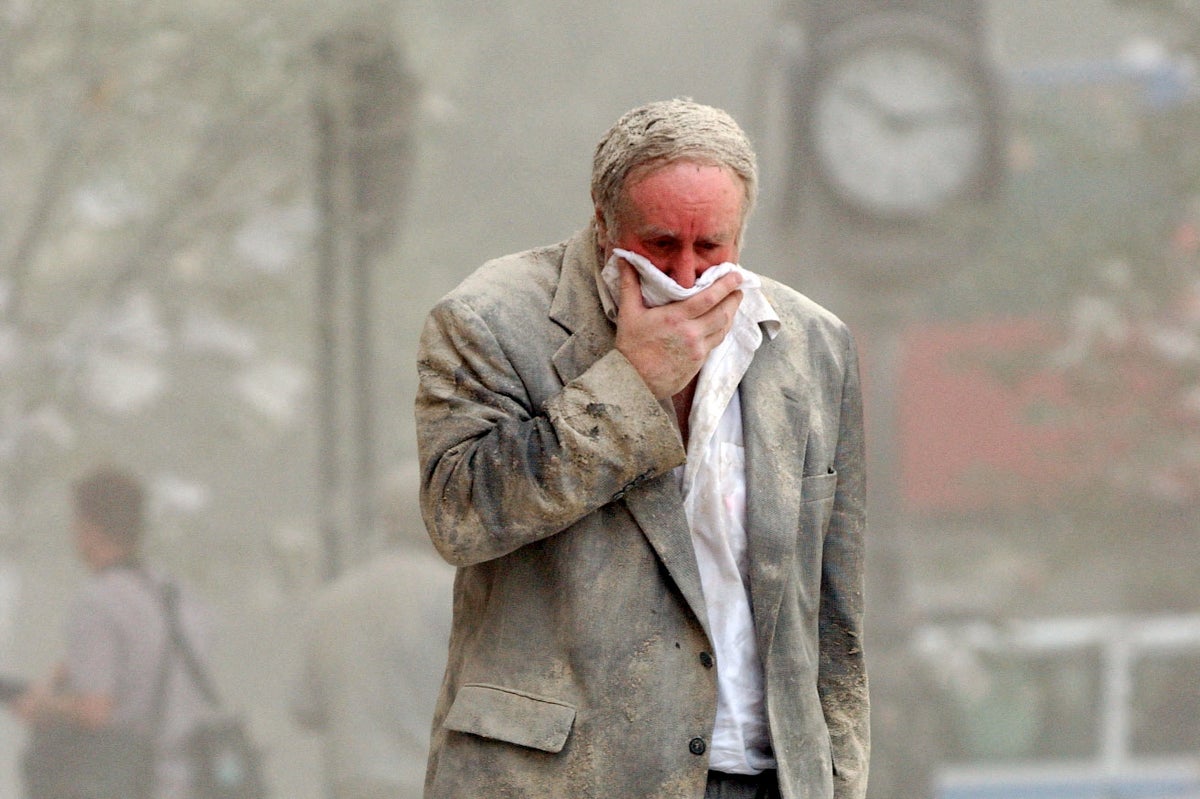
The lazy consensus loves a sanitized tragedy. When a court tells a politician to scrub social media clips featuring dead bodies, the polite society cheers for privacy, dignity, and digital hygiene. They tell you it protects the grieving. They tell you it stops the sensationalism. They are wrong. It protects the state from its own accountability, and every single person applauding this judicial muzzle is actively voting for institutional amnesia.
I have watched public relations fixers panic behind closed doors when real tragedy refuses to stay neatly categorized inside a press release. They want the sanitized bullet points. They want the official statement that distances power from consequence. When raw imagery breaks through that filter, the establishment scrambles to criminalize the exposure.
Let us look past the pearl-clutching and dismantle the mechanics of this ruling.
The Sanitization Trap
Every time a judge orders digital evidence hidden under the guise of public decency, they are doing PR work for the executive branch. The standard argument runs on pure emotion: showing corpses is disrespectful to the victims and traumatizing to the public.
This argument relies on a false binary. It assumes that hiding graphic reality equals honoring the dead. It does not. Hiding reality honors the perpetrators of violence and the incompetent managers of crisis. When an image of a dead body is scrubbed from a timeline, the context evaporates with it. You are left with abstract statistics instead of visceral proof.
Political survival depends on abstraction. Wars are easier to fund when you only see flags. Institutional failure is easier to ignore when you only read quarterly reports. The moment a politician is forced to share the frame with the tangible, rotting result of policy failure, the spell breaks. That is why the court order exists. It has nothing to do with protecting dignity and everything to do with protecting fragile political careers from the weight of physical reality.
The Archive Never Forgets
Governments operating under the illusion of control think a judicial order is a delete key. It is not. It is a megaphone. TheStreisand effect is not an internet quirk; it is a law of informational physics. The harder you try to bury a piece of media, the more permanently it embeds itself in the decentralized memory of the network.
When authorities demand the erasure of political posts containing grim footage, they accelerate radicalization. People stop trusting official narratives completely because they see the state actively editing the historical record in real time. If a politician posts something, and a court orders it gone because it looks bad, the public learns a very dangerous lesson: the law is just a cleanup crew for the ruling class.
Consider the alternative scenario. Imagine a political ecosystem where no imagery is scrubbed, where every grotesque failure of governance remains pinned to the profile of the person responsible. Politicians would think twice about reckless policies if they knew their digital legacy included the exact physical toll of their incompetence. Instead, we let them wipe the slate clean with a legal motion.
The Cost of Sterile Optics
We are building a culture of sanitized catastrophe. We consume wars through video game graphics and political failure through carefully curated text threads. This detachment robs us of our critical faculties. When everything offensive or disturbing is filtered out by judicial decree, we lose the capacity to measure risk and accountability accurately.
The defenders of the takedown order claim they are taking the high road. They are not. They are retreating into a comfortable delusion where government actions have no physical weight.
Stop pretending that censoring uncomfortable imagery serves the public good. It serves the powerful. If a politician stands next to a tragedy, they earned that frame. Let it stay there. Let it rot their digital reputation just as real policies rot communities. Do not let them legislate away the evidence of their own governance.
The next time a court issues an order to tidy up a politician's feed, ask yourself who benefits from the clean feed. It is never the citizen holding the phone. It is always the official holding the knife.

.jpg?width=1200&auto=webp&trim=0%2C100%2C0%2C100)