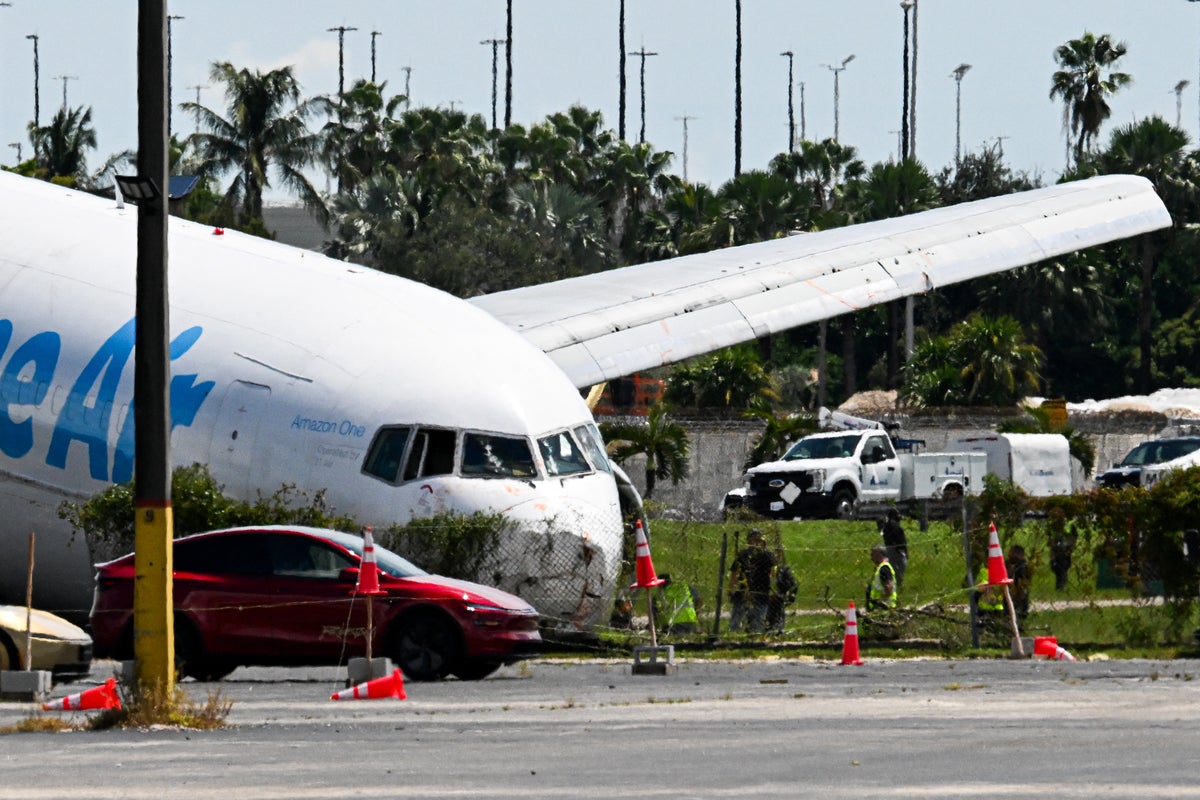
The convergence of high-speed digital communication and catastrophic physical events exposes a critical institutional vulnerability. When an Amazon-contracted cargo jet overran a runway at Miami International Airport, obliterating a ground vehicle and claiming multiple lives, the immediate aftermath revealed a profound breakdown in crisis information flow. Families do not learn of critical incidents through designated emergency services or institutional channels. Instead, they discover them via unverified social media fragments, news tickers, and the chilling silence of unread mobile messages. This dynamic represents a systemic failure of structural communication, turning the immediate post-accident window into a secondary psychological disaster for next-of-kin.
The Anatomy of Information Asymmetry
The lag between a mass casualty event occurring and official notification reaching families is governed by distinct operational bottlenecks.
- The Institutional Verification Loop: Emergency response agencies prioritize scene containment, triage, and data preservation over individual notification. Police, aviation authorities, and corporate contractors operate under strict protocols requiring absolute identity confirmation before public release. This creates a multi-hour void where names are withheld while speculation circulates freely on public networks.
- The Consumer Disintermediation Vector: Modern citizens maintain continuous connectivity via smartphones. When a routine transmission ceases—such as a commuter’s text message going unanswered following a known transit disaster—the individual's network initiates a localized panic response. Without an institutional buffer, family members attempt to bridge the gap using consumer-grade tools that are entirely unequipped for crisis verification.
- The Speed Differential of Digital Media: Broadcast media and digital aggregators operate on an attention economy that rewards speed over accuracy. Fragmented reports from airport perimeters bypass traditional notification hierarchies, ensuring that close relatives often receive news of fatalities from third-party social media posts or media crawls rather than municipal authorities.
The Cost Function of Institutional Silence
The absence of an immediate, controlled communication channel from employers or emergency responders imposes a heavy psychological and legal toll on affected families. When an aviation incident involves corporate contractors—such as the cleaning crew operating on the Miami tarmac—the chain of responsibility during a crisis remains dangerously fragmented.
The primary vector of trauma is not simply the loss itself, but the method of discovery. Discovering a spouse's death via digital media while attempting to deliver unread text messages breaks the fundamental social contract of institutional care. Employers and municipal entities possess primary data regarding who was deployed to an active zone. Failing to lock down communication channels or establish immediate next-of-kin protocols guarantees that families will ingest unvetted, traumatic data points from external sources.
This operational failure frequently translates into immediate legal friction. As demonstrated by the rapid filing of wrongful death litigation following the Miami disaster, the vacuum left by poor institutional communication is immediately filled by legal representation. When organizations fail to provide transparent, compassionate, and rapid accounting of personnel during a crisis, they forfeit narrative control and institutional trust simultaneously.
Reengineering Crisis Communication Protocols
To eliminate the information vacuum that forces families to learn of fatalities online, high-risk operational environments must overhaul their emergency response architectures.
Organizations deploying personnel near active aviation or industrial zones must maintain dynamic, real-time muster logs linked directly to automated family notification systems. These systems should bypass standard bureaucratic delays by deploying dedicated family liaison officers the moment an incident is logged, ensuring that human contact precedes digital discovery. Furthermore, municipal emergency services must establish secure, private portals for families seeking status updates during major incidents, replacing public news feeds with authenticated communication lines.
Deploy an encrypted, zero-lag personnel tracking matrix across all shifts in high-risk logistics hubs to ensure family notification protocols initiate automatically upon any operational disruption.
Widow files wrongful death lawsuit after Amazon cargo plane crash killed husband at Miami airport
This video provides direct coverage of the legal and institutional aftermath following the runway disaster in Miami, highlighting the immediate accountability challenges faced by families of victims.