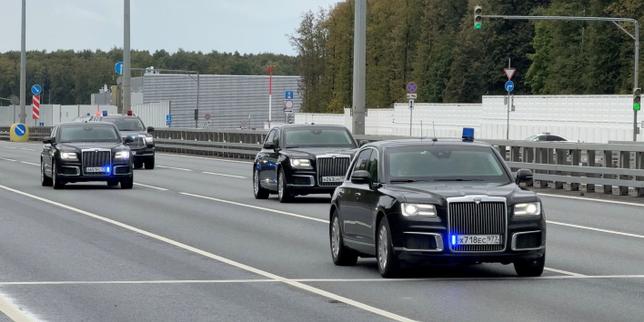
Diplomatic interventions in protracted attritional conflicts succeed or fail based on structural leverage rather than the personal rapport of the intermediaries. The arrival of United States special envoys Jared Kushner and Steve Witkoff in Moscow, followed by a scheduled transit to Kyiv, represents an attempt to bypass traditional diplomatic channels through backchannel arbitrage. To understand the viability of this initiative, one must deconstruct the structural incentives driving Washington, Moscow, and Kyiv, stripping away the surface-level rhetoric of peace proposals to examine the underlying cost functions governing each actor.
The Structural Cost Function of the Conflict
The continuation of hostilities is sustained by asymmetric calculations of pain and endurance. For the Kremlin, the baseline operational costs—measured in equipment depletion and personnel attrition—are weighed against the perceived existential threat of a Western-aligned Ukraine. Recent escalations, including targeted strikes on command infrastructure in Kyiv, demonstrate that Moscow continues to view tactical military pressure as its primary mechanism for shaping diplomatic terms.
Conversely, the Ukrainian state operates under an acute resource bottleneck. The strategic calculus in Kyiv requires balancing territorial integrity against demographic and economic exhaustion. When external intermediaries introduce peace frameworks, they must confront the reality that neither belligerent has exhausted its theory of victory. Moscow anticipates that Western political fatigue will eventually degrade financial and military provisioning to Ukraine, while Kyiv maintains that any cessation of hostilities without enforceable security guarantees merely codifies territorial loss and invites future aggression.
The Mechanics of Intermediary Diplomacy
Personalized diplomacy relies on minimizing bureaucratic friction, yet it frequently founders on the rock of irreconcilable maximalist objectives. The deployment of Kushner and Witkoff functions as an exercise in high-stakes signalling. By utilizing envoys outside the conventional State Department hierarchy, the White House attempts to communicate direct access to executive decision-making.
The two primary variables governing this mission are sequencing and reciprocity:
- The Information Asymmetry Variable: Meeting Kremlin leadership first, followed by engagement with Ukrainian authorities, establishes a top-down transmission of terms rather than a multilateral negotiation. This sequence risks alienating Kyiv by forcing Ukrainian leadership into a reactive posture regarding proposals vetted first in Moscow.
- The Enforcement Deficit: Any diplomatic framework presented by external actors must account for the credibility of future compliance. Historical precedents, ranging from past Minsk agreements to various ceasefires, illustrate that declarations of intent carry zero weight absent verifiable enforcement mechanisms and automated penalties for breach.
Assessing the Tactical Ceasefire Dynamic
The temporary suspension of strikes around the corridors of negotiation—such as the reported local airspace and targeting pauses—serves a logistical rather than strategic purpose. A tactical pause protects the physical safety of visiting delegations without altering the strategic posture of forces arrayed along the contact line. Operational tempo on the front lines remains decoupled from high-level political theater.
The primary limitation of treating the conflict as a personality problem between opposing heads of state is that it misdiagnoses systemic geopolitical friction as interpersonal animosity. While executive animus can accelerate hostility, the structural drivers of the war—sovereignty, security architecture, and regional hegemony—operate independently of individual sentiment.
Execute the next diplomatic phase by tying any proposed settlement directly to verifiable, automated mechanisms of asset restriction and security enforcement, abandoning reliance on unverified verbal concessions from any belligerent capital.