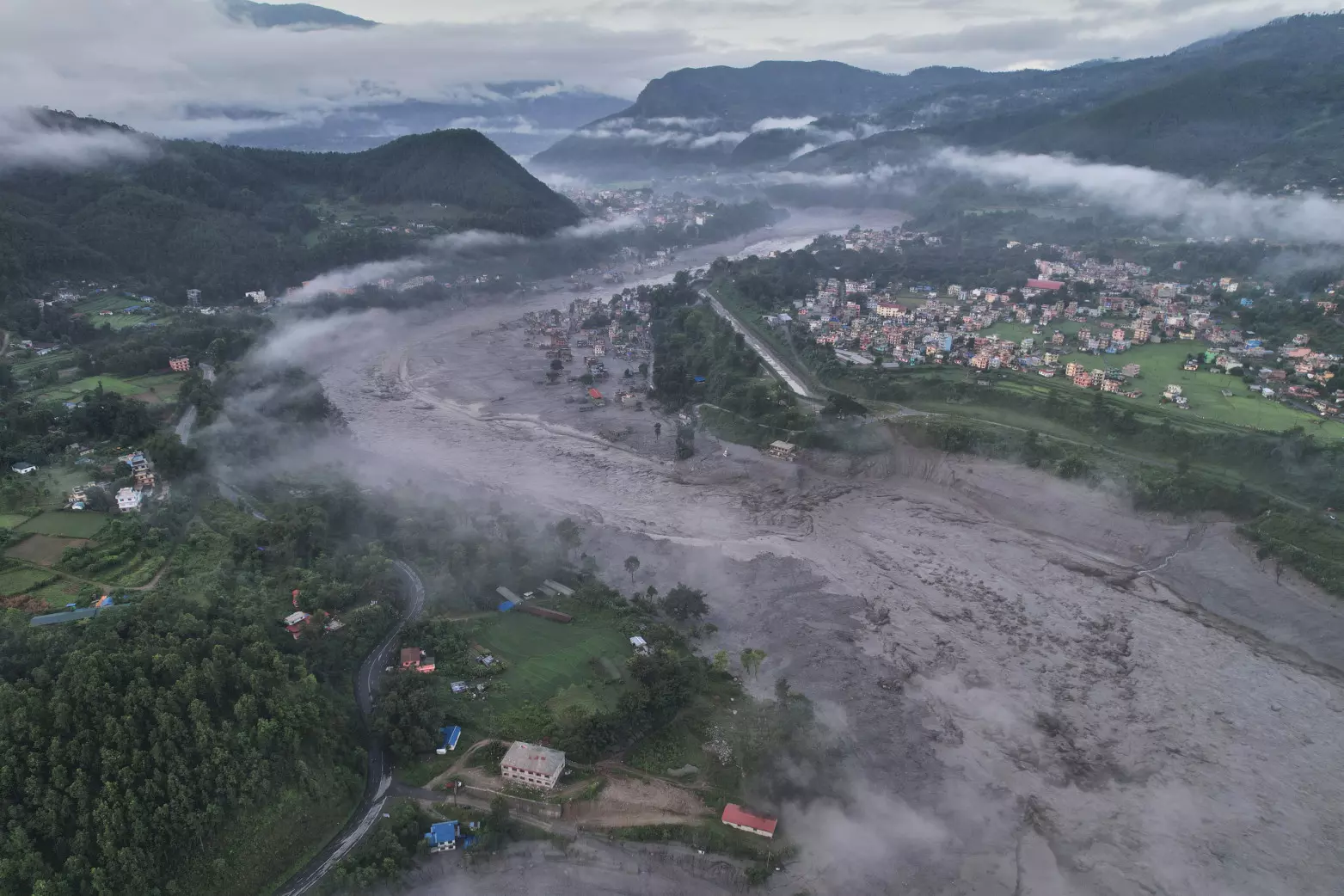
Catastrophic flash floods and landslides have upended lives across the Himalayas, leaving a staggering death toll that has climbed past 1,300 people. Triggered by severe weather and glacial instability near the border, walls of mud, ice, and rock tore through mountain valleys, wiping out roads, power grids, and suspension bridges. When ground access vanishes overnight, conventional disaster response fails. That is why the Nepalese Army has drastically scaled up its Humanitarian Assistance and Disaster Relief operations, deploying roughly 20 helicopters and engineering units to punch through the isolation.
If you are wondering how rescue teams reach communities completely cut off from the map, the answer lies in a dual-pronged approach of airborne logistics and heavy field engineering. In districts like Nuwakot and Rasuwa, military engineering units are actively rigging rope bridges over raging waterways like the Tadi River to restore foot and ground connectivity. At the same time, an estimated 20 rotary-wing aircraft—combining military muscle and private sector fleets—are flying hazardous sorties through tight, mist-choked valleys. Pilots face constant turbulence, unpredictable mountain winds, and a severe shortage of functional helipads. If you found value in this article, you should check out: this related article.
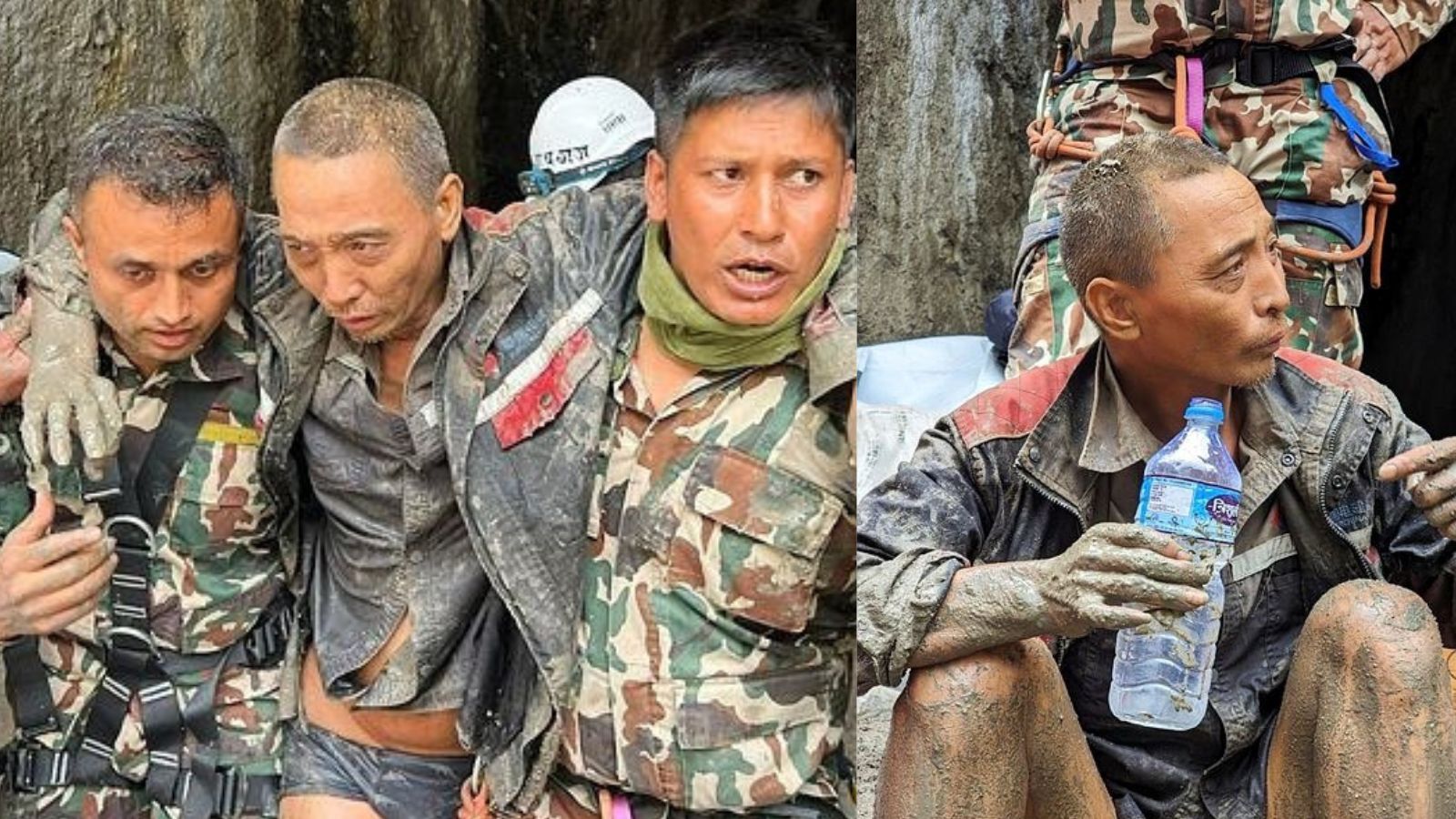
The crisis goes far beyond surface-level destruction. One of the most harrowing aspects of this disaster involves workers trapped deep inside subterranean infrastructure. Following the deluge, multiple hydropower tunnels—including sites at Chilime and Trishuli 3A—were choked with water, debris, and mud. Specialist teams, including cross-border technical assistance from Indian tunnel rescue experts, have been working hand-in-hand with local security forces to pump out flooded shafts and clear blocked passages. Miracles do happen in the rubble; search teams successfully located and evacuated survivors from deep inside the Trishuli 3A tunnel days after the initial collapse, proving that persistence pays off even when odds look grim.
Coordinating a response of this magnitude requires immense resources. The Prime Minister Disaster Relief Fund has seen massive contributions, pulling in billions of rupees as the nation rallies to support displaced families. Medical camps have popped up near major operational hubs to handle acute health risks, treat injuries, and distribute basic supplies to people who lost everything. For another angle on this story, see the recent update from The Guardian.
Recovering from a disaster of this scale will take years, not months. Infrastructure needs a complete redesign to withstand aggressive cryosphere hazards amplified by shifting global climate patterns. For now, every completed rope bridge and successful aerial drop represents a lifeline for communities refusing to stay broken.
If you want to support relief efforts directly, check out verified channels contributing to the Prime Minister Disaster Relief Fund or international aid organizations operating on the ground in Nepal.
Nepal army launches helicopter rescue after deadly floods
This video shows raw footage of military helicopter rescues operating in the treacherous terrain along the border.