Holding a democratic vote while ballistic missiles smash into your power grid sounds impossible, because it is. Yet international pressure keeps mounting on Ukrainian leadership to organize a national ballot right in the middle of an active, brutal invasion.
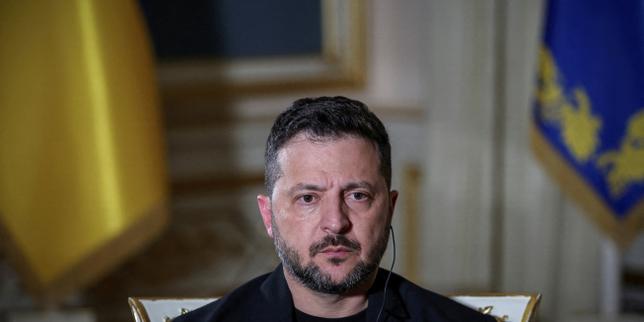
President Volodymyr Zelenskyy recently drew a hard line in an interview with ABC News, stating plainly that Ukraine can and will organize national elections, but only if Russia agrees to a complete sixty-day ceasefire. If you've been wondering why wartime voting hasn't happened yet, the answer comes down to basic logistics, physical safety, and the stark reality of millions of displaced citizens.
The Logistics of Voting Under Fire
Running an election isn't just dropping paper into boxes. It takes months of open campaigning, secure transport of ballots, functional municipal infrastructure, and guaranteed safety for voters standing in lines.
When a country faces relentless nightly bombardments targeting civilian power lines, water stations, and transit hubs, normal civic life stops. Zelenskyy pointed out that Russian forces had attacked Ukrainian energy infrastructure hundreds of times. Asking millions of refugees abroad and soldiers hunkered down in frontline trenches to cast a secure vote while air raid sirens wail is a fantasy.
A sixty-day pause gives election administrators a tiny window to build safety frameworks, allow candidates to campaign without getting shelled, and bring some semblance of stability to a shattered country. Without that halt in hostilities, any vote would be a chaotic, compromised sham.
Navigating International Pressure and Domestic Survival
External pressure from Western partners has added immense friction to Kyiv's political landscape. Critics sometimes argue that wartime leadership should pivot to democratic renewals regardless of the bombs falling overhead.
Zelenskyy has repeatedly made it clear that he isn't clinging to power out of ego, but rather out of necessity. Under Ukrainian law, holding presidential and parliamentary elections is prohibited while martial law remains active. Changing that law requires safety guarantees that only a real ceasefire can buy.
Moscow wants political instability in Kyiv. The Kremlin understands that forcing a rushed election during an active invasion creates deep internal fractures, making it easier to manipulate outcomes or install compliant leadership. By demanding a verified sixty-day truce, Zelenskyy shifts the burden back onto Russian President Vladimir Putin. If Moscow truly wants a political process, they have to stop shooting long enough for actual voters to step outside.
What Needs to Happen Next
If international mediators actually want to see democratic renewal in Ukraine, they cannot simply demand that Kyiv hold a vote under fire. They have to enforce the conditions that make voting possible.
The path forward requires pressuring the Kremlin into an enforceable, monitored cessation of hostilities. Real security must precede any ballot boxes. Until the shelling stops and the lights stay on across Ukrainian cities, political talk remains secondary to the daily fight for sheer survival.
Q&A: President Zelenskyy Says A 60-Day Ceasefire Could Pave The Way For Ukraine Elections
Why Zelenskiy Wants a 60-Day Ceasefire Before Ukraine Holds Elections
news
Democracy during wartime sounds noble on paper. On the ground, it is a logistical nightmare wrapped in a security catastrophe. When Ukrainian President Volodymyr Zelenskiy told ABC News he would organize national elections if Russia agreed to a 60-day ceasefire, he wasn't just tossing out a hypothetical condition. He was drawing a hard line through the center of an impossible debate.
Western allies keep pushing Kyiv to hold democratic votes to prove its legitimacy. Meanwhile, Russian bombs fall daily, millions of citizens live abroad as refugees, and tens of thousands of active-duty soldiers sit in freezing trenches along the eastern front. How do you hand a ballot to a guy dodging artillery? You don't. That is why Zelenskiy's proposal shifts the entire burden back onto Moscow. It exposes a simple truth. Russia wants a fractured Ukraine, but any genuine democratic process requires a pause in the killing.
The Logistics of Voting Under Fire
Holding an election isn't just about printing ballot papers and opening schools on a Sunday morning. It requires infrastructure, physical safety, and freedom of movement. Right now, Ukraine has none of those things guaranteed.
Think about the sheer displacement. Over six million Ukrainians are scattered across Europe and beyond. Millions more are internally displaced within western and central provinces, having fled the occupied or heavily shelled zones in the east and south. A functional vote means creating overseas polling stations capable of handling millions of voters, securing digital registries against relentless Russian cyberattacks, and ensuring observers can travel safely without becoming targets.
Then you have the soldiers. The men and women holding the line against invading forces cannot simply walk off their positions to visit a local community center. If you exclude the military, the election loses its moral core. If you keep them in the trenches, democracy becomes an exclusive club for those lucky enough not to be on the front lines. A 60-day window is the absolute minimum required to even begin untangling this administrative mess.
Why Western Pressure Misses the Reality
Washington and European capitals love deadlines. Bureaucrats sitting in comfortable offices thousands of miles away look at the calendar, see that presidential and parliamentary terms have technically stretched past their original mandates under martial law, and start sweating about democratic optics.
They worry about Russian propaganda painting Kyiv as an autocracy. It is a valid concern, but it ignores the constitutional reality of Ukraine's state of emergency. Ukrainian law explicitly forbids holding national elections while martial law is active. The constitution was written to protect the nation from collapse during an invasion, not to provide talking points for foreign pundits.
Zelenskiy knows this game. By tying the election timeline directly to a verifiable 60-day ceasefire, he calls the bluff of anyone claiming Kyiv is dodging democracy. He is basically saying that if Moscow stops shooting long enough to let soldiers vote and refugees catch their breath, the ballot boxes open tomorrow. If Moscow keeps bombing, the blame for delayed democracy rests squarely on the Kremlin, where it belongs.
The Security Trap Behind a Ceasefire
A 60-day pause sounds peaceful, but military strategists know it is also a tactical breathing space. Wars don't just pause because politicians sign a piece of paper. Both sides use truces to regroup, resupply, and reposition forces.
If a temporary ceasefire takes effect, Russia would likely use those two months to fortify its defensive lines in Zaporizhzhia and the Donbas while trying to influence the upcoming campaign trail through covert operations, disinformation, and political interference. Ukraine's intelligence services would have to work overtime to stop domestic political parties from becoming Trojan horses for Moscow's interests during a compressed campaign season.
Elections are inherently divisive. They pit candidates against each other, resurrect old grievances, and fracture national unity. During peacetime, that friction is healthy. During an existential war, political infighting can prove fatal. Zelenskiy faces the terrifying prospect that opening the political floodgates could break the fragile internal consensus holding the country together against a much larger aggressor.
What Happens Next on the Ground
Don't expect ballots to drop anytime soon. Moscow has shown zero interest in honoring a 60-day ceasefire that doesn't involve total Ukrainian capitulation. Russian leadership prefers a perpetual state of conflict because it keeps pressure on Western supply chains and strains Ukraine's economy to its breaking point.
By laying down this condition, Kyiv has successfully reframed the conversation. The ball is now in Moscow's court. If international pressure mounts, the world has to demand that Russia stop the war, rather than demanding that Ukraine commit bureaucratic suicide while under attack. Until the shelling stops, the trenches remain the only polling place that matters.