The grass does not care about injunctions.
On a quiet stretch of green along the Potomac, roots drink whatever water reaches them. They spread, they thatch, they grow upward toward a indifferent sun, oblivious to the fact that their blades are currently the epicenter of a quiet, furious constitutional tug-of-war.
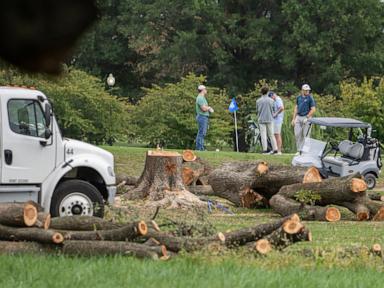
For decades, the historic golf course at East Potomac Park has functioned as a public sanctuary disguised as a sporting ground. Walk the fairways on an early Tuesday morning, and you will see it: a retired schoolteacher slicing a seven-iron toward a distant pin, a pair of joggers cutting across the cart path, the distant, majestic spike of the Washington Monument piercing a pale sky. It is municipal golf in its purest, most democratic form. Worn edges, patchy fairways, affordable greens fees, and a view that belongs to everyone and no one all at once.
Then come the directives from high above.
When federal power shifts, the physical geography of the capital often trembles. Buildings are repurposed, contracts are rewritten, and grand visions are imposed from mahogany-paneled offices miles away from the soil they seek to alter. In this instance, the administration set its sights on reshaping the historic grounds, intending to fast-track heavy construction and sweeping alterations that would fundamentally rewrite the character of the land.
Speed was the objective. Momentum was the strategy.
But concrete does not pour itself, and heavy machinery requires staging grounds. When administrative momentum collides with statutory friction, something has to give. Enter the federal judiciary—that slow, ponderous, paper-choked branch of government designed specifically to throw a heavy iron wrench into the gears of executive haste.
A federal judge stepped into the fray and issued a temporary halt, freezing work on the grounds for twenty-four hours.
Twenty-four hours. In the grand arc of federal infrastructure projects, a single day is a statistical blink. It is a drop of water in an open reservoir. Yet, in the theater of governance, a temporary restraining order is a flare fired into a dark sky. It forces a pause. It asks a simple, terrifying question of those who hold the keys to the bulldozers: By what authority?
Consider what happens next in these high-stakes administrative dramas.
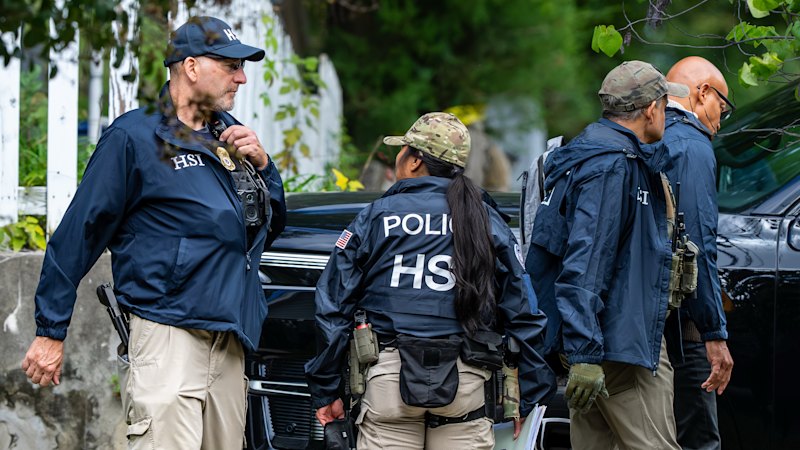
Behind closed doors, attorneys scramble. Phones buzz with urgent legal citations. Draft briefs are marked up with furious red ink at midnight. The conflict is ostensibly about turf management, historical preservation compliance, and procurement procedures. But beneath the dry legalese lies a deeper, more visceral battle over who gets to dictate the physical evolution of public space in America.
Public land is a finite resource. In
The Turf War Beneath the Monuments
news, lifestyle
The dirt beneath a golf course is rarely just dirt. In the capital of a superpower, every square inch of green grass carries the invisible weight of history, ego, and the federal machinery that grinds slowly across maps drawn a century ago.
Imagine walking out onto the manicured fairways of a historic Washington, D.C. golf course at dawn. The dew clings to the blades of Bermuda grass, and the distant silhouettes of federal monuments pierce the morning fog. For decades, this landscape has offered an escape, a quiet enclave where the powerful and the privileged chase little white balls across hills sculpted to mimic pastoral peace. But peace is a fragile illusion when a federal judge steps in with a gavel and a halting order.
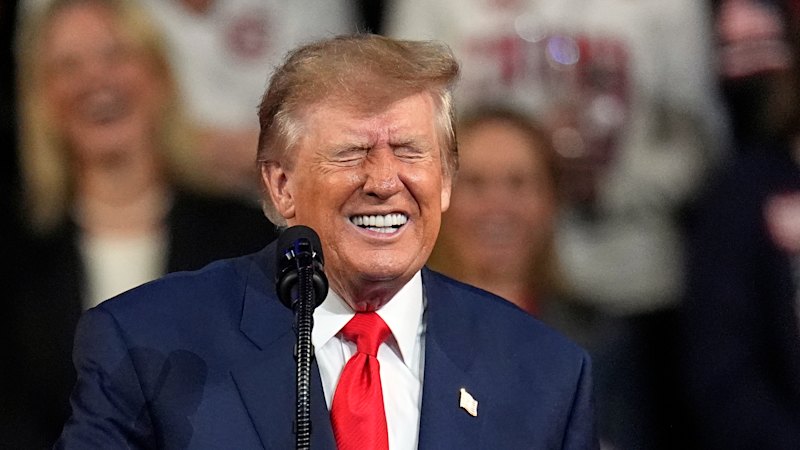
That is precisely what happened when a federal judge slammed the brakes on the Trump administration's plans to alter a historic D.C. golf course. One day. Just twenty-four hours of silence mandated by a court order. Yet, in the frantic ecosystem of federal land use, a single day can feel like an eternity. It represents a collision between executive ambition and the rigid, procedural guardrails of preservation laws.
Consider what happens next in a dispute of this magnitude. Lawyers rush to draft injunctions. Hardhats stop mid-swing on construction sites. Bulldozers idle, their diesel engines rumbling into silence, while bureaucrats and judges debate the fine print of federal stewardship.
The core of the conflict is deceptively simple: Who gets to shape the physical identity of the nation's capital?
When a administration seeks to reshape public-facing land—especially a historic property with deep ties to the city's recreational and cultural fabric—it triggers a labyrinth of environmental assessments, preservation mandates, and public trust doctrines. Critics argue that rushed alterations threaten the architectural and historical integrity of spaces designed to honor a specific civic vision. Defenders counter that modernization and dynamic management are essential to keep these spaces from sliding into decay.
Let us be honest about the underlying anxiety here. It is rarely about the grass itself. It is about control. Every federal park, every monument, and every stretch of green space in the District of Columbia is a physical manifestation of who holds power at any given moment. When a court halts work, even briefly, it acts as a constitutional speed bump, reminding the executive branch that its canvas is shared property, bounded by laws that predate current officeholders and will likely outlast them.
The gavel falls, and the machinery stalls. For twenty-four hours, the bulldozers wait. The golfers stay home. The city breathes a collective, complicated sigh, caught between the desire for progress and the heavy, protective arms of tradition.
History is written by the victors, but it is preserved by the cautious. And sometimes, the most powerful statement a court can make is simply telling the world to stop for a moment, look down at the soil, and remember who it truly belongs to.