History books love to talk about grand strategies, generals, and turning points. They rarely capture the guy at the back of the landing craft cracking jokes to keep the panic down. When veterans of the Second World War pass away, we lose living history. We also lose a specific brand of quiet resilience that modern life struggles to manufacture.
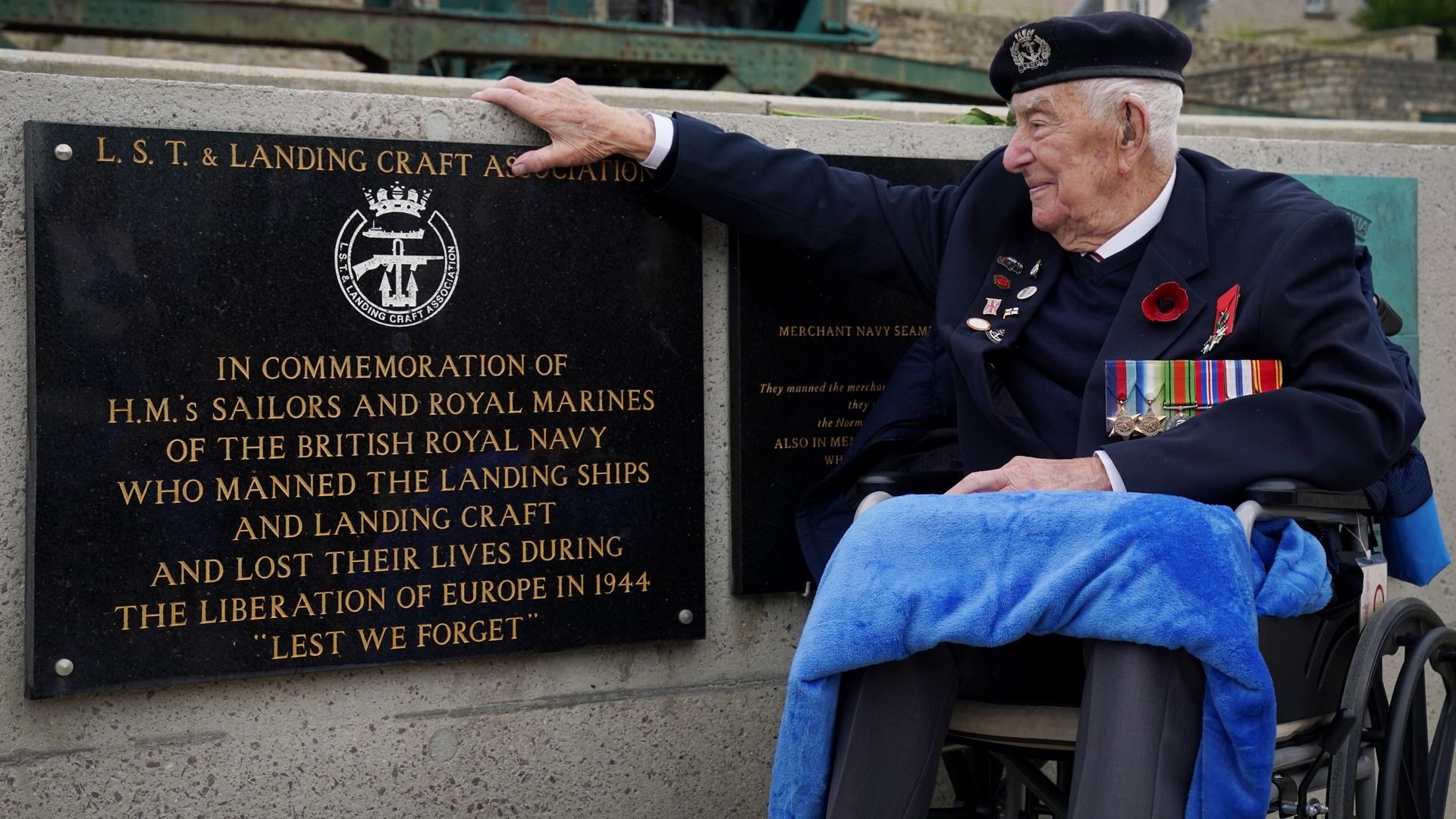
The recent passing of a remarkable D-Day veteran who reached the age of 100 marks another quiet closing of a monumental chapter. He was remembered by those who knew him best as a great character armed with an unforgettable cheeky smile. He did not ask for medals. He did not posture as a hero. He just lived his life, took the horrors of June 1944 in stride, and built a century of memories. For a closer look into this area, we suggest: this related article.
The Reality of Landing on June 6 1944
Picture the scene on the Normandy beaches. The freezing water, the deafening roar of artillery, the weight of heavy wool uniforms soaked in saltwater, and the absolute chaos of enemy fire. Most people cannot fathom that level of terror.
The veterans who actually made that trip ashore rarely wanted to talk about the blood and the noise. They preferred to talk about the mates they lost or the funny things that happened on the journey over. That was the generation's defense mechanism. Humor was armor. To get more background on this topic, detailed analysis can also be found on USA Today.
When you hear about a centenarian veteran passing away with his sense of humor intact, it tells you everything you need to know about human endurance. The trauma was real. The grief was heavy. Yet, somehow, men like him managed to preserve their warmth. They chose not to let the darkness win.
Why We Are Losing the Living Link
We are down to the final few who witnessed the liberation of Europe firsthand. Textbooks and documentaries are fine, but they lack pulse. They lack the twinkle in the eye of a hundred-year-old man who can look at a stressed-out kid in the twenty-first century and laugh off a minor inconvenience.
That perspective is priceless. We sweat small stuff. We panic over Wi-Fi outages and delayed flights. Meanwhile, guys who cleared minefields under heavy fire kept going home, getting jobs, raising families, and cracking jokes at the local pub.
Honoring these individuals means more than just a nod on Remembrance Day. It means listening to their stories before the last voices fade completely. It means understanding that courage isn't the absence of fear. Courage is walking off a landing craft into incoming artillery fire because your mates are right beside you, and then living another eighty years with a smile on your face.
What a Century of Life Actually Teaches Us
Reaching 100 years old is a statistical anomaly. Doing it after starting your adult life by storming a heavily fortified hostile coastline is something else entirely.
People always ask centenarians for the secret to a long life. They expect some complicated health regimen or a strict diet. The answers are usually anticlimactic. Hard work. Good friends. Not taking yourself too seriously. A pint of beer every now and then.
This particular veteran embodied that simplicity. He didn't complain about the aches and pains of aging. He didn't dwell on the nightmares of war. He focused on the present. He connected with people. He flashed that cheeky grin that could disarm a room full of strangers in seconds.
Preserving the Legacy Beyond the Headlines
When news outlets report on the passing of the last generation of war heroes, the tributes often blur together. Standard phrases get recycled. Formal condolences are offered. But beneath the boilerplate journalism lies a very human story of a person who loved, laughed, worked, and endured.
We need to keep those individual stories alive. Not as political symbols or historical footnotes, but as reminders of what ordinary people are capable of enduring when duty calls.
Take a moment to talk to the older people in your community. Ask them about their youth, but more importantly, listen to how they handle hardship. You will notice a common thread. The people who survived the hardest times are often the quickest to laugh.
He made it to a century. He saw the world transform completely, from analog to digital, from postwar rubble to modern cities. Through it all, he kept his humor. Raise a glass to him, remember the generation he represented, and try to carry a bit of that resilience into your own week.