Pathogen transmission within industrialized agricultural supply chains operates on deterministic principles. When Salmonella Enteritidis infiltrates a multi-unit poultry facility, the resulting human infection cluster is not an isolated accident; it is the physical output of systemic failure across biosecurity checkpoints, regulatory detection latency, and cross-border distribution velocity. The recent contamination event originating from the Belgian producer Laerco BV, which infected at least 300 individuals across multiple European jurisdictions, exposes structural vulnerabilities in how contamination vectors propagate from farm environments to the consumer plate. Deconstructing this incident requires examining the operational mechanics of the outbreak, the mathematics of epidemiological detection delays, and the systemic breakdown of containment protocols.
The Biosecurity Failure Matrix
The baseline vector for Salmonella Enteritidis in poultry operations typically stems from environmental persistence, feed contamination, or vector-mediated introduction via rodents and dust. In the case of Laerco BV, the contamination trajectory moved from a localized unit to an enterprise-wide failure.
- Environmental Reservoirs: The initial detection occurred via dust samples within a single poultry house. Dust acts as an optimal matrix for Salmonella desiccation tolerance, allowing the bacterium to remain viable for extended periods. When ventilation systems or operational movements transfer dust particles between coops, the pathogen crosses containment barriers.
- Horizontal Transmission: Because modern industrial poultry facilities house high-density populations under controlled environmental conditions, pathogen transfer accelerates once an initial barrier is breached. The transition of Salmonella from a single poultry house to subsequent units at the same production site confirms that internal biosecurity cleaning and disinfection protocols failed to isolate the primary reservoir.
- The Shell Surface Vector: Salmonella Enteritidis possesses the biological capacity to colonize reproductive tissues, leading to internal egg contamination, or to contaminate the exterior shell via fecal matter during oviposition. In multi-state distribution frameworks, even external shell contamination presents severe systemic risks if handling procedures permit cross-contamination of kitchen surfaces or secondary food products.
The Latency Cost Function in Epidemiological Tracking
A critical analytical insight from the Belgian outbreak is the temporal gap between the onset of human illness and the execution of mandatory product recalls. Patients in this cluster fell ill across a prolonged timeframe stretching from early 2025 through mid-2026. This extended window highlights a structural lag in public health surveillance.
The total time elapsed from pathogen ingestion to regulatory containment is governed by a distinct equation of delays:
$$\text{Total Latency} = T_{\text{incubation}} + T_{\text{seeking}} + T_{\text{diagnostic}} + T_{\text{sequencing}} + T_{\text{tracing}}$$
- Incubation and Presentation: Symptoms of salmonellosis manifest between 12 and 72 hours post-ingestion. For healthy adults, mild gastrointestinal distress often does not trigger formal clinical presentation, leading to underreporting.
- Diagnostic Processing: Stool sample collection, culturing, and biochemical identification require days.
- Molecular Epidemiology: Whole genome sequencing (WGS) is mandatory to link clinical isolates to environmental strains. Matching the genetic fingerprint of patient samples to dust samples from the Laerco BV facility required computational comparisons of genetic markers, which explains why case counts accumulated quietly before official public warnings were issued.
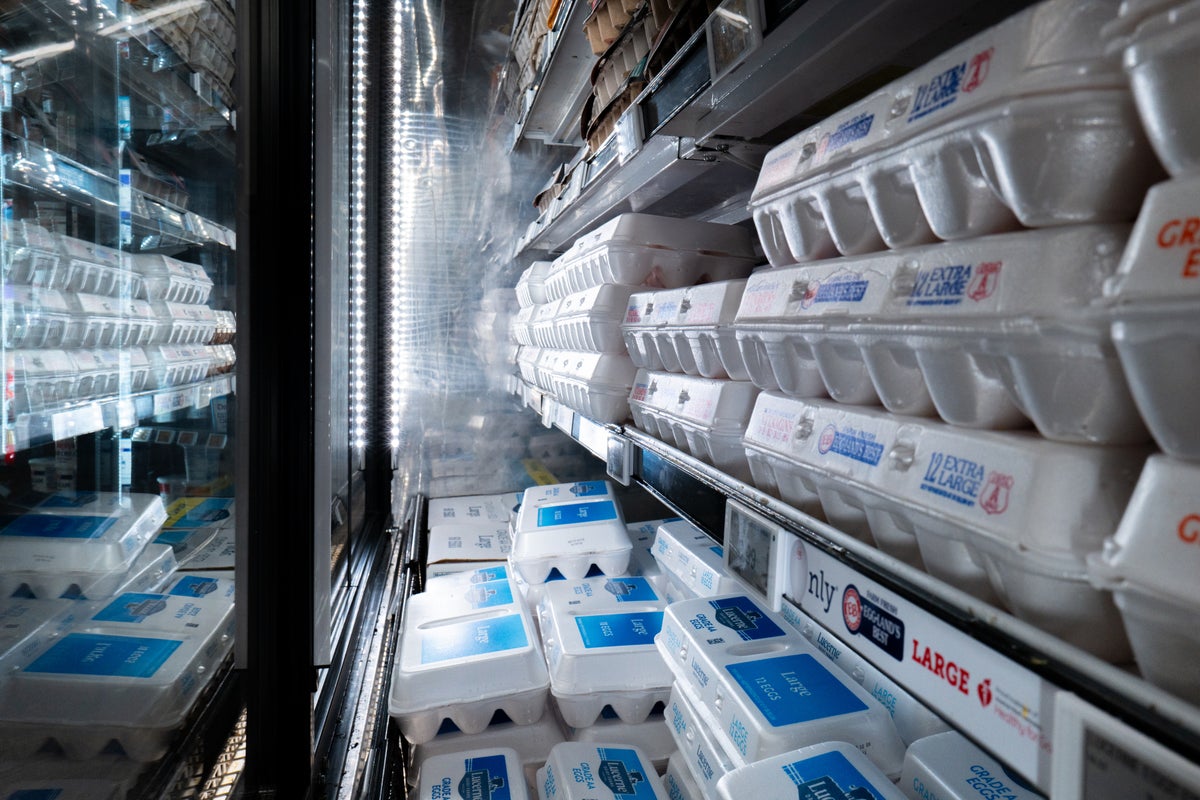
This diagnostic lag creates a dangerous exposure window. Because table eggs have a standard commercial shelf life of up to 28 days, contaminated batches bearing specific producer codes (such as the identified Laerco lots 2-BE-1073-01 through 04) remained active on retail shelves and in household refrigerators long after the initial vector identification began.
Cross-Border Logistics and Network Amplification
When production facilities operate within the European single market, local contamination events rapidly escalate into international supply chain crises via the Rapid Alert System for Food and Feed (RASFF). The implicated eggs from Laerco BV were not restricted to domestic consumption; distribution channels pushed the vector into France, Luxembourg, the Netherlands, Germany, and several other European nations.
Logistical networks amplify contamination risks through centralization hubs. Modern egg grading and packing centers aggregate output from multiple producers, mixing batches before secondary packaging. If traceability protocols fail to maintain strict lot segregation, tracing an outbreak requires backward-mapping distribution manifests across multiple intermediary wholesalers. The regulatory enforcement by the Federal Agency for the Safety of the Food Chain (FASFC) in Belgium necessitated cross-jurisdictional recalls, demonstrating that food safety in an integrated trade zone is only as robust as the weakest localized biosecurity audit.
Clinical Vulnerability and Risk Stratification
The demographic spread of the 300 affected individuals—ranging from infants under one year old to a 96-year-old patient, with women comprising roughly 45 percent of cases—illustrates the non-discriminatory nature of exposure coupled with highly discriminatory severity outcomes.
Salmonella pathogenesis depends heavily on the infectious dose and host immune competence. While healthy adults typically experience self-limiting gastroenteritis resolving within four to seven days, vulnerable populations face exponentially higher risks of systemic complications:
- Gastric Acid Barrier Failure: Infants and individuals on acid-suppressing medications possess higher gastric pH levels, destroying the primary chemical defense mechanism that normally neutralizes ingested bacteria.
- Invasive Salmonellosis: In elderly or immunocompromised patients, the bacterium can cross the intestinal epithelial barrier, entering the bloodstream and causing focal infections, bacteremia, or reactive arthritis.
- Asymptomatic Carriers: A subset of infected individuals exhibit no clinical symptoms yet retain shedding capacity, subtly extending transmission chains within domestic and institutional settings.
Systemic Prevention Protocols for Supply Chain Integrity
Relying on retroactive recalls and WGS matching is an inefficient defense mechanism. Elevating food safety standards requires shifting capital expenditure toward automated inline detection and biological intervention at the primary production tier.
Producers must implement continuous environmental monitoring that utilizes rapid polymerase chain reaction (PCR) testing on dust and manure samples rather than waiting for sporadic regulatory inspections. Furthermore, vaccination of laying hens against Salmonella Enteritidis must be treated as a mandatory baseline requirement rather than an optional operational overhead.
Supply chain operators should enforce strict cryptographic lot-tracking systems. When an environmental sample tests positive within a specific poultry house, automated inventory blocks should instantly freeze downstream distribution of all associated batches, shrinking the epidemiological window from months to hours.
Execute a comprehensive audit of all tier-one egg suppliers. Mandate weekly environmental pathogen screening with mandatory public reporting of positive isolates, and decouple packing facility aggregation until individual flock clearance is verified through molecular testing.