The mainstream media is treating the sudden collapse of the US-Iran diplomatic talks in Switzerland as a tragic failure of diplomacy. They are weeping over the headlines. They claim Lebanon is an insurmountable "sticking point" that shattered an otherwise promising framework for Middle Eastern stability.
They are entirely misreading the room. Meanwhile, you can explore other stories here: The Geopolitical Cost Function of the US-Iran Memorandum of Understanding: A Structural Analysis of Middle Eastern Diplomatic Realignment.
Diplomatic walkouts are rarely failures. In high-stakes geopolitics, a well-timed, dramatic exit is a highly calculated, aggressive strategic maneuver. The narrative that both parties packed their bags because they hit an unexpected brick wall over Lebanon is naive. They didn't stumble into a deadlock; they manufactured one.
I have spent years analyzing regional security frameworks and tracking the backchannel mechanics of state-sponsored proxy networks. When superpowers and regional heavyweights walk away from a neutral Swiss table, it is not because the negotiations broke down. It is because the theater reached its scheduled intermission. To understand the complete picture, check out the recent analysis by NPR.
The Myth of the Unresolved Lebanon Problem
The lazy consensus dominating current coverage insists that Lebanon remains the chaotic wild card preventing Washington and Tehran from signing on the dotted line. The pundits tell you that if we could just resolve the border disputes or stabilize the political vacuum in Beirut, the broader regional puzzle would effortlessly fall into place.
That premise is fundamentally broken.
Lebanon is not a variable; it is a constant. Neither the United States nor Iran entered these Swiss hotel suites expecting a sudden breakthrough on Hezbollah’s disarmament or a magic solution to the Mediterranean maritime borders. To suggest that Lebanon unexpectedly derailed the talks is like pretending a rainy day ruined a picnic you scheduled during monsoon season.
Let us look at the actual mechanics of how these states operate.
- Tehran’s Leverage Architecture: Iran views its influence in the Levant not as a bargaining chip to be traded away for sanctions relief, but as a core component of its forward defense strategy. Expecting Iran to genuinely negotiate away its influence in Beirut is a fundamental misunderstanding of Islamic Revolutionary Guard Corps (IRGC) doctrine.
- Washington’s Domestic Constraints: The Biden administration cannot afford to look soft on Iranian proxies while trying to manage a fragile domestic political environment. A protracted, public debate where the US appears to concede ground on Lebanese sovereignty would be political suicide at home.
Therefore, Lebanon serves a highly utilitarian purpose for both sides: it is the perfect, permanent excuse to stall.
Why Both Sides Needed the Talks to Fail Right Now
To understand why this walkout is actually a tactical win for both delegations, you have to look at what is happening away from the cameras. Negotiations do not happen in an idealistic vacuum. They are deeply tied to domestic timelines, military postures, and economic realities.
The American Calculation
The US delegation needed to signal strength without actually shutting the door to future backchannel communications. By allowing the talks to stall specifically on the issue of Lebanese stability and proxy containment, Washington achieves two things simultaneously:
- It reassures regional allies like Israel and the Gulf states that the US is not preparing to abandon them for a quick diplomatic victory with Tehran.
- It buys time to see how impending domestic political cycles play out before committing to a long-term binding agreement.
The Iranian Calculation
Tehran is playing a classic game of strategic patience. Their economy has adjusted to a baseline of maximum pressure, and their uranium enrichment capabilities provide a steady, compounding baseline of leverage.
"In asymmetric diplomacy, the party that can afford to wait always has the upper hand over the party operating on an election clock."
By walking away over Lebanon, Iran signals to its proxy network—the Axis of Resistance—that their interests will not be bartered away for Western economic promises. It reinforces internal loyalty at zero actual cost to their broader strategic position.
Dismantling the "People Also Ask" Illusions
If you look at the common questions floating around public discourse regarding this diplomatic freeze, you quickly realize how deeply the public has swallowed the wrong narrative. Let us correct the record with some brutal honesty.
Did the Swiss talks actually accomplish nothing?
The premise of this question is wrong because it assumes the only successful outcome of a meeting is a signed treaty. In reality, these rounds of talks are diagnostic. Both sides spent days feeling out the exact red lines, testing the boundaries of the opposition's domestic political will, and establishing direct lines of crisis communication. The walkout itself tells each side exactly how much pressure the other can tolerate before walking away. That is invaluable data.
Is a direct military escalation now inevitable?
The mainstream commentary loves to fearmonger that a breakdown in talks immediately opens the door to a hot war. This ignores decades of historical precedent. Both Washington and Tehran are acutely aware of the catastrophic costs of direct conventional conflict. The walkout simply shifts the competition back to the shadows—where both sides are far more comfortable operating anyway. We are entering a phase of calibrated gray-zone friction, not an open-ended regional war.
The True Cost of the Contrarian Reality
It is easy to paint this cynical view of geopolitical theater as entirely cost-free, but that would be a dishonest assessment. There is a dark side to this strategy of deliberate deadlock.
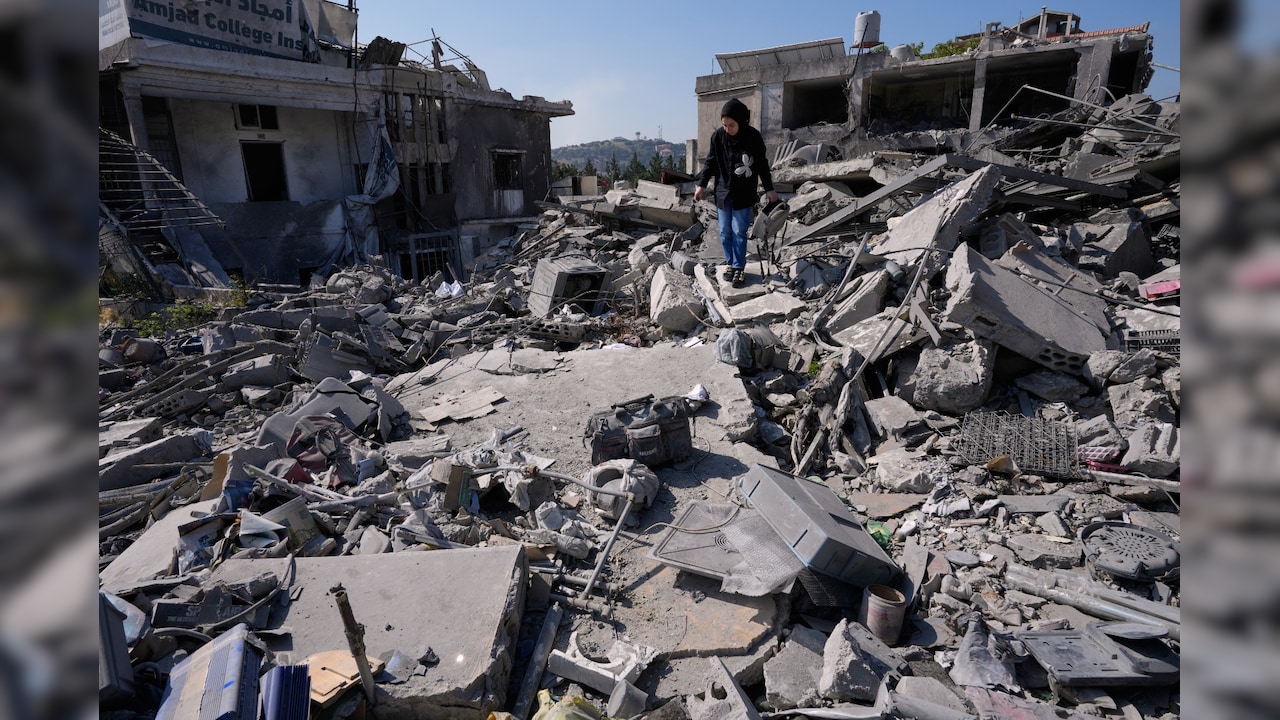
While Washington and Tehran benefit from using Lebanon as a perpetual pause button, the actual state of Lebanon pays the compounding interest on that delay. The political paralysis in Beirut deepens. The economic indicators continue their downward trajectory.
When superpowers use a smaller nation as a convenient diplomatic shield to avoid making hard choices at home, that smaller nation slowly hollows out. The tragedy isn't that diplomacy failed in Switzerland; the tragedy is that the theater requires a permanent victim to keep the show running.
The next time you see a breaking news alert announcing that world leaders have abruptly left the negotiating table in a huff, stop looking at the podium. Look at the calendar, look at the domestic polling data, and remember that sometimes, leaving the table is the most successful play on the board.
Stop waiting for a breakthrough. The deadlock is the design.


