Vacations go sideways fast. You picture white sand and cold drinks, but sometimes you get a nightmare instead.
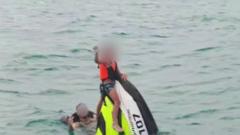
A family recently learned this the hard way during a Thai getaway. They rented a watercraft, expecting a fun afternoon on the waves. Instead, a sudden capsize turned a simple excursion into a desperate sixteen-hour fight for survival in open water.
Let's look at what actually happened during that terrifying ordeal. More importantly, let's talk about the massive safety gaps in the tourism industry that nobody wants to discuss. Water sports can turn deadly in seconds. You need to know the risks before you hand over your credit card.
The Disaster That Started With a Simple Rental
The details of the incident sound like a Hollywood script, but they are entirely real. A group of tourists took jet skis out for a spin off the coast of a popular Thai beach. Conditions turned. Equipment failed, or a rogue wave hit. Either way, the watercraft flipped.
Getting thrown into the water is scary enough. Watching your only flotation device sink or drift away is worse.
They were stranded for sixteen hours. Think about that timeframe. That is an entire night spent bobbing in the dark ocean. Muscle cramps set in. Dehydration becomes a real threat. Panic creeps into your chest and refuses to leave. They had no radio, no GPS tracker, and no emergency beacon. They just drifted while currents pulled them further away from the shore they left behind.
Search and rescue teams eventually spotted them miles out at sea. They survived through sheer luck and stubborn willpower. Many others aren't so lucky.
The Dark Side of Tropical Water Sports
Tourism boards love to promote the thrill of island adventures. They rarely talk about the lack of regulation.
When you rent a watercraft in many international destinations, you aren't dealing with a strict coast guard-certified outfit. You are often dealing with local vendors renting out machines with minimal oversight. Maintenance logs might not exist. Safety gear is often skimpy or missing entirely.
They hand you the keys, take your cash, and point toward the horizon. They rarely check your experience level. They almost never provide a proper safety briefing. If the engine dies or you get turned around, you are on your own.
Tourists assume these operations meet western safety standards. They do not. Local laws vary wildly. Enforcement is lax. When things go wrong, response times can stretch for hours. By the time anyone realizes you are missing, the tide has carried you into the shipping lanes.
Why Sixteen Hours Changes Everything
Survival psychology is fascinating until you are the one living it. The human body can go a while without water, but the mind breaks down much faster.
During those sixteen hours at sea, this family faced the ultimate mental test. Night falls quickly on the ocean. The temperature drops. Marine life starts moving around. Every shadow looks like a shark fin.
Most people have zero open-water survival training. They panic. They exhaust themselves trying to swim against a current they cannot beat. Exhaustion leads to swallowing saltwater. Swallowing saltwater leads to hallucinations and organ failure.
The fact that this family stayed together and kept their heads is a statistical miracle. They didn't have fancy survival gear. They had each other and a refusal to give up. You cannot rely on miracles when you plan a holiday. You have to plan for failure.
How to Protect Yourself on Your Next Trip
You shouldn't cancel every fun activity on your itinerary. You just need to stop trusting random vendors. Be smart. Protect yourself.
- Inspect the gear first. Look for cracked hulls, frayed steering cables, and leaks. If it looks neglected, walk away.
- Demand a briefing. Ask how to shut the engine off in an emergency and where the kill switch lanyard attaches.
- Keep land in sight. Never venture beyond your depth or out of visual range of the beach. Being adventurous isn't worth a funeral.
- Check the communications. Make sure you have a waterproof phone case or a whistle. Better yet, don't go out alone.
Rentals are big business. Safety is up to you. Don't let a tropical holiday turn into a desperate search and rescue headline. Ask the hard questions, check the equipment, and know your limits before you hit the water.