Prime Minister Lawrence Wong and Senior Minister K. Shanmugam are panicking over internet comments. Following recent public strain involving missing Singaporeans during tragic flash floods in Nepal and corporate backlash over Singapore Airlines pouring capital into Air India, ugly anti-Indian sentiments flooded local digital boards. The government's reaction? A predictable, hand-wringing condemnation of racism, paired with police investigations and warnings that toxic chatter will tear the island nation apart.
It is a comforting narrative for officialdom. Blame anonymous cowards behind keyboards. Point the finger at foreign actors or fringe extremists. Pretend that systemic bigotry is merely an infection introduced from the outside by rogue pixels.
It is also complete nonsense.
The lazy consensus is that internet trolls are hijacking otherwise healthy public discourse. The truth is much harsher. The digital vitriol erupting across Singaporean forums is not an aberration. It is the direct output of structural pressures, widening wealth gaps, and a decades-long state strategy of managing race through rigid bureaucratic categorisation. When citizens feel squeezed by cost-of-living crises, corporate globalization, and high-stakes foreign investments that look like bailouts funded by public wealth, those frustrations do not simply vanish into thin air. They seek a target. And the state's rigid racial classification model gives them an easy bullseye.
The Myth of Clean Disagreements
Listen to the official line: citizens are welcome to debate corporate strategy or foreign policy, provided they keep it clean. "Robust debates" are encouraged, but xenophobia and racial slurs cross the line.
This distinction sounds mature, but it fails basic human psychology under stress. Modern economic anxiety in a hyper-dense global hub like Singapore does not manifest as polite policy critiques. When average workers worry about wage stagnation while watching massive corporate entities like Temasek and Singapore Airlines shuttle billions across borders into foreign carriers, the debate stops being an abstract academic spreadsheet exercise. It becomes visceral.
I have watched corporate boards blow millions on cross-border expansions that benefit executive bonuses while local contractors absorb the shockwaves. When leaders act surprised that ordinary people conflate corporate capital allocation with identity politics, they are either profoundly naive or willfully blind. Corporations use global labor and international joint ventures for profit; workers live in local markets burdened by the physical and financial fallout. When those systems clash, people reach for the sharpest weapon available to express powerlessness. Often, that weapon is tribalism.
The Danger of Treating Symptoms as Diseases
Police investigations and ministerial finger-wagging make for good press releases, but they treat the fever while ignoring the infection. Threatening citizens with criminal probes over nasty forum posts does not eradicate prejudice. It merely drives it underground into encrypted channels where it festers without counter-argument.
Imagine a scenario where the government stops treating every xenophobic outburst as a threat to national security and instead treats it as a diagnostic tool. What if public anger over the Air India deal or the callous remarks about disaster victims are symptoms of deep-seated economic alienation? When people feel like second-class participants in their own economic miracle, they lash out at whichever demographic or corporate entity represents that displacement.
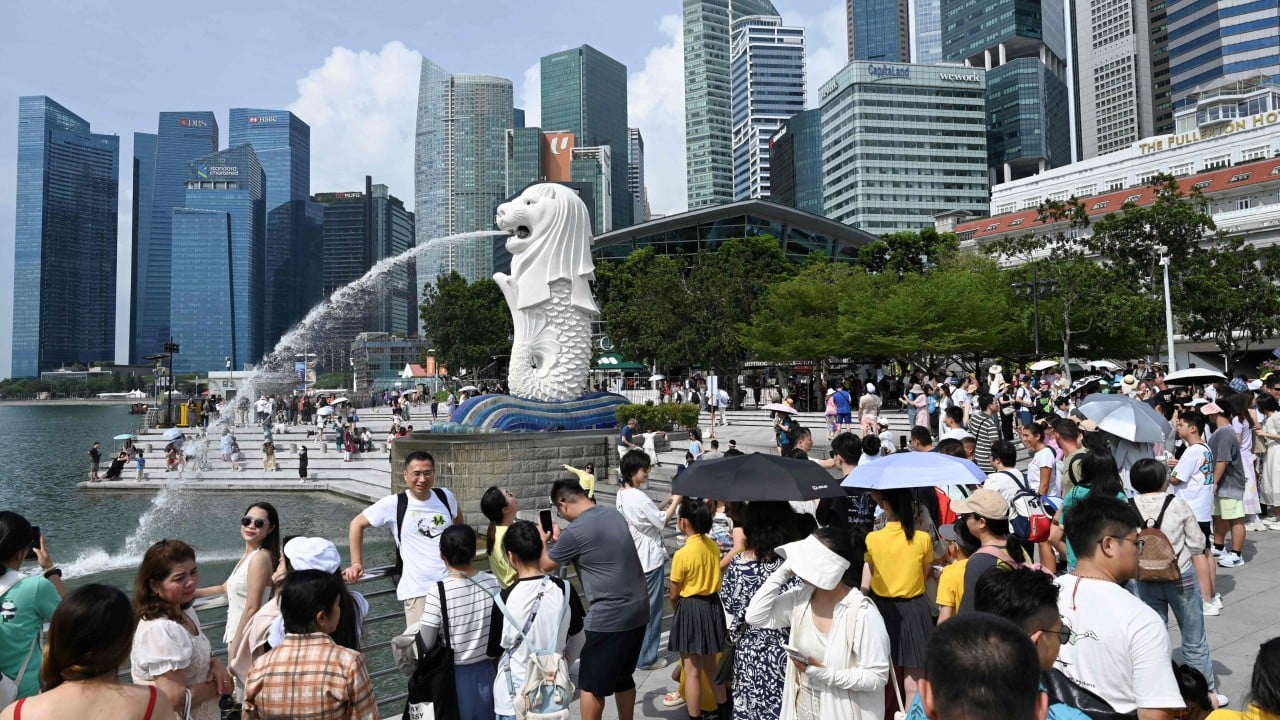
The state's response relies on a fragile legal shield: outlaws racism, mandate harmony, and pretend the fault lines do not exist because everyone signed the National Pledge. But forcing multiculturalism through top-down administrative compliance creates a brittle peace. It builds a society that looks serene from the 50th floor of a downtown tower, yet remains intensely fractured at the ground level where people actually compete for housing, wages, and security.
Dismantling the Fault Lines
If Singapore wants to stop pulling apart, leadership must abandon the illusion that racial harmony can be preserved merely by policing vocabulary.
First, stop hiding economic grievances behind the shield of racism. While genuine bigotry exists and deserves zero quarter, labeling every critical, hyper-nationalistic pushback against corporate investments as "anti-Indian abuse" or xenophobia shuts down legitimate economic accountability. When state-linked investment firms make high-risk overseas plays, the public has a right to interrogate those choices without being run through a morality filter by cabinet ministers.
Second, dismantle the bureaucratic obsession with compartmentalizing identity. Singapore's foundational racial framework locks citizens into rigid boxes from birth. It institutionalizes differences while preaching unity. You cannot permanently solve tribalism with a system that continually reminds everyone of their distinct tribal category on every official form.
The illusion of stability is collapsing because the old playbook of warning citizens to behave no longer fits an era of globalized economic stress. Trolls do not tear nations apart. Nations tear themselves apart when their leaders mistake compliance for cohesion, and silence for loyalty.
Stop policing the comment sections. Start fixing the systemic conditions that make people want to burn the house down in the first place.