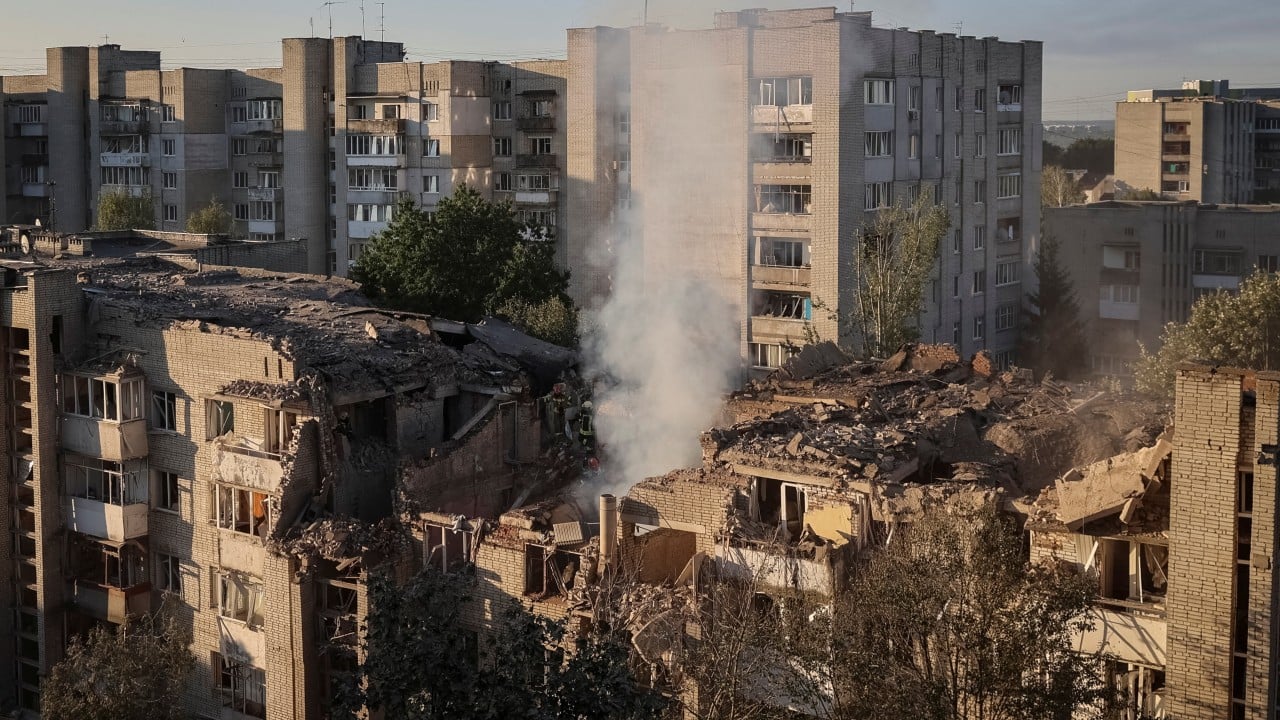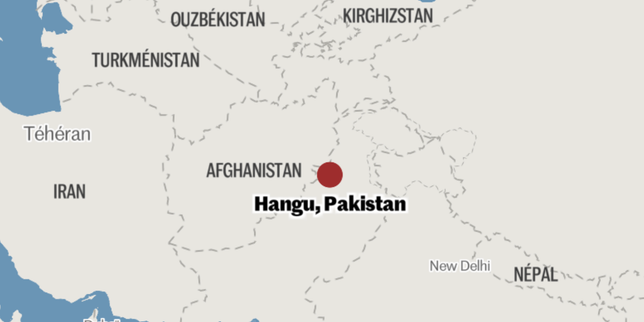
The headlines from Pakistan tell a tidy, lazy story. Fifteen dead. Twenty-two wounded. A targeted assault on a remote police outpost. The mainstream narrative rolls out its standard, well-worn script: a failure of perimeter security, a lack of raw manpower, and a predictable call for more concrete blocks and heavier rifles.
Everyone nods along. Everyone accepts the surface diagnosis.
That consensus is completely useless.
Fixating on the security guard at the gate misses the entire structural failure of how remote counter-terrorism infrastructure operates in contested border zones. Shouting for more fortifications at a single station is like bailing out a sinking ocean liner with a teaspoon while ignoring the gaping hole in the hull.
The Flawed Logic of Fortress Policing
Look at how conventional reporting frames these incidents. The narrative assumes that violence against frontline state outposts is primarily a tactical logistics problem. If only the outpost had better night-vision gear, a higher concrete wall, or three more patrol trucks, the outcome would flip.
This is security theater at its finest.
When a remote station gets overrun, upgrading the hardware does not solve the root vulnerability. It just shifts the cost for the attackers. If a post becomes a harder target, insurgent networks simply pool larger resources or alter their operational vectors. They scale up their tactics to match the new concrete.
I have spent years analyzing regional security architecture and asymmetric warfare patterns. I have watched governments burn billions of dollars on hardened infrastructure while ignoring the human and intelligence networks that actually keep frontline posts alive.
Intelligence sharing is the real variable here. A police station sitting in a high-risk corridor without real-time, bi-directional intelligence feeds is just a sitting duck in a uniform. No amount of sandbags compensates for flying blind.
Why the Standard Counter-Terrorism Playbook Fails
The conventional questions asked by analysts after every single attack follow a predictable, flawed loop:
- Did the station have enough ammunition?
- Was the garrison understaffed?
- How fast did the rapid response force arrive?
These questions assume the system is fundamentally sound and only needs fine-tuning. They are the wrong questions entirely.
The real question nobody wants to ask is why isolated static outposts are being used as primary defense mechanisms in the first place. Static defense is passive. Passive defense always loses against an enemy holding the initiative.
By anchoring security forces to fixed geographic coordinates, the state hands over total tactical freedom to the attackers. The insurgents pick the time, the weather, and the exact concentration of force. The defenders simply wait to get hit.
[Traditional Static Defense Model]
Fixed Post ---> Waits for Attack ---> Absorbs Initiative ---> High Vulnerability

[Decentralized Mobility Model]
Mobile Units ---> Active Patrols ---> Disrupts Networks ---> Low Vulnerability
Until operational doctrine shifts away from fixed outposts toward fluid, intelligence-driven mobility, these casualty counts will repeat. Every single month.
The Economics of Asymmetric Attacks
Let us look at the raw mechanics of these raids.
An insurgent cell planning an assault on a rural district post calculates its risk-reward ratio carefully. They know the state's response relies on bureaucratic clearance chains and slow-moving reinforcements. They exploit the friction of distance.
When a station falls, the psychological blow outweighs the tactical territory gained. It broadcasts weakness. It signals to local communities that the state cannot protect its own enclaves, let alone civilians.
The standard administrative response to this psychological blow is predictable: suspend the local commander, launch an inquiry, announce a financial payout for the families of the fallen, and promise more outposts.
It is a closed loop of systemic failure.
What Actually Works
If you want to stop the body count, stop building better tombs for law enforcement.
- Abandon Indefensible Positions: Consolidate isolated posts into regional hubs capable of projecting power outward. Do not scatter small squads where they can be picked off individually.
- Prioritize Informant Networks Over Concrete: A single high-grade tip ten minutes before an attack saves more lives than ten feet of reinforced steel. Invest heavily in human intelligence and local community trust.
- Decentralize Command: When seconds count, waiting for clearance from a district headquarters miles away is a death sentence. Push tactical autonomy down to the lowest possible rank.
The truth is uncomfortable. It requires admitting that decades of standard policing doctrine in high-threat zones have been fundamentally wrong.
The next time a checkpoint falls, do not look at the height of the walls. Look at the strategy that put those men behind them with no way out.