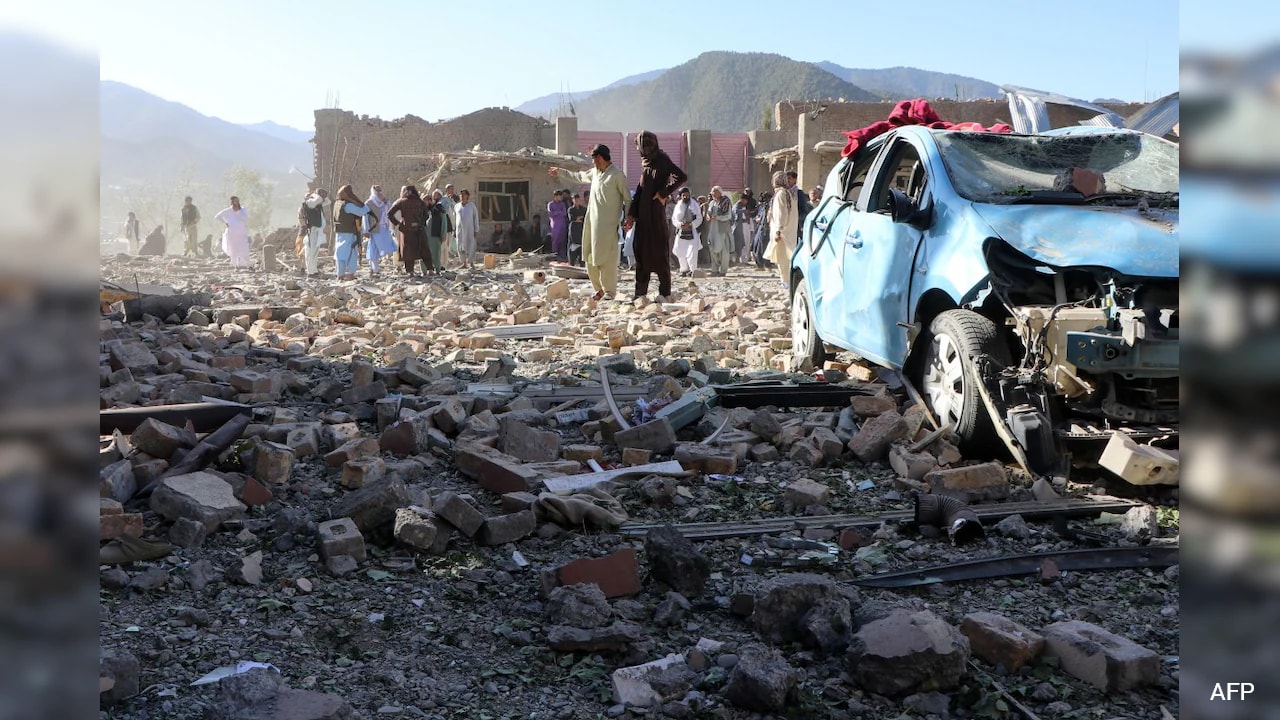
The morning air in Rakhine State usually smells of woodsmoke, wet earth, and the sharp, fermented tang of ngapi drying in the sun. It is a sensory fabric woven over generations, a daily rhythm that begins long before the tropical sun burns away the morning mist. Women balance woven baskets of bitter greens and river fish on their heads. Children chase stray dogs through the narrow, dusty alleys between wooden stalls. Vendors lay out their wares—tomatoes glistening with morning dew, bundles of betel nut, heaps of bruised mangoes—not as commodities traded on a global exchange, but as the fragile margin between surviving another week and disappearing into the void.
Then comes the sound.
It is not a distant rumble or a roll of thunder. It is an abrupt, tearing roar that strips the breath from your lungs before your brain can process what is happening. The jet fighter comes screaming over the treeline, banking sharply against the blinding blue of the Myanmar sky, indifferent to the lives unfolding beneath its shadow.
And then the world splits apart.
The Mathematics of Silence
Forty-nine.
In the cold architecture of news reporting, it is a number that fits neatly into a headline. It is a statistic filed away in a quarterly report on regional instability, a ledger entry in a civil conflict that has ground on with the grinding monotony of a glacier. But numbers have a way of flattening the human experience, turning flesh, memory, laughter, and fear into dry ink.
To understand forty-nine, you have to break it down into the specific universes that evaporated in a fraction of a second.
Consider a hypothetical stallholder named Ma Than, whose existence was anchored entirely to a wooden table measuring three feet by six. For twelve years, she had stood behind that table, selling dried chili and garlic. She knew the exact cadence of her neighbors' voices, the precise weight of a copper coin worn smooth by use, the birthdates of three grandchildren who played under her bench while she worked. In the microseconds after the ordnance struck, Ma Than’s twelve years of daily rituals, her quiet worries, her secret hopes for her family vanished into a crater of pulverized earth, shrapnel, and ash.
The market was not a military encampment. It had no bunkers, no radar dishes, no armed guards standing watch behind sandbags. It was simply the place where people went to buy rice.
When modern air power intersects with a civilian bazaar, the physics are absolute and merciless. Blast waves reflect off corrugated tin roofs, turning simple housing materials into a storm of razor-bladed shrapnel. The temperature spikes instantaneously, searing the air. And in the immediate aftermath, there is an eerie, deafening quiet—a sudden vacuum where a community used to live, broken only by the crackle of burning thatch and the desperate cries of those searching the rubble for a hand, a scarf, a familiar voice.
The Anatomy of an Endless War
To look at Myanmar today is to witness a nation fracturing along lines drawn decades ago, now exacerbated by a military junta fighting for its own survival against a coalition of ethnic armed organizations and popular defense forces. Rakhine State, sitting on the western coast along the Bay of Bengal, has long been a crucible of overlapping tragedies—a landscape scarred by communal violence, displacement, and a systematic campaign of marginalization.
When the central military government loses ground on the tactical battlefield, its doctrine shifts upward. Lacking the infantry strength or the local morale to hold contested rural districts, it turns to the skies. Jets and helicopter gunships become the arbiters of control.
This is not strategic warfare in the classical sense. It is psychological attrition delivered from an altitude where pilots cannot see the faces of the people below. From twenty thousand feet, a bustling market square filled with mothers, traders, and children looks like nothing more than a cluster of coordinates on a digital display. There is no moral friction in the release of a bomb when the target is rendered as a pixel.
We tell ourselves that wars are fought between armies, but modern civil conflict is an intimate theater of cruelty where the front line runs directly through the kitchen table, the schoolyard, and the vegetable stall. The civilians of Rakhine are caught in a tightening vice: pressed by the sweeping advances of the Arakan Army on one side and subjected to indiscriminate aerial retaliation by a cornered military regime on the other.
What Remains in the Dust
Dust settles slowly in the tropics. It coats the leaves of the surviving mango trees, turns the red earth gray, and clings to the skin of rescue workers who dig through the ruins with bare hands because heavy machinery cannot reach the narrow lanes.
Every single one of those forty-nine lives represented an entire cosmos of human endeavor. There were debtors and creditors, poets whose verses were only ever spoken aloud, people who loved the taste of sour tamarind and people who worried endlessly about the monsoon rains rotting their roofs. They were living history, carrying forward traditions and memories that cannot be replaced by a ceasefire agreement or a diplomatic communiqué.
We read these headlines over morning coffee thousands of miles away. We scroll past them on glowing screens, pausing for a fraction of a second before the algorithm feeds us a sports score or a celebrity gossip piece. The sheer velocity of modern information turns human catastrophe into ambient noise.
Yet, every time a market in Rakhine or anywhere else in this burning world is wiped from the map, something vital within our shared humanity is chipped away. It is a reminder of how fragile civilization is, how quickly the thin veneer of safety can be vaporized by a pilot pressing a red button miles above the clouds.
The smoke eventually clears over the market square. The survivors begin the agonizing task of collecting what is left, wrapping bodies in white cloth, and whispering prayers into the indifferent wind. But the crater remains—a raw, gaping wound in the earth, reminding all who look upon it of the staggering, unrecorded cost of a war waged against the people who only wanted to buy their daily bread.