Dust tastes like copper and old paper.
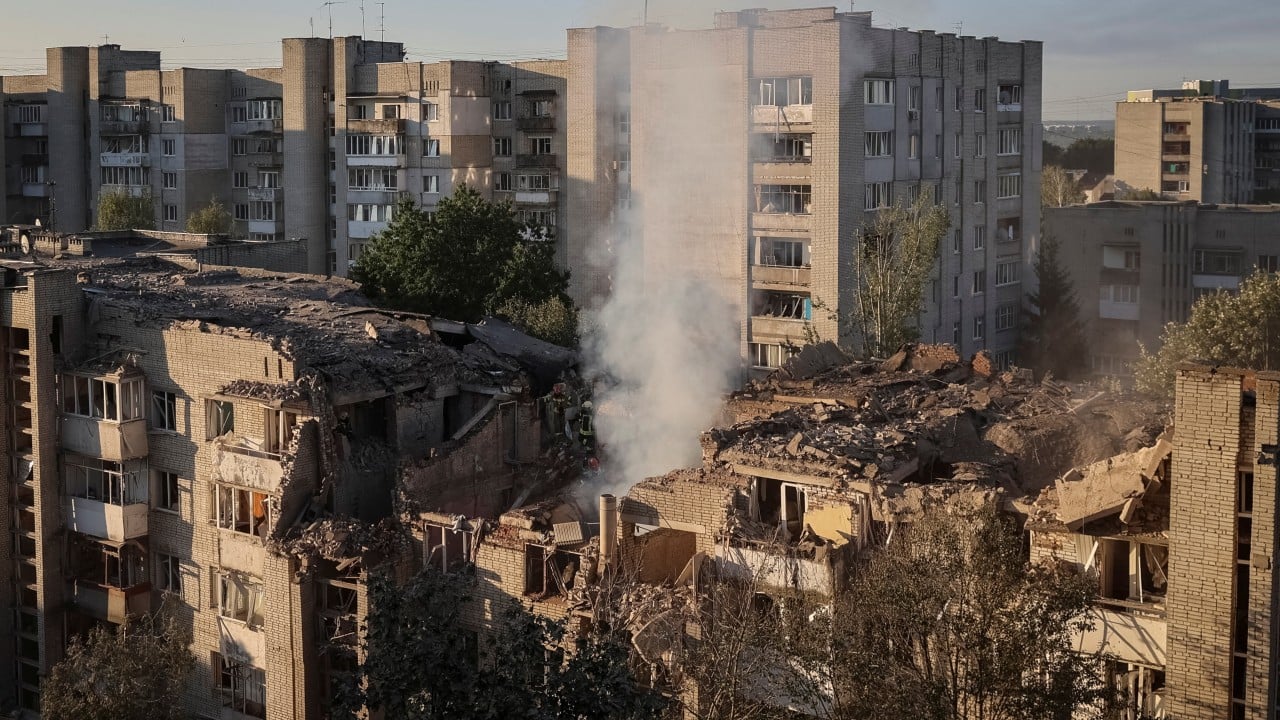
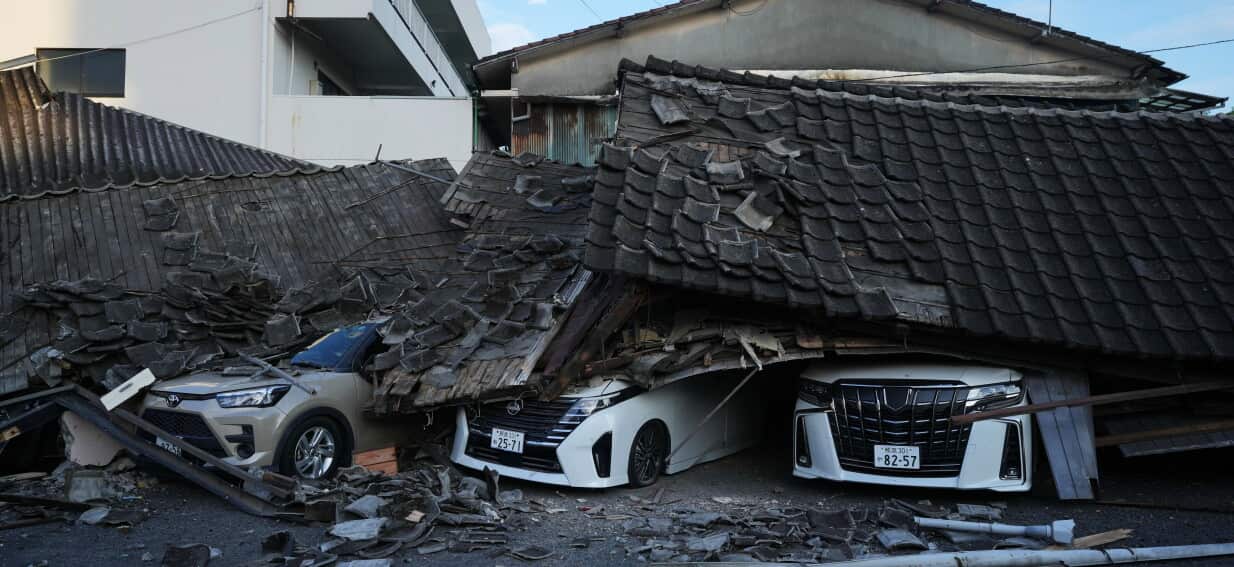
When the earth shifts, it does not ask for permission. It does not wait for sirens. It simply tears through the quiet morning, turning steel-reinforced walls into jagged teeth and converting familiar streets into mazes of gray ruin.
Thirteen lives. That is the cold tally etched into the morning reports from Japan. A number. A statistic. A quiet punctuation mark at the end of a dispatch sent across oceans. But numbers do not bleed. Numbers do not measure the weight of a fallen beam, nor do they capture the terrifying vacuum left behind when a shopping mall—a sanctuary of bright lights, laughter, and weekend warmth—folds inward like a house of cards.
Consider the architecture of a disaster.
We build monuments to commerce and community. We stack glass and concrete high into the sky, trusting physics to hold the ceiling over our heads. We walk beneath massive atrium roofs without a second thought, lulled by the hum of escalator motors and the chatter of shoppers. Then, the ground rolls. The invisible anchor snaps.
In that fraction of a second, geometry turns traitor.
Rescue workers move like ghosts through the gray haze. They carry no heavy armor, only thermal sensors, listening devices, and an agonizingly fragile hope. Every movement must be calculated. One boot misplaced on a slab of fractured concrete can trigger a secondary collapse, burying both the seeker and the sought beneath another layer of debris.
Listen.
In the hours after the tremor, the silence is heavier than the rubble. It is the kind of silence that demands a heartbeat to break it.
(Note: The following scenario illustrates the operational reality faced by emergency response teams on the ground.)
Picture a rescue technician named Kenji. He has been awake for thirty-six hours. His fingers are raw, scraped bloody through heavy-duty gloves as he claws at jagged drywall. Beneath his boots lies a void—a tiny pocket of air trapped beneath a collapsed mezzanine where a store display once stood. Thirteen confirmed dead across the affected region, yes. But inside this specific ruin? Unknown.
Kenji holds his breath. He presses a fiber-optic camera through a microscopic crack in the masonry. The lens flickers to life, illuminating a narrow corridor of dust motes dancing in the glare of a tiny LED tip. Twisted metal. Shattered glass. A single, abandoned shoe.
Nothing.
Then, a faint tap.
Tap. Tap. It is the oldest language left to us. When words fail, when the throat is choked with dust and despair, human beings revert to percussion. We strike iron against stone. We knock on wood. We announce to the universe that we are still here.
That single tap rewrites the entire equation of the rescue effort. The death toll ceases to matter in that instant. Thirteen is a historical record of what has already been lost; the tap is an urgent demand for what can still be saved. Heavy machinery is instantly halted. Hydraulic jaws are silenced. The neighborhood holds its breath so that one man with a listening scope can map the geography of a stranger's survival.
Why do we look away from these horrors, yet stare relentlessly at the screens when they unfold?
Because deep down, we know the truth about our modern scaffolding. We inhabit a world engineered for speed and convenience, yet anchored to a restless crust. Japan sits upon one of the most volatile tectonic intersections on the planet. Its people live with a cultural muscle memory forged by centuries of tremors. They practice evacuation drills before their children can tie their shoes. They build skyscrapers with shock absorbers that sway like willow trees in a hurricane.
Yet, nature still finds the seam.
When a mall collapses, it exposes the illusion of permanence. We treat our public spaces as eternal monuments, forgetting that every structure is merely a temporary truce with gravity.
The hours stretch. The sun dips below the horizon, plunging the rescue zone into the harsh glare of floodlights. Generators thrum like wounded beasts against the night air. Family members wait behind police tape, wrapped in foil blankets, clutching smartphones that ring with unanswered calls. Every time an emergency vehicle shifts its position, a collective shudder passes through the crowd.
This is the hidden cost of the concrete age. We trade the open earth for roofs and walls, and when those walls fail, we pay the difference in patience, sweat, and tears.
Kenji dives deeper into the cavity. The air grows hot, stale with the smell of spilled gasoline and powdered lime. He crawls on his stomach, his helmet scraping against a hanging steel cable. He calls out into the dark, his voice cracking from fatigue.
"Is anyone there?"
Silence answers him.
He does not turn back. He pushes forward, guided only by the stubborn, irrational human refusal to accept that a life can simply be erased by a twitch of the earth. Thirteen lives are already recorded in the ledger of the tragedy. But out here in the dark, wrestling with the rubble of a fallen market, the only number that matters is one.
The dust settles slowly over the ruin, waiting for the next sound to rise from the deep.