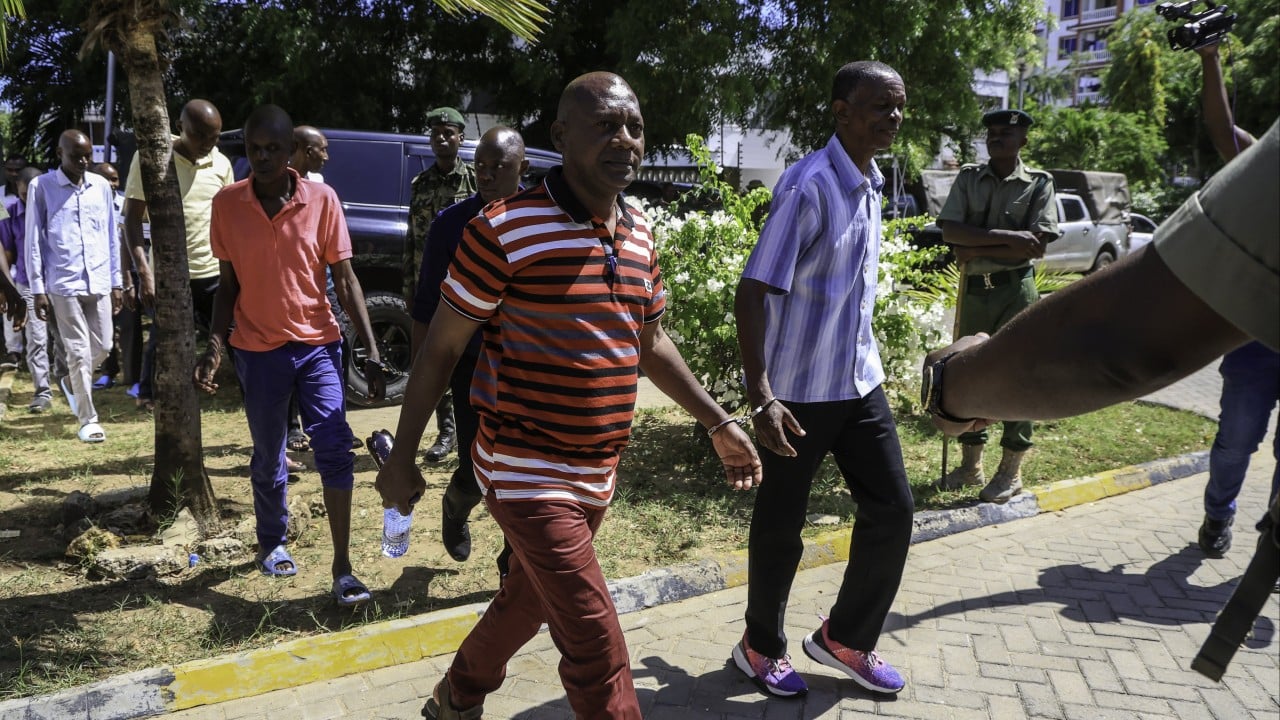
One hundred and ninety children and one adult dead on orders from a man who told parents that hunger was the road to heaven. That isn't an abstract legal statistic. In October 2026, a Mombasa High Court judge found Good News International Church leader Paul Mackenzie guilty of murdering 190 children and one adult tied to the Shakahola forest tragedy, and weeks later on November 6, 2026, sentenced him to 200 years in prison—100 years for murder by starvation and 100 years for direct homicide.
Honestly, anyone who reads a headline like that and stops at the verdict misses the hardest part of the story. Justice finally arrived in the courtroom, sure. Yet hundreds of bodies were exhumed across the wider Shakahola investigation—with totals exceeding 400 and human rights monitors tallying 429 deaths in 2024—while families are still waiting to bury loved ones who remain unidentified or missing. And Mackenzie still faces separate prosecutions, including charges tied to another 52 deaths linked to Kwa Binzaro village.
How a Doomsday Sect Turned Shakahola Forest Into Graves
People often ask how mass starvation happens inside a modern country without someone noticing right away. The short answer is isolation, staged escalation, and a crisis that made people desperate.
Mackenzie, a former taxi driver who ran the Good News International Church, didn't build a lethal compound overnight. Reports and court findings show he pushed followers away from basic safety nets long before the final fasts began. He told members that schools and hospitals were satanic. He steered families out of normal life and into makeshift shelters of polythene sheeting and thatch inside Shakahola Forest near the coast, carving the ground into sections named after biblical places like Jerusalem and Judea.
When the COVID-19 pandemic hit families hard financially and medically, apocalyptic rhetoric landed harder. Preaching an end-of-the-world timeline and promising salvation through extreme fasting gave desperate people a terrifying script to follow. Prosecutors and witnesses described a phased starvation plan—starting with children, then moving to women and young men, and finally the remaining men.
Judge Diana Kavedza Mochache laid out what that looked like on the ground during the judgment. Children watched siblings die after days without food. Some kids were kept apart and denied food while parents looked on. Anyone caught trying to get food or water risked beatings, having their hands tied, or being locked inside structures turned into what the court described as fasting bays to die.
Postmortem and police findings cited by prosecutors also showed that while starvation was central, deaths weren't only from lack of food—victims also suffered asphyxia, neck compression, and traumatic head injuries, and investigators uncovered shallow graves, latrine dumps, and accounts of people buried alive. Mackenzie denied forcing anyone to starve, and his lawyers argued the case leaned heavily on circumstantial evidence, hearsay, and inconclusive forensic findings, though the court rejected that defense.
Why Warnings Before the Massacre Went Unanswered
Here's what bothers me most about this case: this wasn't a bolt out of the blue. Police had searched Mackenzie's premises back in 2017. Authorities shut down his church in Malindi in 2019, after which he moved toward Shakahola Forest. He was arrested more than once prior to the 2023 mass-grave discoveries, only to be released.
When a local resident alerted police in mid-March 2023 that his brother and wife had starved their children to death on Mackenzie's orders, the full scale still hadn't been pulled into the light. Even after an initial arrest and release on bail, relatives said the doomsday date was moved up before systematic forest searches and exhumations began in April 2023.
Even a 200-year sentence doesn't erase the fact that warnings existed for years while vulnerable children paid the price.
President William Ruto acknowledged in 2023 that state agencies should have stopped the tragedy and said he took responsibility as president. During sentencing in November 2026, Justice Kavedza likewise pointed to institutional failures and urged Parliament to act so nothing like Shakahola happens again.
Why do systems stall in cases like this? Partly because religious freedom is deeply woven into public life, and officials worry about overstepping or sparking backlash—until a quiet harm turns into a mass casualty event. Partly, too, because interagency coordination breaks down when a suspect moves locations, gets bailed out, or operates behind closed doors with families who refuse outside help.
What Families Still Face After the Courtroom Verdict
A conviction is a milestone in criminal law. For grieving relatives, though, closure is messy and incomplete.
Relatives who traveled to Mombasa for the rulings described deep psychological strain alongside anger at authorities for not acting sooner. One father whose wife and six children remained missing captured the gap between legal punishment and personal grief simply: he was glad for the outcome, yet still begging to know where his family was—or at least to get bodies back so he could bury them. One of Mackenzie's own sons, who had fled the group in his early teens and lost a younger brother and friends there, called the sentence justice for those lost while families continue searching for answers.
That gap highlights two big realities moving forward:
- Forensic identification takes time and money. With hundreds of bodies recovered across the wider Shakahola area and some still unidentified, families can be stuck in limbo for years waiting for DNA matches or burial releases.
- One verdict isn't the end of the legal road. Mackenzie remains entangled in additional proceedings, including allegations involving Kwa Binzaro village, alongside co-accused cases. Convictions on specific counts matter, yet accountability across every layer of complicity and state oversight is still being tested.
Practical Ways to Spot High-Control Extremism and Support Victims
You don't need to live next to a forest in coastal Kenya to recognize the warning signs of coercive, high-control groups. They use remarkably similar playbooks across cultures.
If you're watching out for a loved one—or working in community support, child welfare, or journalism—look for practical patterns rather than waiting for an obvious crisis:
- Watch for deliberate isolation from everyday lifelines. When a group tells members that doctors, schools, courts, or family outside the fold are corrupt or evil, alarm bells should ring early. Isolation makes abuse invisible.
- Track escalating physical deprivation disguised as virtue. Extreme fasting, sleep deprivation, or withholding medical care framed as "purification," "faith," or "preparing for the end" crosses from spiritual discipline into physical danger fast.
- Document patterns and contact local authorities with specifics. If you suspect a child is being denied food, schooling, or medical care, write down dates, locations, names, and concrete facts—not just vague impressions—and report them to child protection services or police.
- Support credible victim and human rights efforts. Families of missing or deceased members often need legal aid, mental health care, and reliable identification updates more than commentary. Following verified reporting from outlets like Reuters, The Guardian, and Al Jazeera or human rights documentation from the Kenya National Commission on Human Rights helps keep real accountability in view.
Kenya cult leader sentenced for murdering 190 children
Watching this broadcast report adds helpful context on the courtroom sentencing and the ongoing grief of families waiting for answers about missing relatives.