Sirens. Always sirens first.
Before you see the shattered glass on the pavement or smell the sharp, acrid bite of tear gas drifting past a corner bakery, you hear the high, insistent wail echoing off limestone facades built for another century. In Paris, sound travels differently than it does in an American metropolis. Stone holds noise. It bounces it down narrow alleys, under wrought-iron balconies, across plazas where lovers once lingered over cheap espresso, until a single siren sounds like an alarm ringing inside your own chest.
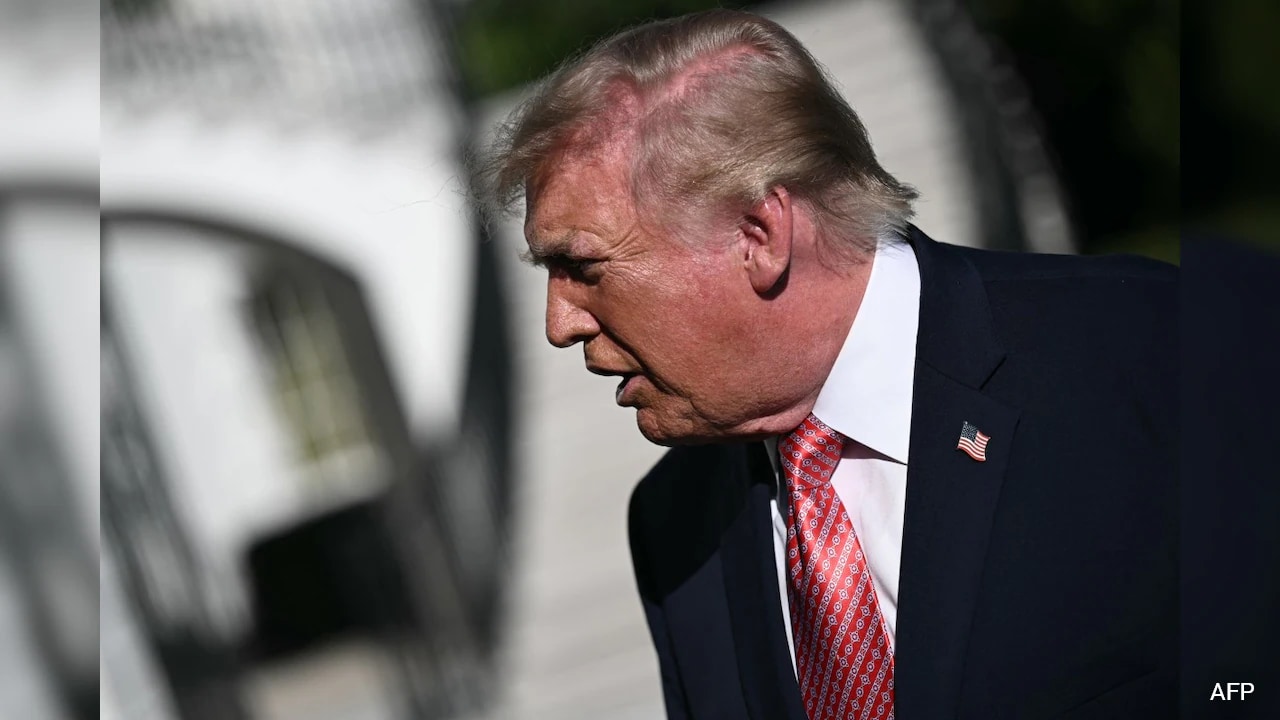
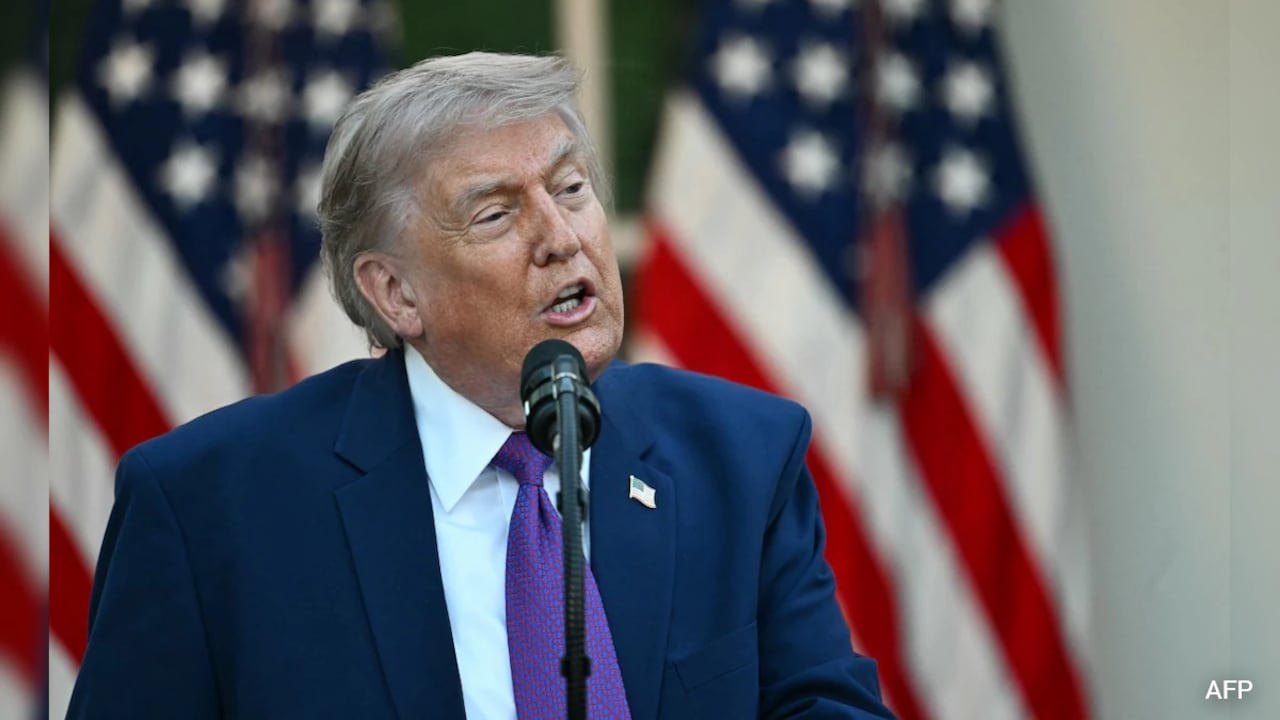
That is the acoustics of unrest. And it is into that exact soundscape—into the smoke, the anger, the viral clips of burning barricades and tense standoffs—that Donald Trump stepped when he declared that Paris "is going to be a Muslim city very soon."
Read that sentence ten times. Watch how quickly it stops being a weather report about street violence and turns into a mirror held up to two entirely different anxieties. One belongs to a populist leader thousands of miles away, speaking to a crowd primed to hear civilizational decline in every broken window. The other belongs to the people actually breathing the air in Paris—the shopkeepers sweeping glass, the teenagers growing up in concrete towers on the city's edge, the secularists guarding a hard-won philosophy of public life, the Muslims praying in crowded basements or neighborhood mosques while wondering why their faith is treated like an invading army.
I have walked through Parisian neighborhoods on nights when tension hung so thick you could taste copper in the air. I have stood on the edge of a square near République as riot police in black armor formed a human wall, shields catching the orange glow of a flare, while bystanders filmed everything on glowing phones. When you are there, the city does not feel like a neat demographic chart. It feels raw. Personal. Messy.
Which is precisely why sweeping predictions about a city's "fate" hit like a concussion. They flatten human lives into slogans. Yet ignoring the heat behind those slogans is its own kind of blindness.
The Architecture of a Provocation
Politics loves a dramatic prophecy. A warning that something is "going to happen very soon" carries a built-in urgency that dry statistics lack. Saying demographic shifts in the Île-de-France region show rising religious diversity alongside persistent socioeconomic disparities in certain suburbs will put half a room to sleep. Saying Paris is "going to be a Muslim city very soon" in response to riots lights a fuse.
Notice the timing and the fuel. Riots are chaotic by nature. A spark—a police shooting, a controversial law, a neighborhood grievance simmering for years—can turn a single block into a flashpoint overnight. Out of that chaos, cameras capture the sharpest images: hooded youths, overturned bins, water cannons, smoke rising behind the Arc de Triomphe or along a peripheral boulevard.
To understand why that moment invites grand, sweeping claims, consider a metaphor. Imagine watching a house fire through a keyhole and announcing that the entire neighborhood has turned to ash. You saw real flames. You felt real heat. Your mistake wasn't imagining danger; your mistake was treating a terrifying snapshot as a completed destiny.
That distinction matters. Riots in France have recurred across administrations, decades, and causes—from student protests and pension battles to urban unrest in the banlieues. Conflating street disorder with religious takeover is a rhetorical leap. Still, it is a leap millions of people are willing to take because fear looks for simple stories.
When people feel unsafe, unsettled by cultural change, or alienated from political elites, a stark binary feels comforting. Us versus them. Before versus after. Christian/secular heritage versus an ascendant Islam. Complexity demands patience. Provocation demands only a reaction.
Two Lives on the Same Transit Line
To see what gets lost when riots are turned into a prophecy about Paris's identity, let's build a hypothetical scenario—a composite picture grounded in real social dynamics rather than a single real person.
Picture Nadia, twenty-four, born in a high-rise housing block outside central Paris to parents who arrived from North Africa decades ago. She commutes every morning by RER train toward a white-collar office in the center of the city. On her phone, she watches videos of riots flaring up miles away—some involving young men from neighborhoods like hers, others mixed with broader anti-establishment anger. When a foreign politician claims Paris is soon to become a "Muslim city," Nadia doesn't feel triumphant or powerful. She feels trapped between two walls. On one side, she faces discrimination in housing and hiring that makes her feel like a second-class citizen in the only home she knows. On the other, she hears politicians and commentators talk as if people with her background are a demographic tidal wave about to swallow France whole.
Now picture Henri, sixty-one, who has run a small hardware or framing shop near a busy intersection for thirty years. Twice in recent years, unrest has come close enough to force early shutters, boarded windows, and sleepless nights listening for sirens. Henri loves the rhythms of old Paris—the bakeries, the café terraces, the quiet Sunday mornings, the strict French tradition of laïcité, where religion stays out of public space and the state remains strictly neutral. When he sees clashes in the streets and hears bold warnings from abroad, his reaction isn't hatred born in a vacuum; it is a mixture of fatigue, protective attachment to what he knows, and unease about a country that feels harder to read than it used to.
Neither Nadia nor Henri is a caricature. Both carry real weight.
If you reduce Paris to a single looming religious label, you erase Henri's attachment to civic tradition and his exhaustion with disorder—and you erase Nadia's ordinary desire to finish her workday, visit her family, and be judged as an individual rather than a symbol of doom.
What Riots Actually Measure
Why do riots happen in the first place? Rarely do people risk tear gas, arrest, and injury over a single headline alone. Riots are usually symptoms of friction—places where policy, policing, identity, economics, and history rub together until sparks fly.
In France, that friction has deep roots. After World War II, labor shortages brought waves of immigrants, many from former French colonies in North and West Africa, to rebuild infrastructure and staff factories. Over subsequent decades, public housing policies concentrated many working-class and immigrant families in outer suburban developments—the banlieues—physically and socially separated from wealthier urban cores.
Generations grew up there holding French passports while experiencing higher unemployment, strained schools, and tense relationships with law enforcement. At the same time, France's fierce commitment to laïcité—state secularism—shapes every debate over headscarves, religious dress, mosque funding, and integration. What looks to an outside observer like a simple clash of cultures is often a layered argument about equality, assimilation, policing, and belonging.
Consider what happens next when an outsider frames riots through the lens of imminent religious takeover. It shifts the conversation away from fixing broken housing ladders, improving community trust, or addressing real crime and disorder. Instead, it turns every street clash into proof of an inevitable cultural conquest.
And here, as someone writing about a subject that stirs deep passion on every side, I want to be honest: this territory is genuinely confusing and unsettling. Even seasoned journalists, historians, and residents argue fiercely over how well France is integrating its diverse population, how to balance secularism with religious freedom, and how to restore order without inflaming resentment. Anyone who claims to have a neat, effortless answer is selling certainty where real uncertainty lives.
The Power of a Loaded Phrase
Words do work. Especially when spoken by a figure with a global megaphone.
When Donald Trump reacts to Parisian riots by saying Paris is going to be a Muslim city very soon, the phrase does two things at once. First, it validates the fears of audiences who already suspect that Western cities are losing their traditional character. Second, it frames complex urban turmoil—which can involve youths of varied backgrounds, agitators, economic grievances, and clashes with police—as a singular story about Islam overtaking Europe.
That framing is potent because it borrows from real anxieties. Demographic change is real in many Western capitals; cities are more diverse than they were fifty years ago. Cultural friction is real; debates over values, speech, religion, and public order are loud and unresolved. Street violence is real; anyone who has smelled burning rubber and heard glass shatter knows disorder isn't an illusion.
A powerful lie—or an exaggerated prophecy—almost always hangs a coat on a real hook. If there were no hook at all, nobody would pay attention. The hook is the anxiety. The exaggeration is turning a tense, evolving, deeply contested reality into a foregone apocalyptic conclusion.
Think of a seismograph needle jumping wildly during a tremor. A frightened observer might claim the whole continent is about to split in two. The needle did move. The ground did shake. Yet predicting total collapse from a single spike confuses movement with annihilation.
Beyond the Noise of the Sirens
What gets missed when the loudest voices turn riots into culture-war theater is the quieter, harder work that actually shapes a city's future.
A city isn't decided in a single viral clip or a single provocative quote. It is shaped over years in classrooms, local councils, courtrooms, police precincts, workplaces, and neighborhood streets. It is shaped by whether young people see a fair shot at a decent life, whether residents feel safe walking home at night, whether laws are enforced fairly and firmly, and whether citizens across lines of faith and background can still share a common civic ground.
In Paris, millions of people wake up every day navigating those exact questions without a television camera pointed at them. Muslims who want to practice their faith peacefully and be treated like full equals. Secularists who want public institutions kept neutral and free from intimidation. Working-class families who simply want clean streets, good schools, and calm evenings.
When political rhetoric reduces all of them to a single ominous prediction, it doesn't help solve a single street conflict. It raises the temperature. It makes neighbors eye each other through the lens of cable news and social media feeds.
The sirens fade eventually. The smoke clears. Street cleaners wash away the ash before dawn, and café chairs go back out on the sidewalk.
The real test of a city isn't what someone shouts from thousands of miles away while the tear gas is still in the air—it's whether the people who actually live there can keep building a shared life once the cameras turn off.