Geopolitical flashpoints rarely stay contained. When safety breaks down thousands of miles from home, the ripple effects hit families instantly.
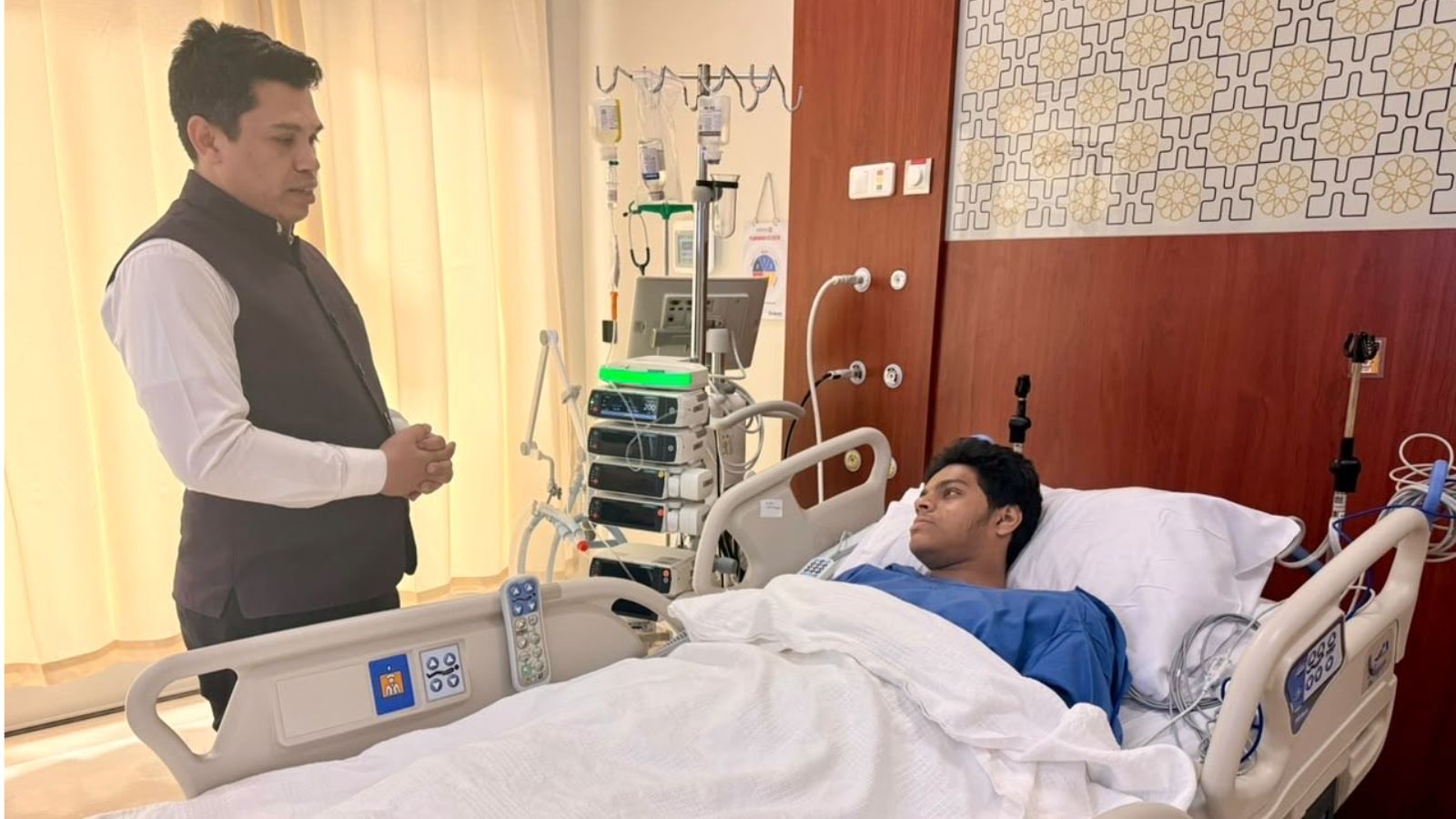
Three Indian nationals found themselves fighting for their lives in intensive care units following security incidents at the Riyadh airport. While official statements from the Indian Embassy confirmed they are in stable condition, the reality of managing sudden international medical crises under hostile circumstances exposes a harsh truth. Most travelers and expatriate workers are entirely unprepared for what happens when regional volatility knocks on their door. Building on this idea, you can find more in: Why Iran Claims the US Caved on Its Conditions.
The Reality of Expatriate Vulnerability
Millions of citizens live and work across the Gulf region. They build careers, send remittances home, and assume standard airport security and international protocols will protect them.
Then things change in seconds. Experts at The Washington Post have provided expertise on this trend.
When infrastructure faces threats, the immediate burden falls on local medical staff and consular officials. Getting caught in the crossfire of geopolitical friction is a terrifying ordeal. For the families back home, the information gap creates hours of agony. Embassy updates offer a lifeline, but they often arrive too slowly.
Communication lines strain under the weight of panic. Consular staff work around the clock, yet bureaucratic hurdles and logistical nightmares slow down emergency evacuations or specialized care transfers.
What the Official Response Actually Means
When an embassy labels critical patients as stable, it translates to a specific medical status. It means immediate life-saving interventions worked. The worst-case scenario has receded, but long recovery roads lie ahead.
Yet, stability in an intensive care unit does not equal a quick trip home. Air ambulances require clearance, medical coordination, and massive financial backing. Many employers provide basic health coverage, but cross-border medical evacuation during security crises exposes coverage gaps.
If you or a loved one work abroad, you need to understand your organization's emergency extraction policy right now. Do not wait for an incident to read the fine print.
Preparing for the Unthinkable Abroad
Living overseas demands a different level of situational awareness. You cannot control regional conflicts or sudden airport attacks, but you can control your emergency readiness.
Keep physical copies of your passport, work permits, and emergency contacts in a secure place that you can grab instantly. Register with your home country's embassy or consulate immediately upon arrival in any foreign nation. Many travelers skip this step, assuming it is bureaucratic red tape. When local communications fail or hospitals lock down, registered citizens receive priority checks and evacuation alerts.
Check your health insurance policy to verify if it covers emergency medical repatriation. Standard travel insurance often excludes regions experiencing active security alerts or military engagement.
Geopolitical risks are real. Knowing your rights, keeping your documents accessible, and staying in close contact with your diplomatic mission can mean the difference between chaos and survival when the unexpected happens.