The air inside a campaign headquarters on primary night smells distinct. It carries a heavy mix of cold coffee, printer ink, and the nervous sweat of volunteers who have spent months knocking on doors that were often slammed in their faces. Outside, the streetlights flicker against a humid evening. Inside, eyes remain glued to glowing screens, watching numbers tick upward like a slow-moving tide.
For a long time, the script of local politics felt unchangeable. Certain names belonged at the top of the ballot. Certain ideologies held an unshakeable lease on institutional power. You learned to live with the quiet friction of choosing between shades of the same established consensus. Change, when it was promised, usually arrived as a whisper that faded before it reached the legislature.
Then the math shifts.
When election returns begin to solidify, the atmosphere in the room transforms instantly. Stunned silence gives way to a sharp, collective breath, followed by cheers that rattle the drywall.
Headlines across the state quickly scramble to categorize what just happened. They reach for words like upset or surprise, as if political momentum is a weather pattern that arrives completely unannounced. But surprises in politics are rarely spontaneous. They are built slowly, brick by brick, by people who refuse to accept that the status quo is permanent.
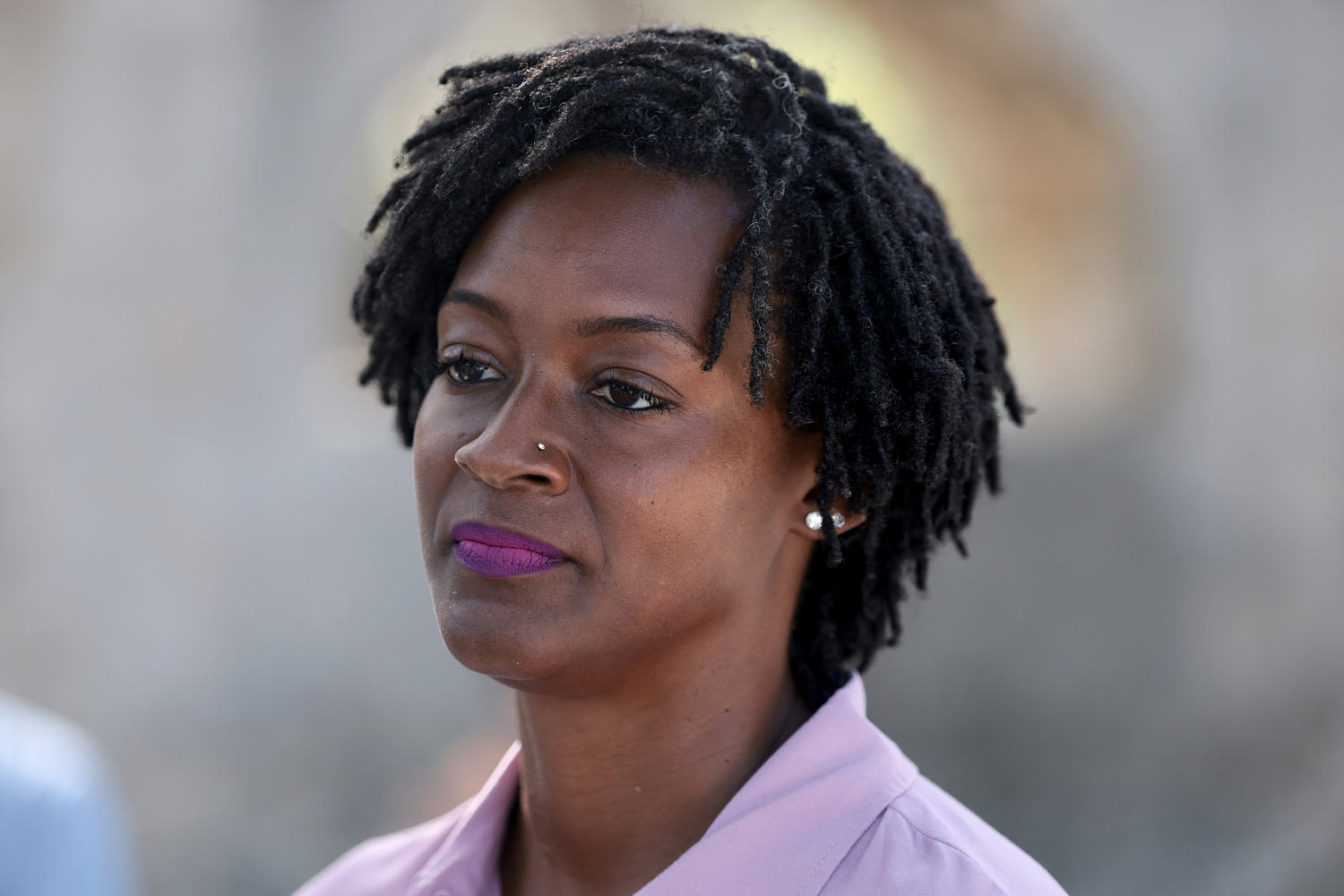
To understand what happened in Florida’s Democratic Senate primary, where democratic socialist Angie Nixon secured a notable victory, you have to look past the top-line numbers and examine the machinery of modern political organizing.
Elections are ultimately contests of visibility. For years, marginalized communities within major party structures often felt invisible, their concerns treated as secondary priorities behind safe, centrist strategies. When campaigns lean heavily on grassroots mobilization rather than corporate donor networks, the entire dynamic alters. Volunteers do not just hand out flyers; they tell stories on front porches. They talk about rent increases, neighborhood disinvestment, and the daily exhaustion of trying to keep up with a cost of living that far outpaces local wages.
Consider the mechanics of how this unfolds on the ground.
A voter opens their front door after a long shift. They expect a sales pitch or a generic political mailer disguised as a human being. Instead, they find a neighbor asking a radical question: What do you actually need your government to do for you?
That single question breaks the trance of traditional political disengagement. It shifts the voter from a passive consumer of political advertising into an active participant in a shared project. When that happens across thousands of households, the old guard mathematics fail. Established endorsements and massive campaign treasuries cannot easily compete with a network of deeply motivated neighbors who believe their daily struggles are finally being seen.
The victory in this primary is not merely a data point in a political science textbook. It is a reflection of a changing electorate—one increasingly willing to challenge conventional wisdom about electability and platform design. Critics often warn that bold ideological shifts are a liability. Yet, results like this demonstrate that a clear, uncompromised vision can galvanize voters who otherwise might have stayed home, convinced that politics has nothing to offer them.
Navigating the aftermath of such a primary requires looking at official resources to track how the broader political landscape responds. For those tracking the certified outcomes and official vote tallies as they are finalized by election officials, checking the Florida Division of Elections portal offers the definitive record of the vote. Similarly, local oversight and county-level breakdowns can be verified through the Duval County Supervisor of Elections website, which manages the specific logistics of the district where these dynamics played out.
The evening air cools as the celebration spills out onto the pavement. The signs are packed away, the laptops closed, and the exhaustion finally catches up with the room. But the underlying reality remains. A door was pushed open that many insisted was permanently locked.
Power does not yield easily. It protects its own habits, its own language, and its own traditions. Yet, history is shaped by the moments when those habits run aground against the stubborn insistence of ordinary people demanding a different future. The returns are tallied. The path forward is uneven, contested, and entirely uncertain. But the baseline has moved, and politics will never look quite the same again.