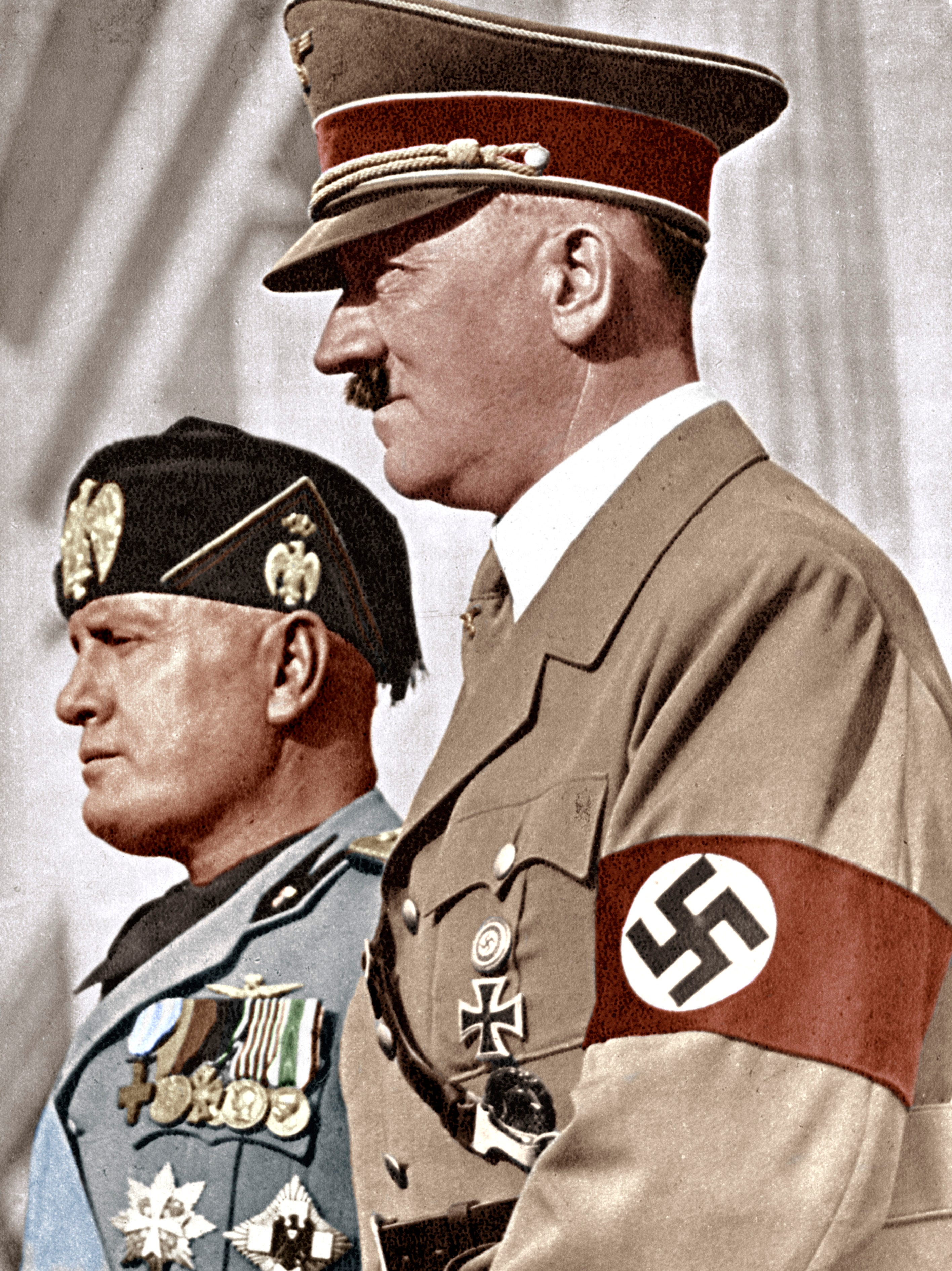
The ghost of Benito Mussolini does not haunt Italy in the shadows of hidden crypts or secret societies. It sits in plain sight, etched into marble facades, embedded in bureaucratic infrastructure, and quietly normalized in the cultural memory of a nation that never underwent a true reckoning. More than eighty years after his violent death at the hands of communist partisans, Il Duce's enduring footprint reveals a disturbing truth: societies rarely purge authoritarianism if the trains continue to run on time.
Understanding why fascism's original architect retains a bizarrely sanitized reputation requires looking past the caricature of the jaw-jutting orator. Unlike Germany, which tore down its Nazi symbols and subjected its populace to a generation of aggressive de-Nazification, Italy took a different path. The transition from fascist dictatorship to postwar republic was managed through calculated amnesia. Too many judges, bureaucrats, police chiefs, and industrialists who served the regime kept their desks when the dust settled. They simply swapped their black shirts for pinstripe suits, ensuring that the institutional DNA of the state remained intact.
Take, for instance, the physical infrastructure of modern Italy. Drive through Rome's EUR district, step inside the cavernous halls of Milan’s central railway station, or visit countless municipal post offices and provincial schools across the peninsula. You are walking through the monumental architecture of the ventennio fascista. These buildings were engineered not merely to function, but to dwarf the individual citizen and project absolute state supremacy. By integrating these structures into daily municipal life, Italy normalized the aesthetics of totalitarianism. A citizen buying stamps beneath fascist-era bas-reliefs stops seeing the ideology and starts seeing civic utility.
This normalization bleeds directly into political discourse. While explicit praise of Adolf Hitler remains a profound social and legal taboo in Germany, nostalgia for Mussolini occupies a strange, tolerated gray area in Italian public life. For decades, the Italian Social Movement—founded by unrepentant fascists in the immediate postwar years—served as a legitimate parliamentary bridge. Over time, successive generations rebranded this political lineage, bringing post-fascist parties into the halls of mainstream governance. When politicians can casually reference historical slogans or minimize racial laws without facing immediate political obliteration, it proves that the immunological response of Italian democracy against authoritarianism remains weak.
Consider the persistent myth of italiani brava gente—the comforting national fiction that Italians were essentially good-hearted people who merely suffered under a brief spell of bad leadership, distinct from their brutal German allies. This narrative glosses over the reality of colonial atrocities in Libya and Ethiopia, the enthusiastic implementation of racial laws in 1938, and the domestic enforcement of fascist doctrine by ordinary citizens. By externalizing the worst horrors of the regime onto Hitler, Italy successfully preserved a sanitized version of its own past.
Beneath this historical whitewashing lies a deeper economic vulnerability. Authoritarian appeal rarely relies on ideology alone; it feeds on institutional failure. When democratic governments stumble through perpetual economic stagnation, political gridlock, and bureaucratic inertia, the authoritarian temptation re-emerges as a craving for decisiveness. Mussolini understood that collective exhaustion is a dictator's best ally. Whenever modern populist movements invoke the strongman trope, they are tapping into a deeply ingrained historical preference for centralized, unconstrained executive power over messy democratic consensus.
The legacy survives because it was never treated as a foreign intrusion. Fascism grew natively from the fractures of a young, unified Italy struggling with regional divides and class warfare. Until a society confronts its foundational myths with absolute, unyielding candor, the ghost will remain at the table.
Rise of neo-fascist groups in Italy, Mussolini legacy still resonates with some
This video explores how contemporary political movements and fringe groups in Italy continue to draw inspiration from Benito Mussolini's enduring historical footprint.
http://googleusercontent.com/youtube_content/1