Fluorescent lights hum in the windowless press corridors of Washington, a low, steady buzz that has accompanied reporters through decades of presidents, crises, and quiet Tuesdays. You feel it in your teeth after ten hours on your feet, waiting for a door to open that might not open for you. Coffee goes cold in paper cups. Phones vibrate on folding tables. People whisper across rows of worn chairs, trading scraps of rumor and waiting to see who gets called on when the cameras flare.
Standing outside that room is never just a logistical detail. It is a test of whether the public gets to watch the referee or only the scoreboard. When a federal judge issues a longer-term ruling blocking an effort to bar a media outlet or reporter from White House access, the headline sounds procedural, dry, almost technical—something buried between tax filings and committee schedules. Yet underneath the docket numbers and legal citations sits a question anyone who has ever tried to speak truth to power recognizes immediately: who decides who gets to stand in the room and ask the uncomfortable question?
I have spent years reporting from rooms where access was currency and silence was survival. Not always in the White House—sometimes in cramped city council chambers, sometimes outside courthouse steps in freezing rain, sometimes sitting across from officials who smiled until the recorder turned on and then suddenly remembered an urgent meeting. You learn quickly how fragile public visibility is. One revoked credential, one locked door, one policy shift framed as "order" or "decorum," and the story changes shape before a single word is typed.
Let’s be honest about how confusing this territory can feel. When a court steps in with a longer-term decision—whether a preliminary injunction, an extended order, or a substantive ruling halting a ban on White House media access—most people don’t wake up eager to parse civil procedure. Terms like "standing," "viewpoint discrimination," "due process," and "irreparable harm" sound like Latin spells cast by people in black robes. I have sat through briefings where even seasoned reporters paused to ask what a judge’s order actually meant for tomorrow morning’s briefing. Uncertainty makes people cynical. It tempts us to shrug and say, "Oh, lawyers arguing again," right when the stakes are closest to our own kitchen tables.
That shrug is the real danger.
Why a Locked Door Changes What You Know
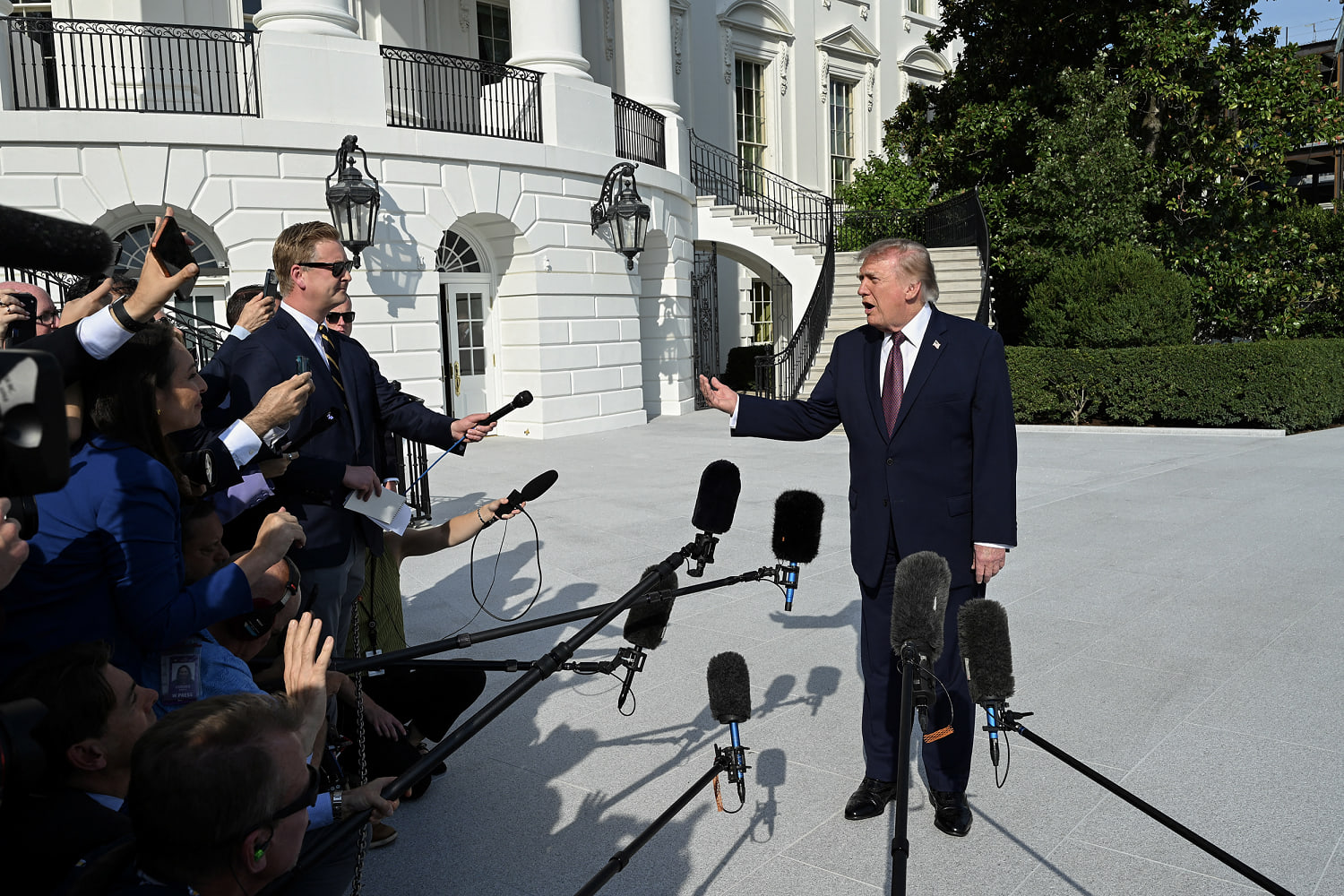
Think of the White House press corps not as a fan club or a pack of gladiators, though it occasionally resembles both, but as a proxy for you. You cannot walk up to the West Wing gate on a random Tuesday afternoon and ask why a policy is costing your family more at the grocery store, why a regulation was delayed, or what a statement actually means in practice. You don't have the time, the clearance, or the hours to stand in a hallway waiting for a three-second answer. Reporters do that legwork on behalf of citizens who have jobs, kids, and lives to live.
When an administration moves to ban a media organization or individual journalist from White House access, it rarely announces the move as an attack on accountability. It usually sounds neat. Tidier. More disciplined. Maybe it’s framed around conduct, space constraints, tone, or a new set of press rules. On paper, a ban can look like a petty skirmish between powerful institutions—a president and a network, a press secretary and a correspondent.
(Note: The following character and scene are hypothetical, constructed to illustrate how access decisions play out on the ground.)
Picture Clara, a beat reporter in her late thirties who covers domestic policy for a mid-sized newsroom with tight budgets and long hours. She isn't a cable television star with hair and makeup waiting in a green room. She’s the person reading three-hundred-page agency notices at midnight so readers don't have to. One morning, her editor calls with a piece of paper that says her White House pass or press-area access has been suspended under a new restriction.
Clara doesn't lose her voice overnight. She still has a phone. She still has sources who text on encrypted apps. She can still watch a livestream from three miles away.
Watch what happens next.
Instead of standing ten paces from an official when a contradictory answer drops, she is watching a compressed feed on a laptop screen. Instead of catching the unscripted remark as someone walks toward a motorcade, she gets the polished line ten minutes later from a press release. Instead of her newsroom having eyes in the room during a fast-moving event, her outlet is one step slower, one angle narrower, forced to rely on secondhand accounts from competitors who were allowed to stay.
Multiply Clara by dozens of reporters across dozens of outlets, and you begin to see the geometry of access. Control the room, and you influence which questions are heard in real time. Control who enters, and you shape which perspectives become normal and which ones get treated as outsiders.
What a Longer-Term Ruling Actually Does
A temporary pause is one thing; a longer-term judicial decision blocking a White House media ban carries a heavier weight. In plain terms, when a federal judge extends protection or issues a longer-term order halting a ban, the court is saying the challenge isn't frivolous or fleeting—the legal questions are serious enough, and the potential harm to press access and constitutional principles significant enough, that the restriction cannot simply stay in place while the fight plays out.
Courts don't hand out blocks lightly when the executive branch claims authority over its own spaces. Judges are cautious institutions. They weigh separation of powers, national security or operational needs, and precedent. When a judge steps in with a longer-term block, it usually signals that limiting access based on disfavored reporting or viewpoint—or bypassing fair standards—clashes sharply with First Amendment protections and basic fairness principles.
Consider a simple analogy. Suppose a town decides to hold public budget meetings in a room with fifty chairs, and the mayor announces that any resident who criticized last year’s property tax hike can no longer sit inside—they have to watch a muffled speaker in the lobby. Even if the mayor insists the room is "better behaved" without them, a court looking at that setup has to ask whether the town is managing space or punishing speech.
That is the core tension at the heart of White House media disputes. Presidents and their aides have legitimate interests in security, logistics, and running orderly events. Nobody sensible argues that chaos helps the public learn anything. Yet there is a canyon between keeping order and picking winners and losers among the press based on whose coverage the office likes.
History has seen this tug-of-war before, across parties and decades. Tensions between the presidency and the press are almost as old as the republic itself. Presidents have complained about unfair coverage since the earliest newspapers; reporters have complained about spin and stonewalling just as long. Friction is built into the job description on both sides. When the friction turns into formal exclusion, though, the argument stops being about hurt feelings and becomes a constitutional boundary line.
The Invisible Stakes Behind the Legal Fight
Why should someone far outside the Beltway care whether a court blocks a ban on White House press access?
Because power rarely stops at the first door it closes.
Today it is a reporter or outlet covering the White House. Tomorrow, in another town or another agency or another administration, a local official or state agency points to that precedent and says, "Well, we can restrict who gets credentials or who gets into public briefings too." Norms are contagious. Once exclusion becomes an accepted tool rather than an exception met with fierce pushback, the habit spreads downward.
I remember covering a local story years ago where officials barred a small community newspaper from a press briefing because the paper had published a series on no-bid contracts. The officials claimed the reporter had been "disruptive." In reality, the reporter had asked numbers questions no one wanted to answer on camera. When other outlets didn't push back hard enough at first, those same officials grew bolder—limiting records, delaying calls, treating basic accountability as hostility. It took months of pushback and legal pressure to restore normal ground rules.
That is what happens when access is treated as a favor rather than a public trust.
There is also a quieter cost to the public that doesn't show up in a courtroom transcript: information asymmetry. When only friendly or compliant voices stay close to the action, the public gets a smoother story—and a thinner one. Friction produces detail. A sharp, inconvenient question forces an official to clarify an evasion or defend a weak premise. Without that friction, talking points float unchallenged into evening broadcasts and morning feeds.
Doubt is healthy here. You don't have to romanticize every reporter or every newsroom to see the value of the rule. Media outlets make mistakes. Headlines can be sensational. Reporters can be aggressive, repetitive, or wrong, and readers are right to hold them accountable too. A free press isn't a choir of saints; it is a messy, noisy ecosystem where competing outlets watch each other and watch the government.
When the government gets to curate which journalists are allowed near power, it tilts the playing field before the game even starts.
Why Judges Hesitate—and Why This Ruling Matters
Some readers will naturally wonder: Doesn't the White House have broad authority over who comes and goes?
That question gets right to the nerve of the dispute. The executive branch does have wide latitude in running its operations and protecting security. That is why these cases aren't slam dunks for either side and why legal battles over White House access can twist through motions, appeals, and procedural arguments for months or even years.
A longer-term ruling blocking a ban doesn't mean every dispute ends forever with a single stroke of a gavel. Appeals happen. Stay requests get filed. Legal theories get tested before higher courts. Anyone who tells you a trial court order is the final word on every future clash is oversimplifying a slow, grinding process.
Still, a longer-term block matters enormously in the moment. It preserves a baseline rule while the law is tested: you cannot simply sweep aside a disfavored outlet or journalist at will and leave them locked out while the courts take their time. It keeps the door cracked open when it would otherwise be slammed shut.
Think about what a slammed door feels like when you're on the outside. The sound is dull and final. You hear voices muffled on the other side, decisions being made, history being narrated by whoever stayed inside, while you stand in the hall wondering what you missed.
A court order halting a ban doesn't magically fix every tension between politicians and the press. It doesn't turn every briefing into a model of clarity or cure every bias on either side. What it does is something much more foundational: it reminds the people in charge that the press room does not belong to the officeholder. It belongs to the public's right to know what is being done in its name.
Out in the hallway, the fluorescent lights keep humming. Chairs scrape against linoleum. A notebook flips open, a pen clicks once, and someone steps forward to ask the question that was almost never asked at all.