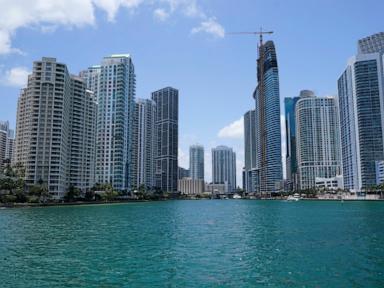
Maritime fatalities rarely result from isolated equipment failures. They occur when operational oversights, structural design flaws, and individual negligence align simultaneously. The guilty plea of tugboat captain Yusiel Lopez Insua following the July 28, 2025 collision in Biscayne Bay—which resulted in the deaths of three children—exposes the compound vulnerabilities inherent to commercial shipping in shared recreational channels.
A rigorous analysis of federal court filings and maritime incident data reveals how three distinct breakdown vectors converted a routine commercial transport maneuver into a catastrophic event.
The Tripartite Failure Framework
The Biscayne Bay incident demonstrates a systemic breakdown across three operational layers: physical visibility, crew allocation, and operator attentiveness.
[Visibility Obstruction] + [Zero Lookout Deployment] + [Distracted Navigation]
                                    │
                                    ▼
                     [Catastrophic Safety Failure]
1. Visual Blind Spots and Mass Disparities
Commercial tug-and-barge configurations present severe forward-visibility limitations. Insua was operating a 25-foot tugboat pushing a 108-foot barge loaded with construction debris, yielding a combined displacement of roughly 149 gross tons. The vessel’s forward sightline was completely obstructed by a deckhouse and crane structure mounted on the barge.
Physics dictates the severity of impacts in restricted waterways:
- Mass Differential: A 149-gross-ton barge pushing through water possesses momentum orders of magnitude greater than a lightweight recreational dinghy.
- Stopping Distance: Pushed barges cannot stop or alter course rapidly due to hydrodynamic drag and linear inertia.
- Hydrodynamic Suction: When a large barge collides with a smaller vessel, the displacement forces the smaller hull downward beneath the bow rather than pushing it aside, creating an immediate drowning hazard.
2. Crew Allocation and Breach of COLREGs
Rule 5 of the International Regulations for Preventing Collisions at Sea (COLREGs) mandates that every vessel must maintain a proper look-out by sight and hearing at all times using all available means.
When a vessel’s primary steering position suffers from obstructed vision, assigning a dedicated bow lookout becomes a legal requirement rather than an operational preference. Operating a 149-gross-ton pushing arrangement without a dedicated lookout placed forward creates an unmitigated blind zone directly in the path of travel.
3. Digital Distraction and Cognitive Load
Forensic examination of Insua's mobile device revealed active internet usage during transit leading up to the moment of impact. Cognitive distraction reduces situational awareness and delays reaction time. In a high-density, low-margin environment like Biscayne Bay, a delay of even ten seconds eliminates the opportunity to execute evasive maneuvers or reverse propulsion.
The Anatomy of the Collision Sequence
The timeline of events illustrates how a static hazard combined with a moving blind spot to create an inescapable entrapment zone:
- Vessel Immobilization: A sailboat carrying a 19-year-old counselor and five campers aged 7 to 13 lost wind, leaving the vessel stalled and unable to maneuver out of the commercial channel.
- Unseen Approach: Due to the deckhouse obstruction and the lack of a forward lookout, the tugboat operator remained unaware of the stalled sailboat directly ahead.
- Submersion and Trapping: Upon collision, the barge’s hull pushed the sailboat downward. While the counselor and two campers escaped the resulting suction, three campers were trapped underneath the submerged wreckage.
US Coast Guard statistics indicate that out of over 550 recreational boating fatalities annually, fewer than 10 percent stem directly from vessel-to-vessel collisions. The vast majority of collision-related deaths occur when structural disparities cause total submersion or catastrophic structural failure upon impact.
Legal Precedent and Prosecutorial Mechanics
Federal prosecutors charged Insua under Title 18, United States Code, Section 1115, commonly known as the Seaman's Manslaughter Statute.
Lower Threshold of Criminal Intent
Unlike standard criminal manslaughter charges requiring proof of gross negligence or reckless disregard for human life, 18 U.S.C. § 1115 requires only simple negligence or misconduct to establish guilt. The statute was explicitly enacted to hold commercial mariners strictly accountable for operational oversight.
Plea Structure and Sentencing Reality
While the statute carries a maximum penalty of 10 years in federal prison, the negotiated plea agreement recommended a sentence of 12 months in prison followed by six months of home detention. Judicial approval remains required, but federal sentencing guidelines frequently weigh the defendant's admission of guilt and lack of prior criminal record against the fatal consequences of the infraction.
Operational Redundancy Protocols for Shared Waterways
Preventing similar occurrences in congested mixed-use waterways requires implementing strict operational constraints rather than relying solely on post-incident prosecution.
- Mandatory Electronic Proximity Monitoring: Implementing mandatory Automatic Identification System (AIS) transponders and forward-looking marine radar with automated target tracking (ATPA) on all commercial craft operating in recreational zones.
- Physical Lookout Verification: Requiring commercial tug operators to log digital verification of an active bow lookout prior to unberthing any vessel configuration with obstructed forward sightlines.
- Geofenced Device Restrictions: Establishing company-level software lockouts on personal electronic devices for operators actively piloting commercial vessels in designated high-traffic channels.
Commercial operators must audit their fleet visual profiles and enforce zero-tolerance policies for single-operator navigation on obstructed configurations. Relying on passive visibility in mixed-use channels remains a critical failure point.