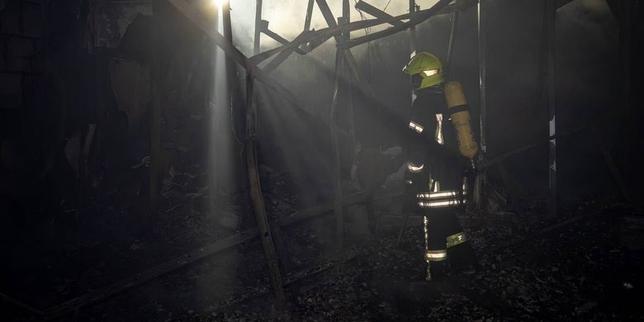
Darkness arrives differently in a dense city. In the countryside, night falls like a velvet curtain, slow and expected. In Hong Kong, an urban blackout is a sudden theft. One moment, neon bleeds through double-glazed windows, air conditioners hum a steady, rhythmic bassline, and elevators glide silently between floors. The next moment, absolute stillness.
That sudden silence claimed the neighborhood of Ho Man Tin.
Imagine sitting at your kitchen table at dusk, a cup of tea cooling beside your laptop, when the refrigerator clicks off. The digital clock on the microwave blinks out entirely. Within seconds, the streetlights outside stutter and die, plunging a bustling thoroughfare into an eerie, shadow-heavy quiet. This was the reality for roughly one thousand households and a local hotel when an unexpected power outage struck the district, severing the invisible electrical lifeline that modern life depends on so completely.
Power is something we only notice when it vanishes. We treat electricity like oxygen—invisible, weightless, and entirely taken for granted until it stops flowing.
When the grid failed in Ho Man Tin, the immediate impact rippled outward in concentric circles of disruption. Traffic lights went dark, turning busy intersections into chaotic games of chicken for drivers and pedestrians. Elevators froze between floors, trapping residents in sudden, airless boxes. For the guests checked into the local hotel, vacation plans or business trips dissolved into confusion as keycard systems failed, emergency generators kicked on with a low, vibrating groan, and Wi-Fi networks collapsed into uselessness.
To understand why a localized outage matters so much, we have to look past the copper wires and transformers. We have to look at the people holding the flashphones, wondering how long the milk in the fridge will last, and checking their battery percentages with mounting anxiety.
Consider a hypothetical resident we will call Mrs. Wong, living on the fifteenth floor of an older residential tower in the district. When the lights cut out, her first instinct is annoyance. She reaches for her phone to check the local news channels, but the cellular towers quickly become congested as thousands of neighbors do the exact same thing. Her annoyance hardens into worry. She has groceries bought just hours earlier. She has an elderly neighbor down the hall who relies on a machine that requires a steady current to assist with breathing.
In a vertical city, a power outage is not just an inconvenience. It is a vertical prison. When the lifts stop, the stairs become the only option—a grueling, pitch-black climb for anyone carrying groceries, pushing strollers, or battling bad knees.
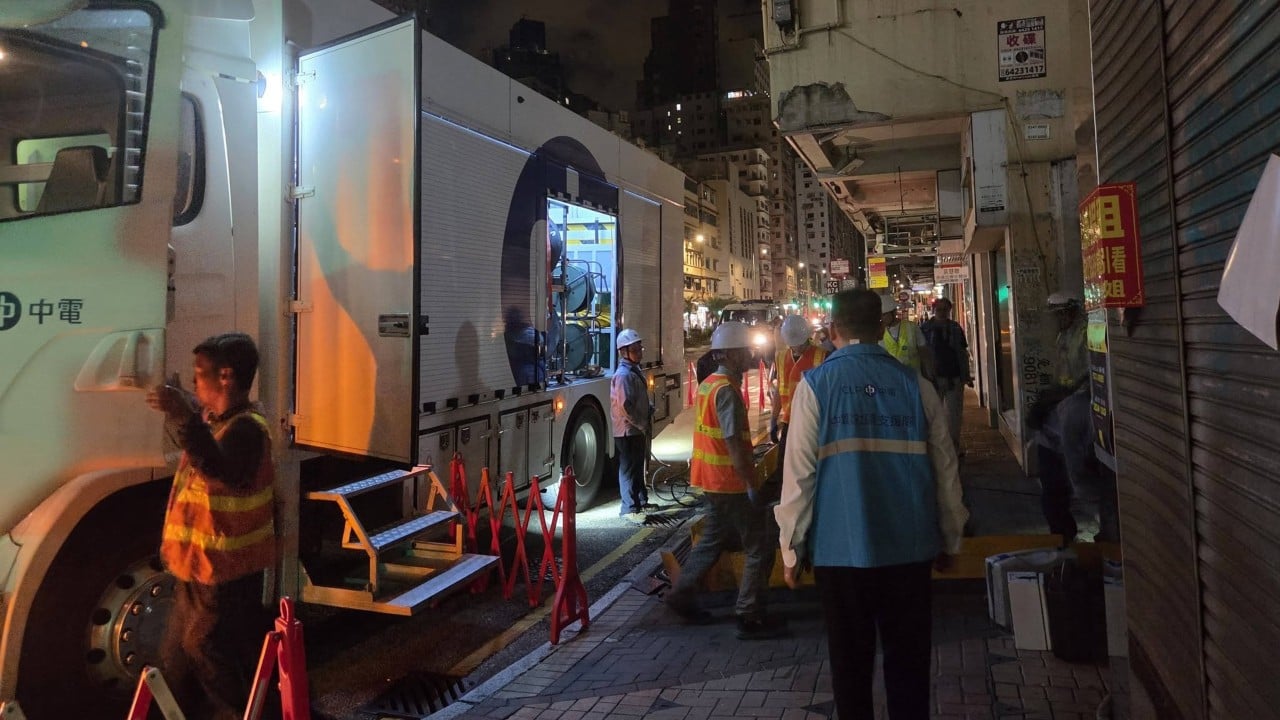
Behind every sudden blackout lies an infrastructure story. Cities like Hong Kong are marvels of engineering, woven together by miles of underground cables, sub-stations, and monitoring systems designed to handle immense electrical loads. Yet, aging components, unexpected equipment faults, or sudden surges can pierce even the most robust safety nets. Engineers rush to the scene, working in cramped subterranean spaces or beside roaring traffic lanes, tracing circuits by flashlight to find the exact point of failure. It is high-stakes detective work performed under pressure, where every minute saved reduces community frustration and potential danger.
By morning, power usually returns. The lights snap back on with a sudden, aggressive brightness. The refrigerator hums back to life. Elevators chime and open their doors. Life resumes its dizzying, relentless pace.
Yet, the aftertaste of vulnerability lingers. We step back into our brightly lit apartments, plug in our devices, and try to forget how fragile our daily routines truly are. We are tethered to invisible grids, trusting that the unseen machinery of the city will hold us up while we sleep, work, and dream high above the pavement. And most days, it does. But every once in a while, the lights go out, reminding us just how thin the wire really is.