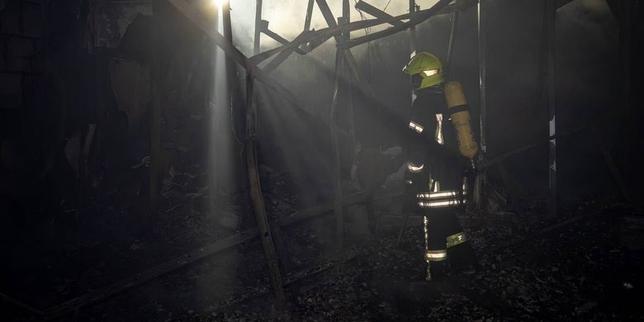
Every single morning, the media machine rolls out another live-blog update. Sirens in Kyiv. Interceptions over Odesa. Structural damage, shattered glass, wounded civilians, and a neat little tally of incoming projectiles versus outgoing interceptors. It reads like a sports box score for an apocalypse.
This daily ritual of tactical voyeurism is worse than useless. It is actively making the public dumber about what is actually happening on the ground.
When you consume conflict through an hourly ticker of overnight explosions, you are trained to view a multi-year interstate war through the lens of a localized police blotter. You focus on the flash, the noise, and the immediate casualty count. Meanwhile, you miss the cold, unromantic math that will actually determine how this war ends: cost-asymmetry curves, industrial manufacturing bottlenecks, and systemic economic endurance.
Let us dismantle the lazy consensus dominating current coverage.
The Cost-Asymmetry Trap
The most glaring analytical failure in mainstream reporting is the obsession with intercept rates. Every time an air defense battery knocks down a barrage of drones or missiles, television networks treat it as an unmitigated victory. Militarily, it is often a slow-motion trap.
Look at the unit economics. A long-range precision cruise missile or a swarm of low-cost loitering munitions can be manufactured in a foreign partner state for a fraction of what it costs to produce a modern surface-to-air interceptor. When an advanced defense system expends multiple interceptors worth millions of dollars apiece to neutralize cheap, mass-produced hardware, the defender is winning the tactical engagement while losing the economic war of attrition.
I have watched defense analysts model these consumption rates for years, and the trajectory is terrifying. Peace-time procurement models cannot keep pace with high-intensity expenditure. Western defense primes operate on quarterly margins, optimized for efficiency, lean supply chains, and low-volume, high-margin production. They are built for peace. They are stumbling through a war of mass.
When a headline screams about a successful overnight air defense performance over Kyiv, it fails to mention the inventory depletion curve behind the scenes. If you burn through a year of specialized rocket production in three months of heavy nocturnal bombardments, you are facing a cliff. Pretending that intercept percentages tell the whole story is financial and strategic illiteracy.
The Geography of Misdirection
Why do Kyiv and Odesa dominate the ticker week after week? Because they are media hubs and maritime gateways. They generate the footage that feeds the algorithmic beast.
Yet, treating these urban centers as the sole barometers of national survival distorts reality. Odesa matters because of grain export corridors, maritime logistics, and economic arteries. Kyiv matters because of political gravity and command infrastructure. But the true theater of decision is distributed across thousands of miles of logistics networks, power substations, regional rail yards, and industrial supply lines that never make the front page of a live-blog feed.
Focusing on the theatrical strikes against high-profile cities blinds casual observers to the quiet, grinding realities of regional logistics. A power grid is not destroyed in a single cinematic explosion; it degrades through cumulative, systemic stress on transformers, switching stations, and repair part supply chains. By the time a city goes dark or a factory halts production, the breaking point was reached months prior during unheralded, un-televised logistical grinds.
The Industrial Reality Check
The mainstream narrative loves to frame weapon deliveries and military aid packages as immediate turning points. Politicians hold press conferences announcing billions in backing, and headlines celebrate the arrival of sophisticated hardware.
This is an illusion designed for domestic political consumption.
Hardware without logistics is scrap metal. Hardware without trained maintenance crews, specialized diagnostic tools, spare parts pipelines, and secure repair facilities is a temporary gimmick. A modern high-tech anti-air battery is not a plug-and-play video game asset. It requires a massive teeth-to-tail support structure.
When a system is damaged or experiences regular wear and tear in the field, it does not get fixed overnight. It requires shipping back across international borders to specialized maintenance hubs in neighboring states, taking weeks or months out of service. The logistics tail required to keep complex systems operational in a high-attrition environment is staggering.
Media outlets rarely report on the non-functional assets sitting in repair yards waiting for circuit boards or hydraulic seals. They report the delivery photo-op, completely ignoring the grueling friction of sustainment. If you judge a military's operational capacity by the press releases of its political sponsors rather than its unglamorous supply chain depth, you are living in a fantasy world.
Breaking the Information Loop
The continuous cycle of breaking news creates a distorted psychological state for the observer. It induces an adrenaline-fueled addiction to tactical updates while starving the intellect of strategic context.
When you check hourly updates to see if a specific city was hit last night, you are reacting to events rather than understanding forces. You are letting tactical actors dictate your focus.
If you want to understand where this conflict is heading, stop reading the overnight casualty logs. Look instead at industrial manufacturing output reports from participating economies. Look at labor force demographics, displacement rates, fiscal deficit financing, and energy infrastructure redundancy. Look at the raw tonnage of raw materials moving across borders.
The war is not being won or lost in the dramatic flashes over a cathedral dome in Odesa. It is being decided in factory floors, bureaucratic procurement offices, central banks, and logistical depots where no cameras are allowed to film.
Next time you see a live feed counting down missiles and injuries, remember that you are watching the smoke, not the fire. The fire is burning down the economic foundations of both sides, and the side that runs out of money, parts, and industrial willpower first will lose. Everything else is just noise.