Read the headline again. Look at what gets bolded. Look at what gets left out.
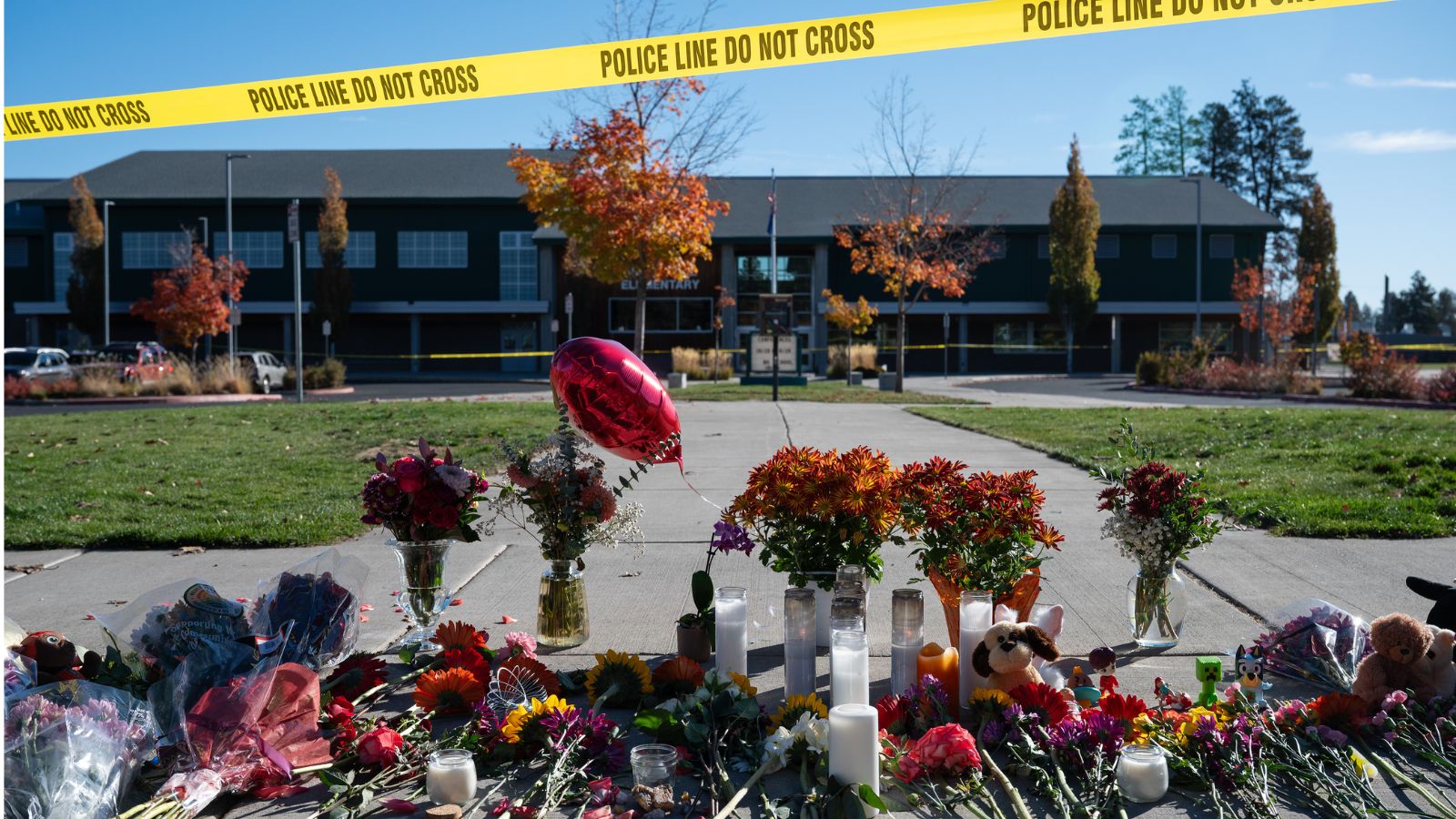
When an Oregon school shooting happens and a 16-year-old shooter is named while the story centers on a mother buying the weapon, the news cycle locks into a familiar groove. Name the suspect. Trace the gun back to the household. Debate the parent. Move on to the next tragedy. Recently making headlines recently: The Five-Day Press Tenure Why Vetting Failure Destroys High-Velocity Roles.
That is lazy reporting. Worse, it is a distraction from the mechanics that actually allowed a teenager to carry out an attack at school.
Naming the shooter and fixing the spotlight on who bought the gun feels like accountability. It gives readers a face to blame and a clear line of possession. Yet treating the gunman's identity and the mother's purchase as the core of the story skips the harder questions about how warning signs are handled, how access is secured in daily life, and why prevention systems keep failing before the first shot is fired. More details on this are covered by TIME.
The Headline Trap Everyone Falls Into
Breaking news rewards speed and simplicity. A single name and a single purchase fit neatly into a push alert. Once those details are published, coverage tends to harden around two competing habits: sensationalizing the teenager or turning the mother into a villain.
Both habits miss the bigger picture. They reduce a complex failure of supervision, intervention, and environment into a single transaction or a single biography.
I have spent years watching organizations, schools, and institutions chase easy answers after high-profile crises. I have seen leadership teams pour time and money into surface-level fixes while ignoring the quiet breakdowns happening right in front of them. When people look for a single villain, they stop looking at the chain of events that made the outcome possible.
Let's be precise about what a headline actually tells us. Identifying a suspect establishes who allegedly acted. Noting that a mother bought a firearm establishes how a legal purchase or household transfer may have entered the picture. Neither fact, on its own, explains how a minor moved from distress or grievance to an armed school attack without being stopped.
Why "Who Bought the Gun?" Is the Wrong First Question
Whenever a minor uses a firearm in a school shooting, the immediate reflex is to ask who bought it and whether they were reckless. That question is not irrelevant, but asking it first—and treating it as the whole answer—lets everyone else off the hook.
Safe storage laws, background checks, and responsible ownership rules exist for clear reasons. Firearms in homes with teenagers require strict physical security and clear boundaries. When a weapon ends up in the hands of a 16-year-old and is brought onto a school campus, something in that chain broke.
Still, stopping at the purchase confuses the origin of the object with the failure of the system around the person. A firearm sitting in a locked safe is not the same thing as a firearm accessible to an unsupervised teen. A teen carrying a weapon into a school is not operating inside a single moment; they are moving through spaces where peers, adults, schedules, and routines intersect.
Consider what criminologists and threat-assessment researchers have documented for decades. Work by researchers such as Dewey Cornell and institutions like the U.S. Secret Service National Threat Assessment Center has consistently shown that targeted school violence rarely comes out of nowhere. In most cases, other people know something is wrong beforehand—through threats, posts, behavioral shifts, or leaked plans—yet that information is fragmented, brushed off, or never routed to someone who can act.
Imagine a scenario where a school district puts all its energy into debating gun laws and blaming parents after a tragedy, while its own reporting system is buried three clicks deep on a website nobody checks, and counselors are too stretched to follow up on concerning behavior. Which gap is easier to argue about on television? The outside purchase. Which gap affects daily life inside the building tomorrow morning? The internal response.
Dismantling the Usual "People Also Ask" Assumptions
When a shooting involves a 16-year-old and a parent's purchase, search engines fill up with predictable questions. Most of them start from a flawed premise or ask for a tidy verdict that reality does not provide.
Were the parents legally responsible?
People ask this because they want moral closure fast. Legal responsibility depends on specific statutes, state law, intent, negligence standards, and the exact facts of how the weapon was stored and accessed. Turning every breaking-news headline into a courtroom verdict before facts are established is a bad habit. Even more importantly, criminal liability for a parent does not automatically create safer schools or better early intervention. Accountability matters, yet punishment after the fact is not a substitute for prevention before the fact.
Why do teenagers get access to firearms at home?
The blunt answer is poor security, misplaced trust, or denial. Adults routinely underestimate what teenagers can figure out, find, or access when they are motivated or in crisis. A hidden spot is not a lock. A conversation is not a safe. Assumptions about a "good kid" or a "quiet kid" have failed families over and over again.
Should schools release the shooter's name?
Here is a brutally honest answer: naming a minor suspect rarely serves public safety, and it frequently feeds notoriety. Public interest in accurate reporting is real, especially when keeping the public informed matters, but turning a 16-year-old's name and backstory into a focal point carries real downsides. Research on contagion and copycat behavior warns against glorifying or centering attackers. Accurate reporting requires accountability and transparency, not sensationalism.
What Real Prevention Actually Requires
If blaming the mother and spotlighting the teen are not enough, what works better? Uncomfortable, unglamorous execution.
- Treat storage as a physical system, not a promise. If firearms are in a home with minors, physical barriers—like a quality lockbox or safe—matter far more than rules or lectures. Keys left in obvious places or codes shared casually defeat the purpose.
- Build low-friction reporting that actually gets answered. Students and staff will not report warning signs if they fear retaliation, doubt anyone will listen, or do not know how to reach help quickly. A reporting channel only works if trained adults review tips promptly and have a clear protocol for assessing risk.
- Separate grievance from escalation. Not every angry comment or dark joke is a plot, and treating every teenager like a threat ruins trust. Effective threat assessment looks at patterns of behavior, fixation, access to weapons, and leakage—not just harsh words.
- Audit communication gaps between home, school, and care providers. Warning signs often show up in pieces: grades slipping at school, withdrawal at home, missed appointments, or sudden shifts in friend groups. When nobody connects those dots, early help arrives too late.
The Trade-Offs Nobody Likes to Admit
Any serious approach to preventing school shootings comes with friction and trade-offs. Pretending otherwise is dishonest.
Stronger physical security at home costs money and requires daily discipline, even when nothing seems wrong. Better threat-assessment practices require training, time, and clear boundaries so schools do not overreach into students' private lives or unfairly single out kids based on stereotypes. Restraint in media coverage requires newsrooms to give up easy clicks and dramatic narratives.
None of that fits neatly into a breaking-news chyron. It is slower, harder, and far less satisfying for people who want a simple villain.
Stop letting lazy headlines set the agenda. Fix the access, connect the warning signs, and hold the real breakdowns to account.