Five Italian divers lost their lives in the Maldives. It’s a headline that stops you cold. When a group of experienced travelers heads to one of the most beautiful underwater spots on the planet and doesn't come back, we have to look at the reality of what went wrong. This wasn't just a freak accident. It was a failure of systems, a reminder of the ocean's indifference, and a tragedy that has left the international diving community reeling.
We often treat the Maldives like a giant, salt-water swimming pool. It’s not. It’s a complex ecosystem of massive currents, deep channels, and unpredictable weather. For these five individuals, a dream vacation turned into a nightmare in the waters near Vaavu Atoll. If you're someone who dives or plans to, you need to understand the mechanics of this disaster. It isn't about scaring you. It's about ensuring you actually know how to survive when things go south.
What Actually Happened at Vaavu Atoll
The group was part of a larger excursion. Reports from the local Maldivian authorities and the Italian consulate confirm the deaths occurred during a deep-water dive. The conditions in the Maldives change in minutes. One moment you're drifting peacefully along a reef, and the next, a "washing machine" current is dragging you toward the open ocean or pushing you down into the depths.
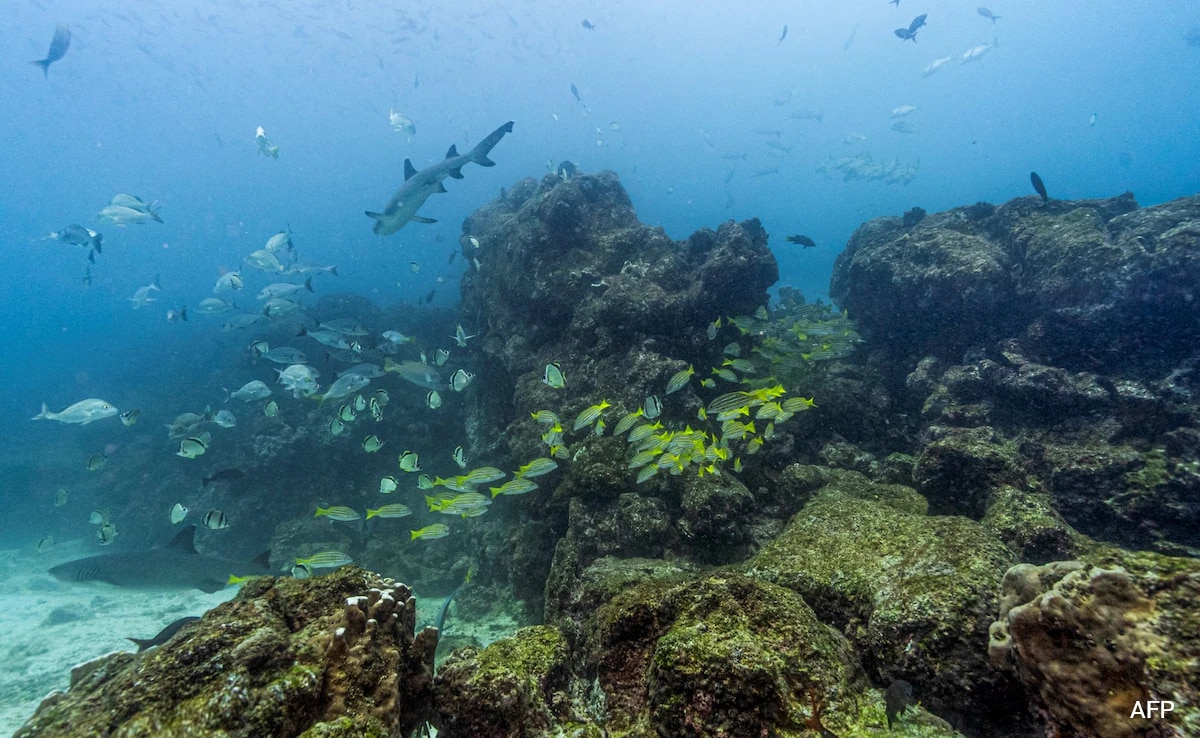
While the official investigation is still checking every tank and regulator, the reality of diving in this region is well-known to professionals. The "Kandu" or channels between the atolls are where the big stuff lives—sharks, rays, and massive schools of fish. But those channels are also where the water moves with terrifying speed. If a group gets separated or caught in a downcurrent, even the best gear in the world won't save you if your training fails.
The victims were identified as part of a tight-knit group. They weren't reckless teenagers. They were adults who loved the sea. But the sea doesn't care about your experience level when the physics of pressure and oxygen take over.
The Myth of the Easy Dive
People think the Maldives is "easy" because the water is 28°C and clear as glass. That's a dangerous lie. In fact, many of the most popular sites in the Maldives require an Advanced Open Water certification at a minimum because of the depth and the flow.
I’ve seen divers with hundreds of logged hours panic when they can’t see the surface or when they feel the "squeeze" of a rapid descent they didn't plan for. When five people die at once, it suggests a collective failure or a catastrophic environmental event that overwhelmed the group. It might have been a "blue water" ascent where they lost their sense of direction, or perhaps they were swept far from their boat into the vast Indian Ocean where rescue becomes a needle-in-a-haystack situation.
Divers often skip the boring stuff. They skip the current check. They trust the dive master too much. They don't carry a Surface Marker Buoy (SMB) or a personal locator beacon. In the Maldives, these aren't optional "extras." They're the difference between being a news story and being a person who has a "crazy story" to tell at the bar later.
Why Five Deaths is a Statistical Anomaly
Scuba diving is generally safe. Statistically, you're more likely to get hurt driving to the airport. But multiple fatalities in a single incident point to a breakdown in the "buddy system" or a group-wide emergency like a gas contamination or a sudden, violent weather shift.
In this case, the Italian victims were found in an area known for its beauty but feared for its power. Local rescue teams from the Maldivian National Defence Force (MNDF) were deployed immediately, but by the time they reached the scene, the damage was done. The sheer scale of this loss has prompted the Italian government to coordinate closely with Maldivian officials to repatriate the bodies and find out if there was negligence involved on the part of the tour operator.
Understanding the Risks of Nitrogen and Pressure
When you're deep, your body is a ticking clock.
- Nitrogen Narcosis: At depths beyond 30 meters, you start feeling drunk. Your judgment vanishes.
- Decompression Sickness: If you fly up to the surface because you're scared, the nitrogen in your blood turns into bubbles. It’s like shaking a soda bottle and popping the cap.
- Equipment Failure: It’s rare, but it happens. If one person has a problem and the others try to help without proper training, you get a "cluster" where everyone ends up in danger.
The Reality of Maldivian Search and Rescue
If you get lost in the Maldives, you're in trouble. The country is 99% water. The MNDF does a great job, but they're spread thin across hundreds of islands. If your boat loses sight of your bubbles and you don't have a way to signal them, you're drifting at the mercy of the Indian Ocean.
The Italian victims were reportedly caught in a situation where the boat couldn't maintain contact. This is a common thread in diving accidents. The surface support is just as vital as the air in your tank. If the captain isn't watching the water like a hawk, or if the divers don't surface where they're supposed to, the window for a successful rescue closes in less than an hour.
Don't Let This Happen To You
You can't control the ocean. You can only control your response to it. This tragedy shouldn't stop people from diving, but it should stop people from being arrogant about it.
First, check your gear. Then check it again. If you're diving in a place like the Maldives, you better have a Nautilus Lifeline or some kind of GPS signaling device on your BCD. It’s a few hundred bucks. Your life is worth more.
Second, listen to the local guides. If they say the current is too "rippy," don't push it. There is no fish worth dying for. The Italian group likely thought they could handle it. Most of us do. But the water is stronger than any human.
Third, stay close. The buddy system isn't just a suggestion for beginners. It's the only safety net you have when your regulator free-flows or you get snagged on a reef.
The Investigation Continues
The Italian media is demanding answers, and they should. We need to know if the boat was properly equipped. We need to know if the dive masters were qualified. We need to know if the weather reports were ignored.
For now, five families in Italy are grieving. The Maldives remains a bucket-list destination, but the luster is dimmed by the reality of these losses. If you're heading out on a liveaboard or a resort dive soon, take a moment to look at your emergency procedures. Don't just nod during the briefing. Ask questions. Find out where the oxygen is. Know how to use the radio.
The ocean is a beautiful, violent place. It doesn't forgive mistakes, and it doesn't care about your nationality or your experience. Respect it, or stay on the beach.
Make sure your travel insurance specifically covers "technical" or "deep-sea" diving. Many standard policies have a depth limit of 18 or 30 meters. If you go past that and something happens, your family is stuck with a six-figure bill on top of their heartbreak. Check your fine print today.