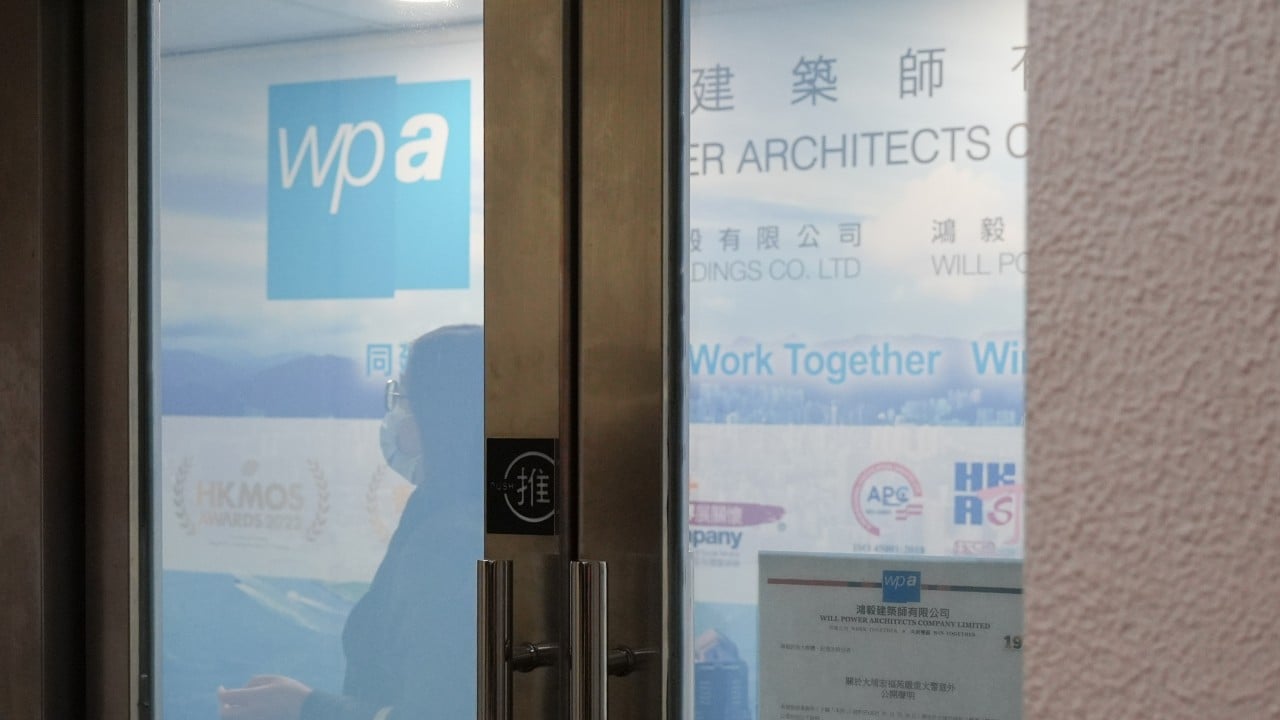
The High Court issues a winding-up order against Will Power Architects Company Limited, the engineering consultant tied to the disastrous renovation works at Wang Fuk Court. Legal commentators nod sagely. Headlines treat corporate liquidation like a clean sweep of institutional rot.
It is a performance.
Winding up a bankrupt shell company that has already ceased operations does nothing to fix the systemic decay of Hong Kong building management. Chasing corporate entities with zero assets left in their coffers is a bureaucratic shell game designed to give grieving residents and an anxious public the illusion of corporate accountability. The consultant is gone, liquidated over unpaid debts. The underlying disease remains entirely untouched.
The Myth Of Corporate Dissolution As Justice
When a court orders the compulsory liquidation of a company implicated in catastrophic negligence, the legal system treats it as an execution. In reality, it is an administrative formality. Will Power Architects was already a ghost ship by the time the winding-up petition hit the docket. Stripping a defunct corporate carcass of its legal status does not recover stolen safety margins, nor does it resurrect the victims of the Tai Po tragedy.
Focusing attention on the corporate death of a single consultancy lets the broader ecosystem off the hook. Hong Kong’s multi-billion-dollar building maintenance sector relies on a network of subcontracting layers, rubber-stamped statutory filings, and figurehead professionals. When one node in this fragile chain implodes, the individuals behind it simply phoenix their operations under a fresh trade name. Liquidating the corporate vehicle is a tax on paper; it extracts no true accountability from the architects of negligence.
Why The Bureaucratic Fixes Miss The Mark
Following the disaster, government bodies rushed to propose tighter oversight, dedicated inspection units, and user-pays repair bodies. These reactions misunderstand the economic incentives driving residential renovations in aging housing estates.
Property owners associations and incorporated owners face immense financial pressures. When forced into mandatory building rehabilitations costing tens or hundreds of millions of dollars, committees often default to the lowest compliant bidder. They look for cheap statutory compliance rather than structural integrity. Consultants survive by undercutting each other on paper while outsourcing actual site supervision to low-cost, unqualified personnel.
The market rewards speed and cost-cutting, not engineering rigor. Until the liability model pierces straight through the corporate veil to penalize individual professional signatories with personal asset forfeiture and mandatory prison sentences, companies will continue to treat regulatory fines as a standard cost of doing business. Liquidating a debt-ridden consultancy after the fact is merely closing the stable door long after the disaster has occurred.
Fixing The Rot Requires Economic Realignment
If Hong Kong genuinely wants to purge unsafe practices from residential renovations, treating corporate bankruptcies as milestones of justice must stop.
First, nominal registered inspectors who lend their credentials to rubber-stamp dangerous filings must face automatic, permanent revocation of their licenses alongside immediate criminal prosecution. When professional accreditation carries zero personal risk, safety manuals become worthless decoration.
Second, the financing model of major estate repairs must change. Expecting volunteer homeowner committees to act as expert project managers over complex engineering feats is an institutional failure. Independent statutory oversight must step in before a single scaffold goes up, not after a coroner's inquiry files its report.
Chasing dead corporate shells provides clean closure for evening news bulletins. It does nothing to protect the next housing estate down the road.