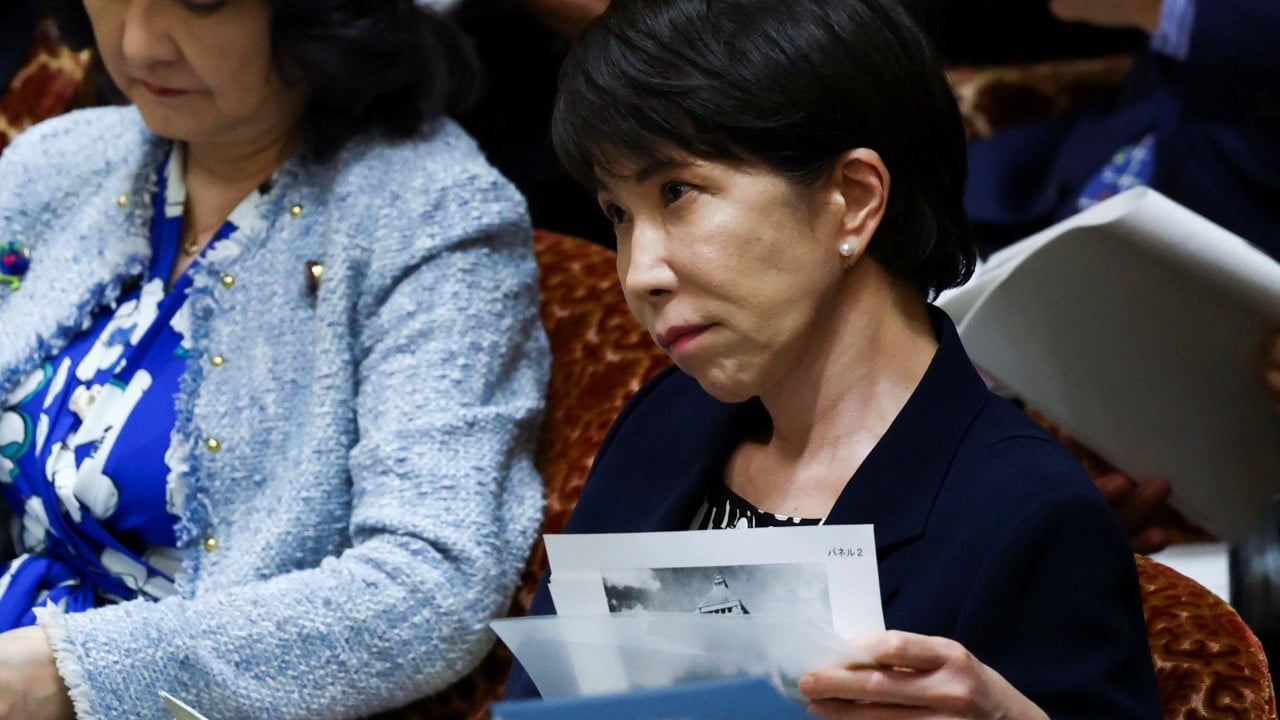
The lazy consensus across global media is that Japan's Prime Minister Sanae Takaichi deserves our sympathy. When she recently stood before parliament and announced that domestic chores, morning baths, dishwashing, and applying cosmetics add three to four hours to her daily routine compared to her male predecessors, the mainstream narrative rushed to comfort her. Commentators wailed about the invisible second shift, the double standard of gender expectations, and the crushing weight of traditionalism on women in power.
It is a comforting, predictable script. It is also entirely wrong.
Strip away the culture-war framing, and you are left with a startling indictment of operational incompetence at the highest level of government. Takaichi is not a victim of structural patriarchy in this instance; she is a casualty of her own refusal to delegate.
Let us be brutally honest about what a Prime Minister actually is. You are not a mid-level manager trying to balance a budget while keeping up appearances in a Tokyo suburb. You are the chief executive of a G7 nation. If the CEO of a multi-billion-dollar enterprise spends thirty minutes scrubbing pans and three hours fussing over personal presentation while national security briefings pile up unread past midnight, the board would force a resignation by sunset.
The defense from her apologists is that she is trying to remain relatable to the average Japanese homemaker. This logic is toxic. The citizens of a country do not elect their leader to perform a daily cosplay of domestic servitude. They elect them to govern efficiently. When a head of government boasts about doing her own dishwashing while running a nation of 125 million people, she is not showing solidarity with working women. She is romanticizing bottleneck management.
Leadership at the apex level requires ruthless friction reduction. I have watched startup founders and corporate executives crash burning into bankruptcy because they suffered from the hero syndrome—the pathological need to control every minor detail of operation rather than building systems of leverage. Takaichi is exhibiting that exact syndrome on a national stage.
Think about the sheer logistics. The Prime Minister of Japan commands an extensive official residence, a dedicated staff, security details, and a state budget designed specifically to absorb every ounce of friction between waking up and executing statecraft. If the household duties are genuinely eating four hours of daylight, the failure does not lie in the existence of dirty plates. It lies in a complete inability to deploy the resources attached to the office.
Imagine a scenario where a male executive refuses to use his executive assistant, insists on brewing his own coffee, hand-washes his teacups, and then complains to the board that he is missing critical market shifts because his morning routine is too long. You would call him an amateur. You would question his sanity. Yet when a female leader frames identical self-inflicted inefficiencies as a gender tax, the public is expected to nod in solemn agreement.
This does a profound disservice to the very women Takaichi claims to represent. True advancement for women in leadership does not mean proving that we can be overworked executives and martyr-housewives simultaneously. It means dismantling the expectation that domestic labor belongs exclusively to women while refusing to glorify the unnecessary performance of chores by people whose time is worth thousands of dollars an hour.
Delegation is not a luxury for the lazy; it is a fundamental requirement of responsibility. When you hold the nuclear codes and direct economic policy, scrubbing your own frying pan is an indulgence disguised as humility.
Stop praising leaders for being overwhelmed by tasks they have the power to delegate. Start demanding that they manage their time with the seriousness of the offices they hold.