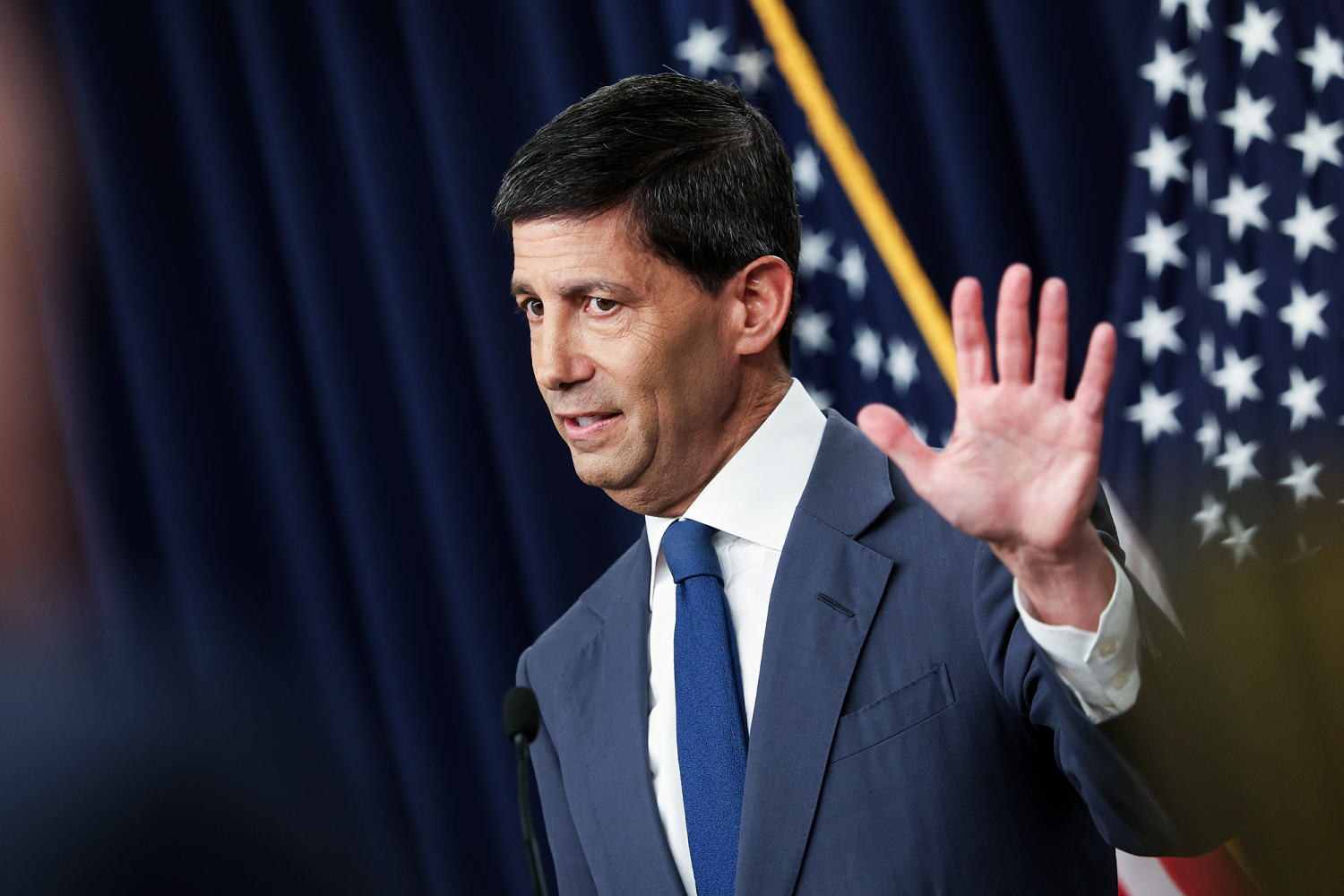
The annual central banking retreat in the Rocky Mountains has devolved into a high-stakes standoff between an evasive Federal Reserve leadership and an aggressively anxious debt market. Federal Reserve Chair Kevin Warsh faces intense pressure at the Jackson Hole symposium to address soaring long-term borrowing costs, persistent inflation, and cross-purposes interventions by the Treasury. Wall Street came looking for a policy roadmap. Instead, it found a central bank chair determined to keep his cards close to his chest, risking an even deeper rupture in global financial stability.
Bond yields have climbed to levels unseen since 2007, driven by a messy combination of federal debt expansion, shifting trade frictions, and lingering price pressures. Investors holding thirty-year U.S. government debt are demanding heavier risk premiums, a direct vote of no confidence in short-term fiscal discipline. When the Treasury Department stepped in to double its bond-buying interventions, it signaled institutional panic. That desperation shifted all eyes toward Jackson Hole. If the Fed chair refuses to validate market anxieties about inflation and debt monetization, the bond vigilantes will continue driving long-term rates higher regardless of what happens to the federal funds rate. Learn more on a similar issue: this related article.
Tradition dictates that a new central bank leader uses this Wyoming symposium to lay down an intellectual framework. Ben Bernanke used the venue to dissect economic history. Janet Yellen dove deep into labor metrics. Jay Powell framed monetary policy around risk management. Warsh, however, has signaled an inclination to stick strictly to the conference’s formal academic agenda regarding financial innovation and payments. Treating a generational debt crisis as an academic exercise is a dangerous gamble. Financial markets do not care about theoretical models on payments policy when thirty-year yields are hovering near five and a half percent.
The friction extends directly into the corridors of political power. The administration that appointed Warsh wants lower borrowing costs immediately, creating a glaring conflict of interest for an institution nominally designed to remain independent. When fiscal authorities launch emergency bond-buying programs while monetary authorities sit on their hands, the left hand and the right hand are working at cross-purposes. This institutional friction paralyzes market pricing mechanisms. Investors can no longer calculate true risk when central bankers speak in cryptic riddles while executive officials intervene directly in debt auctions. More journalism by Financial Times explores comparable perspectives on the subject.
Avoiding direct commentary on the bond rout will not restore calm. Silence communicates panic just as effectively as a missed rate cut. If the central bank pretends that long-term debt deterioration is purely a Treasury concern, it ignores the transmission channel between sovereign yields and broader economic credit. Corporate borrowing, mortgage underwriting, and asset valuations all rely on the anchor of long-term government debt. When that anchor slips, the rest of the financial vessel drifts toward the rocks.
Markets are no longer asking for minor adjustments to the September rate meeting trajectory. They are demanding proof that the institution charged with defending currency stability still has a functional compass. By hiding behind academic abstractions and refusing to engage with the structural debt crisis playing out in real time, the Fed is trading short-term diplomatic comfort for long-term credibility. The bill for that silence will be collected in the open market, bond auction by bond auction.