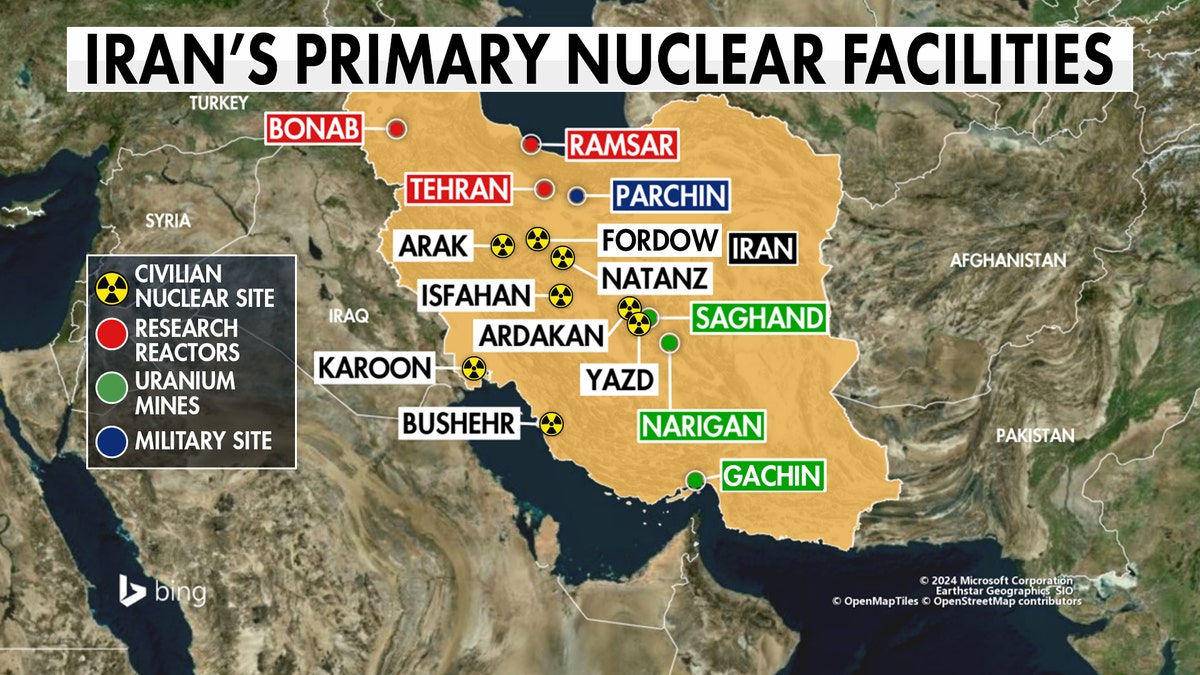
Donald Trump is "pretty sure" he can strike a deal with Iran. On its face, the statement carries the familiar bravado of a man who views the world as a series of solvable transactions. But the reality on the ground in March 2026 is far grimmer than a simple handshake at a neutral summit. As Pakistan moves into the center of this diplomatic storm, acting as the primary conduit for a 15-point U.S. "peace plan," the stakes have shifted from theoretical enrichment percentages to a desperate attempt to halt a war already a month deep.
Islamabad is not merely a messenger. It is a desperate stakeholder. For Pakistani Prime Minister Shehbaz Sharif and Army Chief Syed Asim Munir, brokering a ceasefire between Washington and Tehran is the only way to prevent regional contagion from devouring an already fragile Pakistani economy. While the Trump administration signals optimism, the machinery of "Maximum Pressure" has evolved into "Maximum Percussion." The U.S. has already demonstrated its willingness to use force, having executed Operation Midnight Hammer to dismantle Iranian nuclear sites just months ago.
The Broker in the Crosshairs
Pakistan’s role as the "postman" for the Middle East is a high-risk play for relevance. By facilitating indirect talks, Islamabad hopes to burnish its credentials with a Trump White House that, until recently, viewed it with skepticism. The move is a calculated pivot away from total dependence on Chinese patronage. If Pakistan can deliver an Iranian signature on a 15-point framework, it secures its own borders and potentially a massive economic lifeline from the West.
However, the "why" behind Pakistan's sudden diplomatic energy is rooted in fear. With the second-largest Shia population in the world and a 565-mile border with Iran, Pakistan cannot afford a total collapse of the Iranian state. A refugee crisis or a spillover of the current conflict would be catastrophic. The Pakistani military leadership knows that a hot war next door would embolden domestic militants, specifically the TTP, who are already draining state resources.
The 15-Point Wall
The Trump administration’s proposal is not a return to the 2015 JCPOA. It is a demand for unconditional surrender wrapped in the language of a "peace plan." Special Envoy Steve Witkoff and Jared Kushner have laid out a framework that requires Iran to not only end enrichment but to essentially dismantle its "Axis of Resistance."
Iran's response has been a predictable blend of defiance and delay. Tehran has countered with five conditions, including guaranteed payment for war damages and a comprehensive end to U.S. aggression. While Iranian Foreign Minister Abbas Araghchi describes the start of talks in Muscat as "constructive," the sermons in Tehran tell a different story. The Supreme Leader remains the ultimate arbiter, and his domestic messaging suggests that any deal made under the shadow of U.S. carriers in the Persian Gulf is a deal made under duress.
The fundamental disconnect is one of timing. Trump wants a signature "as soon as possible" to claim a foreign policy victory and stabilize global energy markets. Iran, conversely, is playing for time. By engaging in the Pakistani-led process, Tehran hopes to delay further American strikes and wait for the political winds in Washington to shift, or for the U.S. public’s appetite for a Persian Gulf war to sour.
The Ghost of Maximum Pressure
The current conflict is the logical conclusion of the "Maximum Pressure" campaign initiated years ago. Unlike the first term, the 2026 iteration of the Trump administration is not satisfied with mere economic strangulation. The deployment of a second aircraft carrier and the installation of missile launchers at Al Udeid airbase in Qatar serve as the backdrop for every message Pakistan carries to Tehran.
Economic devastation in Iran is the primary lever. Inflation is hovering near 60%, and the "shadow fleet" used to bypass sanctions is being systematically intercepted by U.S. and UK naval forces. The regime in Tehran is facing a dual threat: American Tomahawks from the sea and a restless, starving population at home. This internal pressure is what Trump is betting on. He believes the regime will choose survival over sovereignty.
Why This Deal Might Still Fail
History suggests that "Maximum Pressure" rarely leads to the desired "Great Deal." It usually leads to a cornered adversary.
- The Proxy Problem: Even if Tehran agrees to limit its nuclear ambitions, its control over regional proxies like the Houthis or remnants of Hezbollah is not a simple "on-off" switch. These groups have their own local agendas.
- Verification: After the strikes of late 2025, Iran’s nuclear program is decentralized and hardened. Any new deal would require an intrusive inspection regime that the Revolutionary Guard is unlikely to ever accept.
- The Israeli Factor: Prime Minister Benjamin Netanyahu has made it clear that Israel will not allow Iran to re-establish any semblance of a missile or nuclear program, regardless of what is signed in Islamabad or Muscat.
The Pakistani-led effort is the last exit on the highway to a much larger regional conflagration. If Islamabad succeeds, it will be the diplomatic miracle of the decade, potentially earning its leaders the international prestige they crave. If it fails, Pakistan will be left holding the door open for a war that it is uniquely ill-equipped to survive.
Trump is "pretty sure" he can get it done, but the 15 points on the table look less like a bridge and more like a checklist for a final confrontation. The coming weeks will reveal if the "Art of the Deal" can function when the primary tools of negotiation are no longer tariffs, but targeted strikes and the survival of a 40-year-old revolutionary state.