For decades, the "nuclear fatwa" was the ultimate conversational shield for Tehran. Whenever Western intelligence pointed to spinning centrifuges or traces of uranium at undeclared sites, Iranian officials would point to Supreme Leader Ali Khamenei’s religious decree. They’d say building a bomb is a sin. It’s forbidden. It’s not who we are.
That shield isn't just cracked anymore; it's being melted down.
The regional wars of the last two years—specifically the direct military exchanges between Israel and Iran—have fundamentally shifted the math in Tehran. If you’re following the headlines from early 2026, you know the "strategic patience" era is dead. We’re now seeing a public, loud, and increasingly desperate debate within the Iranian establishment about whether it’s time to finally build the "big one."
The End of the Threshold Era
Iran has been a "threshold state" for a while now. This means they’ve had the technical knowledge, the centrifuges, and the stockpile to make a weapon, but they chose not to cross the final finish line to avoid becoming a global pariah like North Korea.
But look at what’s happened recently. The massive Israeli strikes in June 2025 and the joint US-Israeli "Operation Neptune" in February 2026 targeted the very heart of Iran’s military infrastructure. When your conventional missile batteries are getting blown up and your top generals—including the likes of Hossein Salami and even the veteran Ali Larijani—are being taken off the board, the old rules of deterrence stop making sense.
Inside the IRGC (Revolutionary Guard), the logic is becoming brutally simple: "If we had a nuclear deterrent, would they have dared to bomb Tehran?"
Why the Religious Ban is Losing Its Grip
The death of Supreme Leader Ali Khamenei earlier this year changed everything. While the "fatwa" against nuclear weapons was his personal signature on Iranian policy, the new guard doesn't feel the same spiritual obligation.
We’re seeing a rise in "nuclear nationalism." On Iranian state media, analysts who used to whisper about "peaceful energy" are now openly arguing that the Nuclear Non-Proliferation Treaty (NPT) is a suicide pact. They’re looking at the map and seeing US bases in Qatar and Israeli jets in their airspace. To the hardliners now running the show, a fatwa from twenty years ago doesn't help when F-35s are over the horizon.
- Stockpile surges: Despite the 2025 bombings, IAEA reports suggest Iran has resumed enrichment at secret, deeper locations.
- Weaponization teams: US intelligence indicates a shift from just "making fuel" to "designing triggers."
- The NPT Exit: High-ranking officials are now publicly calling for Iran to bolt from the NPT entirely, which would be the ultimate "point of no return" signal.
The Miscalculation of Military Pressure
There’s a common mistake Western analysts make. They think that if you bomb a country’s nuclear sites, you've solved the problem. In reality, you might have just convinced them they need the bomb even faster.
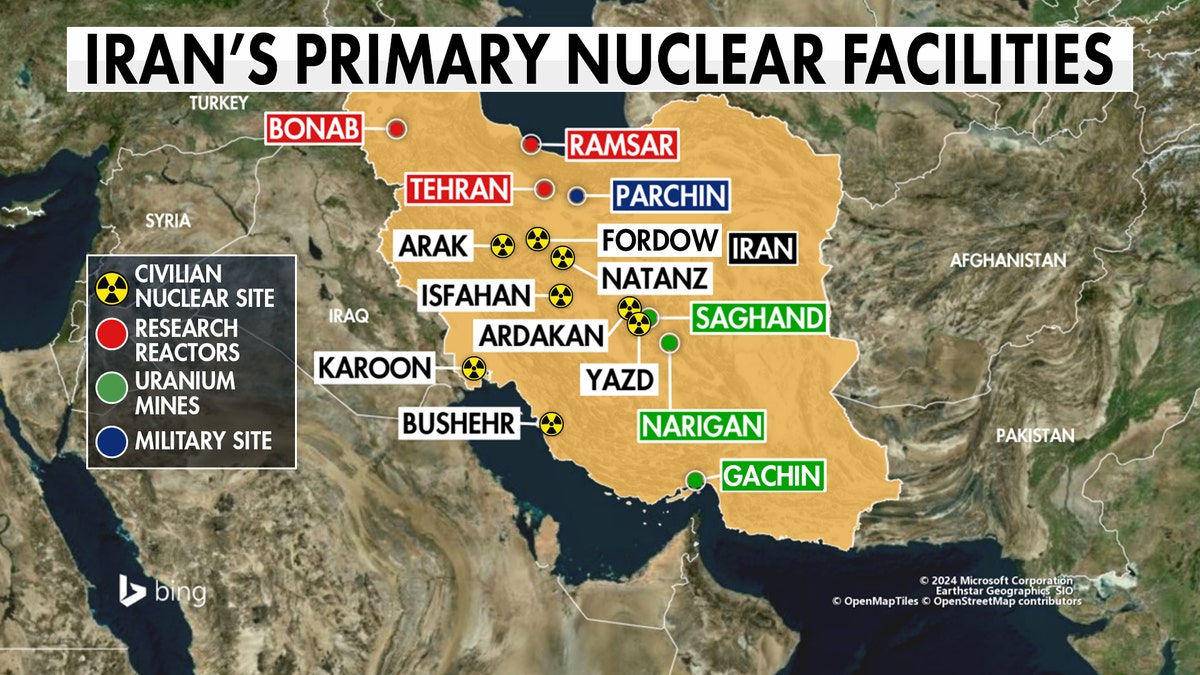
When Israel struck the Natanz and Fordow facilities, they certainly set the timeline back. Experts suggest it bought "months," not years. But the psychological impact was the opposite of what was intended. Instead of scaring Tehran back to the negotiating table, it’s pushed the regime into a corner where they feel their only survival mechanism is the ultimate weapon.
Honestly, it’s a classic "security dilemma." Israel strikes to feel safe; Iran seeks a bomb to feel safe from the strikes; neither side ends up safer.
What This Means for 2026
If you’re waiting for a new "Nuclear Deal," don't hold your breath. The trust is gone. The 2015 JCPOA is a ghost.
The current transition of power in Iran is the most volatile since 1979. We aren't just talking about a change in leadership; we’re talking about a change in the very DNA of Iranian defense. They’ve seen that their "Axis of Resistance" (Hezbollah, Houthis, etc.) can’t fully protect them from a direct hit. They’ve seen that conventional missiles can be intercepted.
The only thing left in their toolkit that hasn't been tried is nuclear breakout.
Your Reality Check
If you're tracking this, keep your eyes on two specific triggers:
- The 90% Threshold: If Iran starts enriching uranium to 90% (weapons grade), the window for diplomacy officially slams shut.
- IAEA Expulsion: If Tehran kicks out the last remaining inspectors from the "unaffected" sites, assume the breakout has started.
The era of "talking about the bomb" is over. We’ve entered the era of "deciding on the bomb." If you're looking for a silver lining, there isn't one—only a very narrow, very dangerous path forward where both sides try to avoid a total regional meltdown. Watch the NPT status closely; it’s the only scoreboard that matters now.