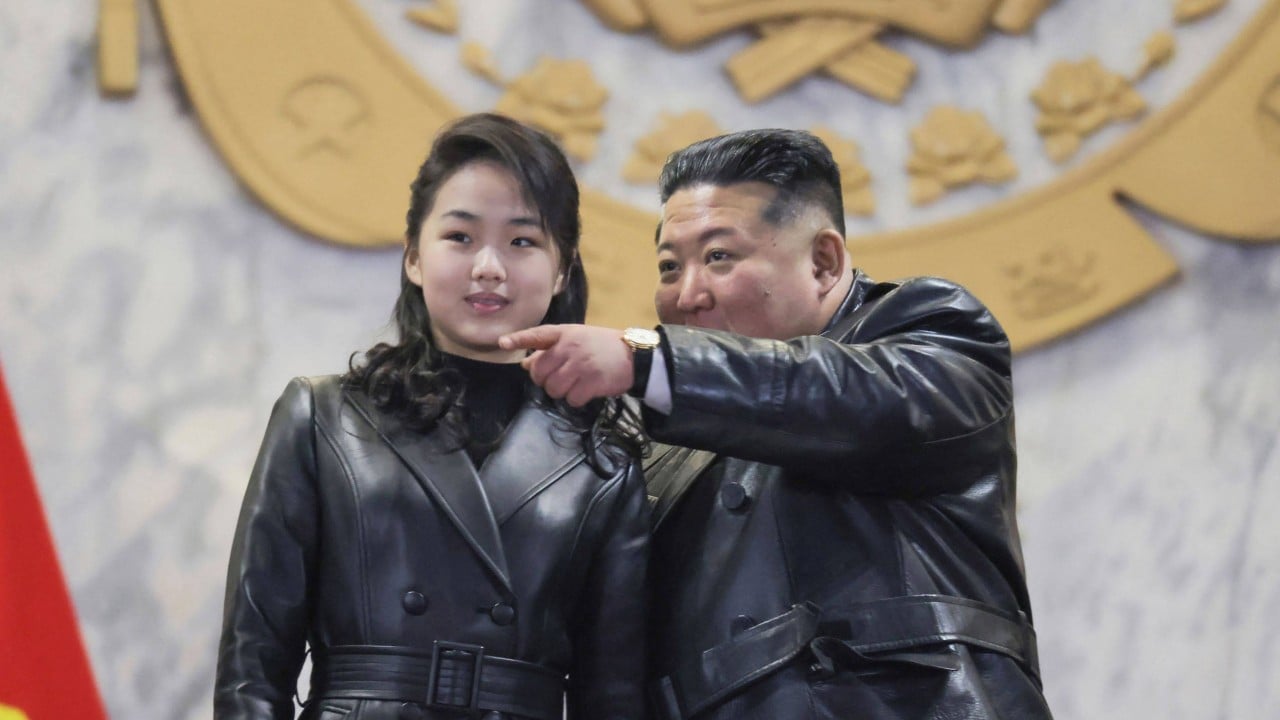
North Korean leader Kim Jong Un's apparent heir, Kim Ju Ae, has a younger sibling of unknown gender according to recent assessments by South Korea's National Intelligence Service. This update reshapes what external analysts understand about the secretive ruling family's internal dynamics and long-term planning. For years, intelligence apparatuses in Seoul and Washington pieced together fragments from state media broadcasts, foreign visitors, and satellite imagery to map the lineage of the Paektu bloodline. The confirmation of an additional offspring injects new variables into a dynastic structure that tolerates zero margin for error.
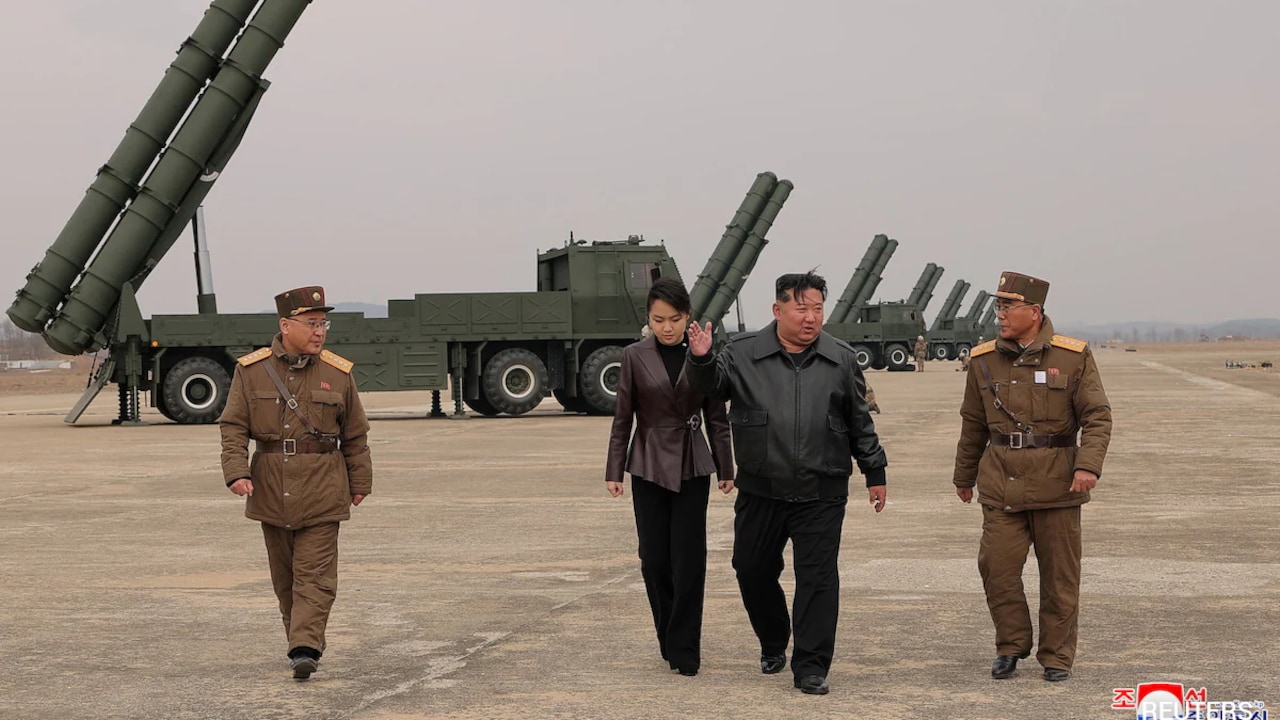
Dynastic survival in Pyongyang depends entirely on absolute control over the narrative of succession. When Kim Ju Ae first stepped into public view during an intercontinental ballistic missile test, international observers scrambled to decode the signal. Children do not casually stand beside strategic nuclear assets on a whim. That appearance served notice that the fourth generation of Kim family rule was already being engineered. Yet public prominence does not automatically guarantee an unobstructed path to the throne. The existence of a younger sibling, alongside ongoing questions regarding an older brother whose status remains heavily obscured, highlights the volatile mechanics of authoritarian power transfer.
The Intelligence Blind Spot
Information collection inside North Korea remains one of the hardest disciplines in modern espionage. Intelligence agencies rely on indirect indicators because direct access is practically nonexistent. South Korea's spy agency has previously adjusted its tracking of Kim Jong Un and his wife, Ri Sol Ju, estimating varying totals of offspring born since their marriage.
Tracking birth order in a cloistered dictatorship is not merely an exercise in bureaucratic record-keeping. It dictates how internal security factions align themselves. In absolute monarchies disguised as communist states, proximity to power dictates survival. Officials within the Workers' Party of Korea and the Korean People's Army constantly monitor family shifts to hedge their political bets. If a younger sibling exists, factions within the elite might quietly position themselves around alternative future poles of influence, regardless of current state media choreography.
Breaking Historical Precedent
Conventional wisdom suggests that eldest sons inherit absolute power. The Kim dynasty itself has consistently defied that exact rulebook. Kim Jong Un was not the eldest son of Kim Jong Il, bypassing his older brothers Kim Jong Nam and Kim Jong Chol to assume command. History shows that competence, ruthlessness, and alignment with military power structures outweigh rigid primogeniture in Pyongyang.
Kim Ju Ae's elevation demonstrates that gender and birth order are secondary to the supreme leader's unilateral assessment of capability and loyalty. State media descriptions of her using terms traditionally reserved for top leaders signal an aggressive ideological grooming process. By introducing a younger sibling into the equation, the regime maintains strategic redundancy. Authoritarian states abhor vacuums. Having alternative heirs prevents a catastrophic crisis if the primary designated successor encounters sudden health failures, internal resistance, or external disruption.
The Burden of the Paektu Bloodline
The ideological legitimacy of the North Korean state rests entirely on the mythological purity of the Paektu bloodline. Every citizen from primary school onward is taught that the Kim family possesses a unique mandate to defend the nation against external threats. Sharing the spotlight with young children serves an immediate psychological function inside a domestic population weary of economic hardship and international isolation. It normalizes continuity. It projects stability to a populace that remembers the devastating famine of the nineteen-nineties and fears systemic collapse.
At the same time, thrusting minors into the geopolitical crosshairs creates profound internal security risks. External intelligence agencies pore over every frame of footage showing Kim Ju Ae and her siblings, analyzing medical signs, psychological demeanor, and security details for vulnerabilities. Every public appearance at missile integration plants or military parades transforms children into high-value intelligence targets.
The disclosure regarding a younger sibling changes the calculus for neighboring governments and defense planners in Washington, Seoul, and Tokyo. Long-term strategic forecasting must now account for a broader pool of potential heirs, each backed by different factions of military hardliners. The succession puzzle in Pyongyang is far more complex than a single anointed daughter standing on a viewing stand. It is a multi-layered chess match playing out behind high concrete walls, where a single miscalculation by the ruling elite could trigger an unprecedented power struggle at the heart of a nuclear-armed state.