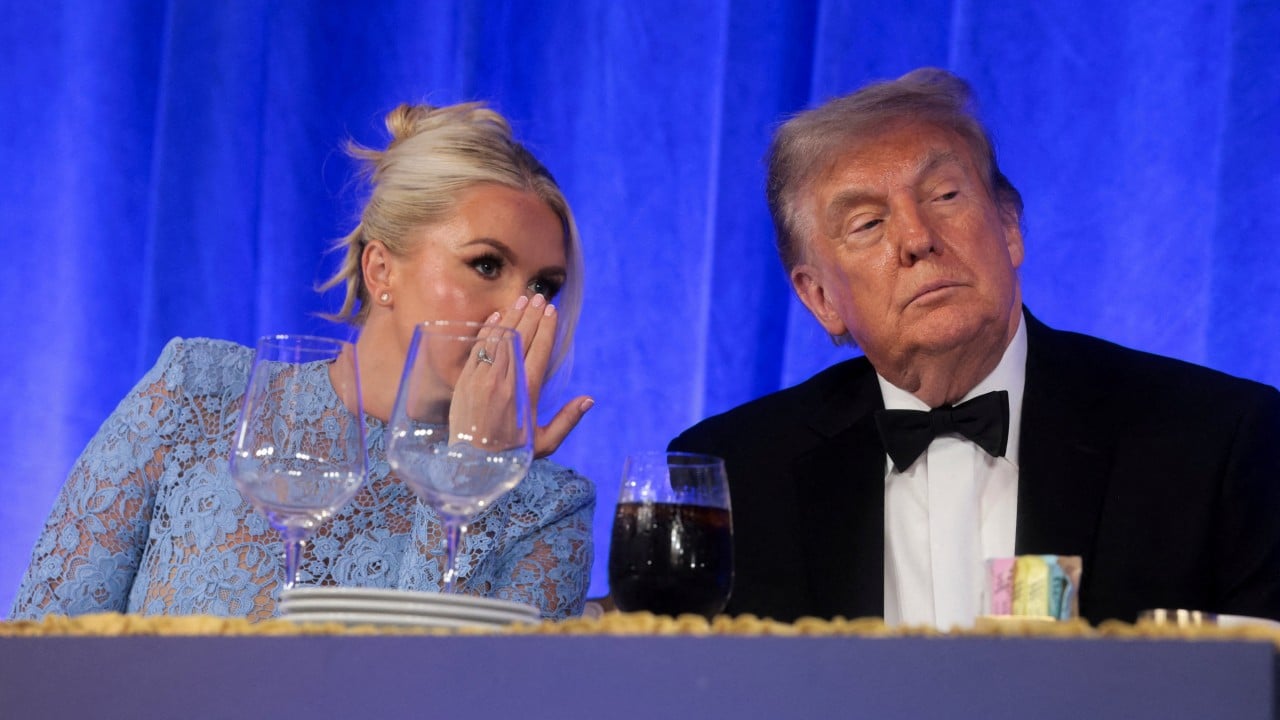
National security protocols are only as resilient as the human beings tasked with executing them. When a high-ranking official falls victim to a crude digital impersonation scheme, the resulting media frenzy usually points fingers at individual gullibility. The recent newspaper front pages dominated by the revelation that the Prime Minister was duped into exchanging text messages with an impostor pretending to be Donald Trump's chief are embarrassing. They miss the structural rot beneath the headline.
This was not merely a prank gone viral. It exposed a systemic vulnerability in modern statecraft.
The Anatomy of State-Level Social Engineering
Modern political communication relies on speed, accessibility, and informality. Leaders rarely rely exclusively through secure, encrypted diplomatic channels for initial rapport. Instead, they increasingly depend on consumer-grade messaging apps. This convenience creates an attack vector that sophisticated actors and opportunistic tricksters exploit with alarming regularity.
When an unauthorized actor gains direct access to a head of government via SMS or consumer apps, the failure extends far beyond a lack of personal vetting. It points to a total collapse of executive protection infrastructure.
Consider how such an intrusion occurs in practice. A hypothetical malicious actor obtains a target phone number through intermediate contacts or compromised directories. They craft an initial message invoking high-level urgency or shared political alignment. The psychological trigger is simple. Power brokers are conditioned to respond swiftly to perceived equals or superiors within the geopolitical hierarchy. Protocol bends under the weight of imagined urgency.
By the time junior aides or security details verify the identity of the sender, the psychological priming has already taken hold. The target has engaged, answered questions, and compromised the boundary between public office and private exposure.
The Media Circus Versus the Security Reality
Fleet Street treated the incident as political theater. Tabloids leaned into the farce, juxtaposing the Prime Minister's humiliation with unrelated sports tragedies, such as the mounting pressure and tactical agony facing football managers like Pep Guardiola. Editorial boards editorialized endlessly on competence and judgment.
Yet, reducing a cybersecurity breach to a character flaw is lazy journalism.
When a nation's leader is compromised by an unverified text message, the incident functions as a stress test for institutional defense mechanisms. If a prankster can breach the outer digital perimeter of Downing Street, state-sponsored intelligence agencies face an open door. The techniques used in social engineering attacks scale effortlessly. A fraudulent text message today becomes a tailored spear-phishing payload tomorrow.
Intelligence analysts have warned for years that consumer messaging habits among cabinet members represent the single largest vulnerability in Western governance. State actors from foreign jurisdictions do not always need sophisticated zero-day exploits to infiltrate a government. They simply need a politician who prefers the convenience of texting over secure diplomatic servers.
Fixing the Executive Blind Spot
Addressing this vulnerability requires strict behavioral mandates rather than temporary apologies or tightened privacy settings.
First, governments must enforce an absolute separation between personal communications infrastructure and state business. Any communication channel that lacks multi-factor cryptographic verification must be treated as hostile territory. If a message arrives claiming to be from a foreign dignitary via standard cellular networks, institutional architecture must automatically intercept and quarantine it until verified through official channels like embassy networks or secure military lines.
Second, accountability must shift from the individual political target to the protection teams. Security details are paid to anticipate manipulation, vanity, and the psychological blind spots inherent in high office. When protection details fail to vet incoming communication channels, they are failing at their primary mandate.
The newspapers will move on to the next scandal within days. Pep Guardiola will shuffle his tactics, and political fortunes will wax and wane. But the underlying fragility remains intact. Until governments treat digital social engineering with the same gravity as physical threats, our leaders will remain one clever text message away from another national embarrassment.