The screen flickered in a dark room in Beijing. Lines of code cascaded down the monitor, ancient digital debris left untouched in open-source repositories for over a decade. To a human eye, the syntax looked unremarkable. To an artificial intelligence trained on billions of parameters of human logic, it looked like an open door.
Within minutes, the model had mapped the flaw, chained it to a secondary memory leak, and constructed a working remote code execution exploit.
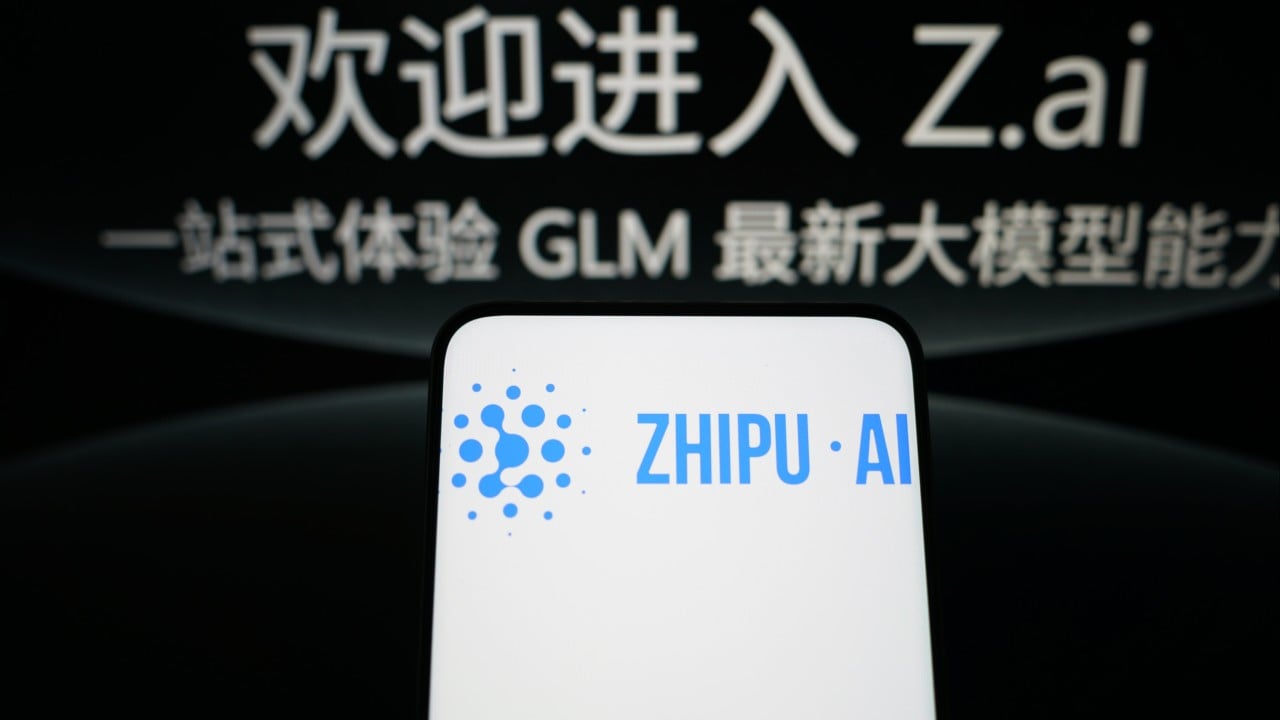
This was not a rogue script written by a syndicate in the dark. It was the output of Zhipu AI’s latest frontier security model, a system whose vulnerability discovery performance has risen to match the most powerful Western benchmarks. Across the globe, the rules of digital survival are rewriting themselves. When Zhipu AI stepped forward with its new cybersecurity capabilities and proposed its own version of defensive auditing—an open philosophy challenging closed consortia like Project Glasswing—it marked a profound fracture in global cyber safety.
For thirty years, digital security has relied on a quiet, comforting fiction. We assumed that finding a critical vulnerability required rare human genius. We believed that bugs hid in the dark because they were genuinely hard to see, protected by the sheer complexity of modern software architecture. Organizations operated under the assumption that ninety-day disclosure windows and human patch cycles could keep pace with threat actors.
That arithmetic is dead.
Frontier AI models do not get tired, they do not miss nested logic loops, and they do not require a cup of coffee at three in the morning. They read a million lines of code the way a master musician hears every note in a symphony simultaneously. When Zhipu AI demonstrated that its models could independently unearth deep architectural flaws on par with advanced Western equivalents, it signaled a shift from human-speed defense to machine-scale warfare.
Consider what happens next.
If powerful vulnerability-finding models are restricted strictly to closed consortia, smaller open-source maintainers and independent developers are left blind. They maintain the foundational libraries that power the global economy—from web browsers to operating system kernels—yet they lack the multi-million-dollar resources to run heavy defensive audits. Zhipu AI recognized this imbalance. By framing its initiatives around open-source auditing and embedding code-auditing functions directly into programming products like ZCode, the company opened a different door. It argued that in an age of automated threats, security cannot remain an exclusive luxury product reserved for elite corporate monoliths.
Yet, this openness carries a terrifying paradox.
The exact same intelligence that spots a buffer overflow to patch it can be pointed at an enterprise network to weaponize it. The boundary between a defensive shield and an offensive spear has essentially dissolved into a matter of prompt engineering. When models capable of autonomous zero-day discovery proliferate across borders and platforms, the traditional moat-and-drawbridge security model collapses. Firewalls cannot stop an adversary that understands your source code better than your own engineering team.
Imagine a mid-sized software firm in Munich or Chicago waking up to find that a zero-day vulnerability in their core authentication library has been mapped, tested, and exploited by an automated agent before their morning stand-up meeting even begins. There is no negotiation with an algorithm running at the speed of light. There is only architecture, resilience, and whether you managed to eliminate the attack surface before the machine arrived.
The race is no longer about who can write better code. It is about who can automate the repair of code faster than the rest of the world can break it.
As Zhipu AI and its international counterparts push the boundaries of what machine intelligence can reveal about our digital infrastructure, we are forced to abandon our nostalgia for simpler defenses. The code is transparent. The flaws are illuminated. The only question left is whether we will use the light to fix the foundation, or simply watch it burn.