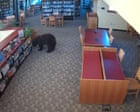
A black bear forced its way into a California library to raid snacks and eat a jar of honey, turning a quiet public reading room into an unlikely scene of wildlife intrusion. Viral headlines treat that break-in like a harmless woodland gag. Years of covering human-wildlife conflict across the American West tell a far harsher story: when a black bear targets a California library for snacks and a jar of honey, it exposes a breakdown in how mountain towns secure public buildings and manage wild neighbors.
Funny stories sell clicks fast. They also train residents and officials to shrug off warning signs that usually precede much costlier property damage or dangerous encounters. A public building holding breakroom snacks, staff lunches, or pantry staples acts like a stationary feeder once a bear learns that glass, screens, or latches will not stop it. In other developments, we also covered: What Happens When a Ghost Ship Still Holds Its Breath.
Why a Library Becomes a Target
Libraries rarely look like wilderness battlegrounds. They are built to welcome readers, foster quiet study, and serve as community anchors in foothill and mountain towns where pine forest meets residential streets.
That welcoming design creates quiet vulnerabilities. Windows left cracked for ventilation, older rear doors with weak strike plates, or delivery bays near staff lounges give a persistent animal plenty of leverage. Add a jar of honey or sweet snacks sitting inside a breakroom or storage cabinet, and the building shifts from unfamiliar territory to a high-reward food cache. NPR has also covered this important issue in extensive detail.
Bears do not plan crimes like people do. They follow olfactory cues and past success. A bear's sense of smell ranks among the sharpest in the terrestrial animal kingdom, allowing it to trace faint food odors through closed rooms and across neighborhoods long after a lunch break ends. Once a bear associates a specific structure with easy calories, food conditioning sets in quickly.
The Math of High-Calorie Rewards
Wild bears spend huge portions of their active season foraging for low-density foods like grasses, roots, insects, and berries. Even in productive years, gathering enough energy to prepare for winter torpor or support cubs demands constant movement and sharp trade-offs.
Processed snacks and concentrated sweets break that energy budget wide open. A jar of honey or a stash of granola bars, crackers, and sugary treats packs dense calories into a tiny footprint with almost zero search effort. One successful raid can equal hours of natural foraging.
Once an animal learns that math, habituation follows close behind. Fear of humans erodes as repeated contact without negative consequences teaches the bear that people, buildings, and noise pose no real threat.
What Viral Clips Miss About Bear Behavior
Media coverage loves a neat punchline. A bear sniffing bookshelves or tipping over a pantry makes for an easy laugh on social feeds, especially when nobody gets hurt and the damage looks minor on camera.
Laughing at the clip misses the operational reality on the ground. Wildlife biologists and municipal managers look at the pattern behind the joke:
- Repeat visits: Bears that find food once frequently return to the same block, yard, or building within days.
- Escalating entry: A bear that pushes open an unlocked or flimsy window today may test sturdier doors or garage frames tomorrow.
- Neighborhood spillover: One unsecured California library or community center rarely sits in isolation; nearby trash cans, bird feeders, and pet food bowls compound the attraction.
- Staff and patron risk: Surprise face-to-face encounters in hallways, stairwells, or entryways raise the odds of panic, injury, or a stressed animal bolting into traffic.
Consider a hypothetical example to see how small lapses snowball. Suppose a rural branch library keeps a jar of honey and leftover baked goods in an unlocked staff room near a ground-level window, and a young male bear pries the screen open overnight. If staff simply sweep up the mess and buy a replacement jar without fixing the latch or changing food storage rules, the animal has just been rewarded for testing that building.
The gray area here is real. Mountain communities face tight budgets, aging municipal facilities, and seasonal surges in both bear activity and tourist traffic. Nobody wants to turn a neighborhood library into a steel bunker, yet leaving easy food indoors is an open invitation.
Why Quick Fixes Keep Failing
When a black bear breaks into a California library or a nearby home, the immediate reflex is often to blame bad luck or demand an instant removal. Neither response solves the root cause.
Hazing and relocation have limits that outsiders rarely appreciate. Moving a problem bear sounds humane and decisive on paper, yet adult bears possess strong homing instincts and can travel long distances back toward familiar range. Relocating animals into occupied territory can also spark conflict with resident bears or shift the problem onto another town.
Trash ordinances and bear-resistant bins help when enforced consistently, though enforcement is notoriously uneven. A single unlocked dumpster or overflowing residential cart down the street can undo careful work across an entire block.
The Building Security Gap
Public institutions face a peculiar blind spot. Parks and campgrounds have spent decades posting bear warnings and installing metal lockers, while municipal offices, schools, and libraries often treat wildlife intrusion as an edge case until glass shatters or a door frame splinters.
Small structural upgrades make a measurable difference when paired with strict indoor habits:
- Eliminate indoor food lures: Keep snacks, coffee supplies, and items like a jar of honey sealed inside airtight containers or locked cabinets away from exterior walls.
- Harden entry points: Check window latches, reinforce weak door frames, and keep ground-floor windows shut or fitted with sturdy guards when rooms are unoccupied.
- Audit exterior attractants: Close dumpsters tightly, clear food debris from outdoor bins, and coordinate facility maintenance with local wildlife guidance.
- Train staff on response: Establish clear protocols so employees back away calmly, secure doors if safe, and contact wildlife authorities rather than cornering an animal.
None of these steps is glamorous. None of them stops every determined bear in every situation. Yet together they lower the odds that a routine workday turns into a costly repair bill or a crisis in the parking lot.
Coexistence Without Rose-Tinted Myths
Living alongside a thriving black bear population is a mark of healthy habitat in many parts of California. Conservationists and wildlife officials rightly point out that bears play vital ecological roles, from dispersing seeds to turning over soil and decaying wood.
Sentimental myths still get in the way of practical safety. Treating a wild bear like a big teddy bear—or assuming a calm-looking animal will stay calm when startled—puts both people and bears in jeopardy. When human food becomes a regular habit, wildlife officers face heartbreaking choices that could have been prevented weeks earlier.
A black bear raiding a California library for snacks and a jar of honey should not fade away as just another quirky footnote in the news cycle. Every unsecured door, every sweet treat left in plain sight, and every shrug at a minor break-in is a test of whether mountain communities take coexistence seriously before the next knock comes louder.