A Pennsylvania appellate court recently upheld a $9.5 million medical malpractice verdict for a man who lost a testicle following a botched 2018 vasectomy, sending a sharp warning through the outpatient surgical industry. While most news outlets treated the ruling as a sensational courtroom anomaly, legal analysts and healthcare economists see it as a predictable collision between high-volume outpatient surgery models and basic anatomical safeguards. The court affirmed that the catastrophic outcome—stemming from compromised blood supply during what is routinely marketed as a quick, fifteen-minute office procedure—was entirely preventable.
To understand why a Pennsylvania jury awarded nearly ten million dollars for a routine sterilization procedure, and why the Superior Court refused to reduce it, you have to look past the shock value of the headline. You have to examine the mechanics of modern urological clinics, the legal standards governing informed consent, and the quiet crisis of assembly-line outpatient medicine.
The Anatomy of a Routine Procedure Gone Wrong
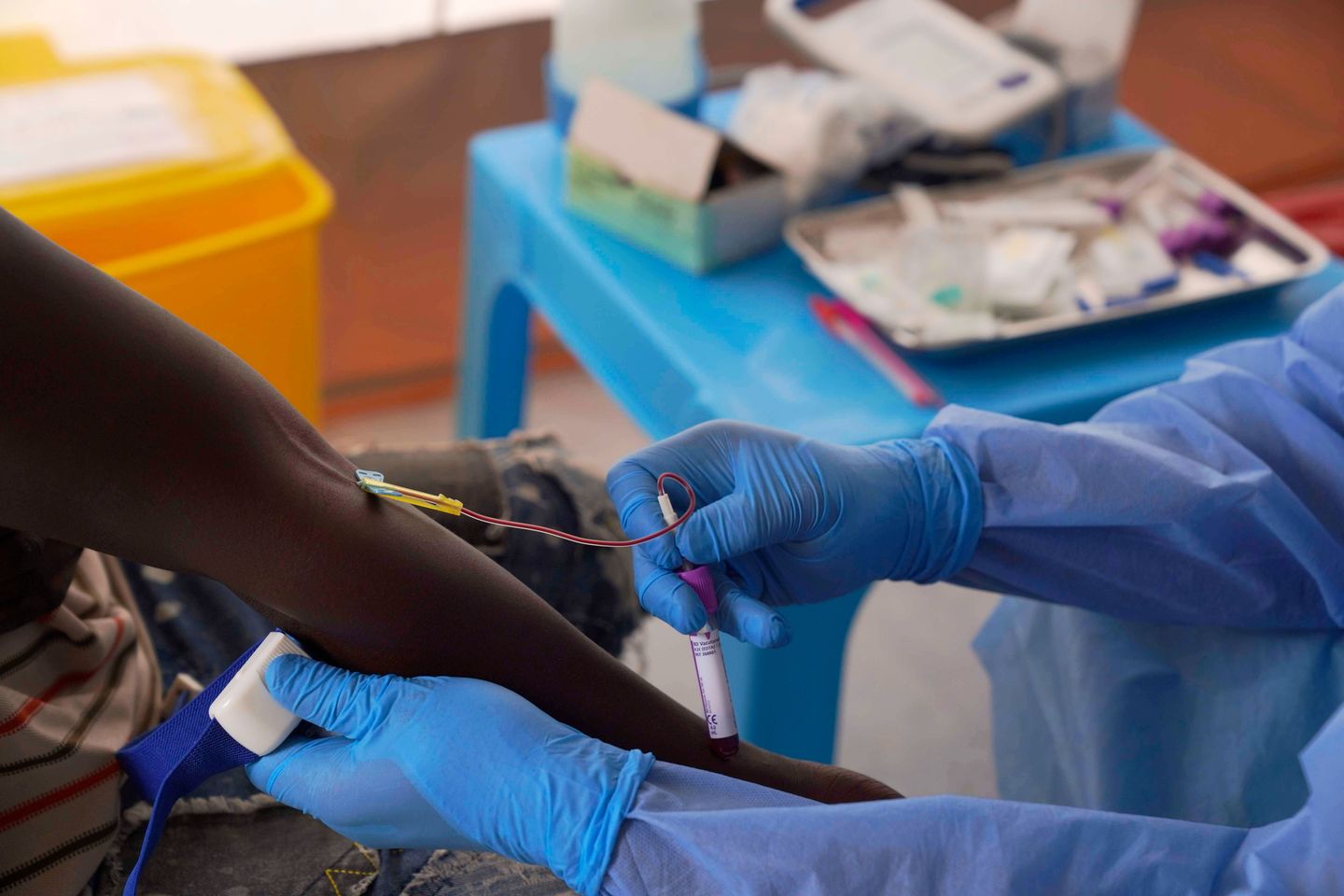
A vasectomy is statistically one of the safest surgical interventions performed in the United States. Roughly 500,000 American men undergo the procedure every year. In a standard bilateral vasectomy, a urologist isolates the vas deferens—the muscular tube that carries sperm from the testicle to the urethra—and severs, clips, or cauterizes it. The entire operation typically takes less than half an hour under local anesthesia.
Yet the scrotal anatomy leaves virtually zero margin for error. Running directly alongside the vas deferens inside the spermatic cord is the testicular artery, along with a delicate network of veins known as the pampiniform plexus. These vessels are the sole lifeline keeping the testicle alive.
When a surgeon fails to properly isolate the vas deferens from the surrounding vascular bundle, the consequences are irreversible. Clamping, cutting, or thermal injury from electrocautery can sever or thrombose the testicular artery. Once blood flow stops, ischemic necrosis sets in rapidly. Within hours, the tissue begins to die.
In the 2018 Pennsylvania case, post-operative pain and swelling were not merely the expected side effects of routine recovery. They were the clinical hallmarks of acute vascular compromise. When an organ dies inside the body, an orchiectomy—surgical removal of the testicle—becomes the only option to prevent systemic infection and severe chronic pain.
Why Standard Complication Defenses Failed
In medical malpractice litigation, defense attorneys almost always rely on a specific shield known as the known complication defense. Every surgical consent form lists bleeding, infection, chronic pain, and, in rare instances, testicular atrophy or loss as potential risks. By signing the form, the defense argues, the patient accepted the statistical gamble.
Juries in Pennsylvania, and increasingly across the country, are rejecting that argument when the underlying error violates fundamental surgical technique. There is a massive legal and medical distinction between an unavoidable biological reaction and a technical failure to identify anatomy.
If a patient develops an unpredictable hematoma that compresses blood vessels days after surgery, a defense team can credibly argue that the surgeon met the standard of care. Conversely, if evidence shows the surgeon failed to clearly separate the vas deferens before applying a clamp or cautery, the injury is no longer an unfortunate complication. It is negligence. The appellate court’s decision to uphold the $9.5 million award confirms that signing a consent form does not grant a physician immunity from basic anatomical mistakes.
The Economics of High-Volume Outpatient Urology
To understand how a seasoned specialist makes a catastrophic error during a basic procedure, you have to follow the money. Over the past two decades, American healthcare has aggressively pushed surgical procedures out of hospital operating rooms and into private outpatient clinics and ambulatory surgery centers.
For insurance companies and healthcare networks, the math is simple. An in-office vasectomy costs a fraction of a hospital-based procedure. There are no facility fees, no anesthesiologist bills, and minimal overhead.
For the medical practices, however, lower reimbursement rates per procedure create intense pressure to maximize volume. Many high-throughput urology clinics schedule vasectomies in rigid 15-to-20-minute blocks. On a busy Friday—traditionally the most popular day for the procedure so men can recover over the weekend—a single physician might perform a dozen or more consecutive surgeries.
Speed breeds complacency. When a clinic operates like an assembly line, several critical safety steps face subtle erosion:
- Rushed Pre-Operative Assessment: Scrotal anatomy varies significantly from patient to patient. Thickened tissue, prior inguinal hernia repairs, or undescended testicle histories can obscure the spermatic cord. A rushed exam misses these red flags.
- Suboptimal Anesthesia and Patient Movement: Because the procedure uses local anesthetic, an anxious patient who flinches at the wrong second can shift the surgical field by millimeters. Without adequate numbing and patience, millimeters matter.
- Failure to Triple-Verify: Gold-standard surgical protocol requires visually and tactilely confirming the isolated vas deferens—feeling its distinct, firm, spaghetti-like texture—before cutting. Under time pressure, muscle memory can override deliberate verification.
When a clinic prioritizes throughput over deliberate pacing, the statistical rarity of a severe injury becomes a mathematical certainty over a long enough timeline.
Decoding the $9.5 Million Valuation
To the casual observer, $9.5 million seems astronomical for the loss of a single organ that has a functional twin. In the cold calculus of civil litigation, however, the number reflects specific, quantifiable categories of damages that extend far beyond the operating room.
Pennsylvania does not impose statutory caps on non-economic damages in standard medical malpractice cases. Unlike states such as California or Texas, where pain and suffering awards are strictly limited by legislation regardless of the severity of the injury, Pennsylvania allows juries to assign whatever value they believe accurately reflects a plaintiff's altered life.
Beyond Physical Loss
When calculating a multi-million-dollar verdict in a case involving reproductive and endocrine anatomy, juries weigh several compounding factors:
- Hormonal Disruption and Lifelong Therapy: While a single healthy testicle can often compensate for the loss of its partner, it does not always maintain baseline testosterone levels as a man ages. Secondary hypogonadism can trigger chronic fatigue, depression, loss of muscle mass, decreased bone density, and metabolic dysfunction, requiring lifelong hormone replacement therapy with its own set of cardiovascular risks.
- Chronic Neuropathic Pain: Post-vasectomy pain syndrome and post-orchiectomy neuralgia are notoriously difficult to treat. Damage to the ilioinguinal or genitofemoral nerves can leave a patient with permanent, debilitating pain that interferes with basic daily activities, sleep, and physical intimacy.
- Psychological and Relational Trauma: Civil courts recognize the profound psychological toll of genital mutilation and altered bodily integrity. Depression, anxiety, and severe strain on marital intimacy carry heavy weight during damages deliberations.
- Delay in Diagnosis Damages: In many botched vasectomy lawsuits, the largest portion of the verdict does not stem from the initial surgical error alone. It comes from the post-operative dismissal of the patient's symptoms. When a patient calls a clinic reporting agonizing pain and swelling, and staff members brush it off as normal soreness without ordering an immediate scrotal Doppler ultrasound, they destroy the narrow window of time in which emergency surgery might have saved the organ.
The Appellate Reality Check in Pennsylvania
Winning a massive jury verdict is only half the battle in medical malpractice litigation. Defense firms routinely file post-trial motions for remittitur—asking the judge to slash the award on the grounds that it is excessive and driven by passion rather than evidence.
In Pennsylvania, appellate courts set an extraordinarily high bar for overturning a jury’s valuation of human suffering. To reduce a verdict, the Superior Court must find that the award "shocks the conscience" of the court and bears no reasonable relationship to the injuries proven at trial.
By upholding the $9.5 million figure, the appellate judges signaled that permanent organ loss, chronic pain, and the emotional devastation caused by an avoidable surgical mistake fully justify an eight-figure valuation. This ruling immediately alters the settlement landscape across the Mid-Atlantic region. Medical malpractice insurers can no longer assume that appellate judges will bail them out when a jury hands down a nuclear verdict for a "routine" outpatient mishap.
The Ripple Effect on Malpractice Insurance
Healthcare networks and private physician groups are already feeling the squeeze of rising medical professional liability premiums. Nuclear verdicts—defined by industry analysts as jury awards exceeding $10 million, or approaching that threshold in single-injury cases—force underwriters to recalculate risk profiles for specialties previously considered low-risk.
Urology has historically sat in the middle tier of malpractice insurance rates, well below high-risk fields like obstetrics, neurosurgery, and emergency medicine. Cases like the 2018 Pennsylvania vasectomy lawsuit challenge that actuarial assumption. When a 20-minute office procedure carries the same catastrophic payout potential as a botched spinal fusion, insurers respond by raising premiums, tightening policy limits, and demanding stricter clinical protocols from the practices they cover.
What Patients Must Demand Before Outpatient Surgery
The medical establishment sells outpatient procedures on convenience. Patients are told they can walk into a clinic on a Friday afternoon, walk out an hour later, and return to desk work by Monday. That convenience frequently lulls consumers into skipping the basic due diligence they would naturally perform before a major hospital surgery.
If you are considering a vasectomy or any other elective outpatient procedure, the Pennsylvania ruling offers a clear blueprint for protecting yourself from becoming a cautionary statistic.
Questions That Expose Clinic Standards
Before letting any surgeon prep a sterile field, ask three direct questions during the consultation:
- "How many procedures do you schedule in a single block, and how much time is allotted for mine?" If the clinic books patients every 15 minutes back-to-back, find another provider. You want a surgeon who schedules 30 to 45 minutes per patient to account for anatomical variations.
- "What is your specific technique for isolating the vas deferens, and do you use a no-scalpel approach?" The no-scalpel vasectomy (NSV) technique, which uses a specialized hemostat to gently spread skin and tissue rather than cutting with a blade, consistently demonstrates lower rates of bleeding, hematoma, and vascular injury in clinical literature.
- "What is your post-operative protocol if I experience severe, escalating pain within the first 24 hours?" You need to know whether you will speak directly to an on-call urologist who can order an immediate ultrasound, or whether your call will be routed to a generic answering service that tells you to take ibuprofen and wait until Monday.
A surgeon who bristles at these questions is revealing a culture that prioritizes authority over transparency. Walk out.
The Illusion of the "Minor" Procedure
In surgery, there is no such thing as a minor operation—only minor surgeons who treat human anatomy with casual familiarity. The 2018 Pennsylvania vasectomy case was never really about a freak accident. It was about what happens when the healthcare industry commodifies medical care, compresses timelines to protect profit margins, and forgets that routine procedures still carry permanent stakes for the human being on the table. Until outpatient clinics value deliberate precision over daily volume, juries will continue to make the cost of carelessness far higher than the profit of speed.