On Thursday afternoon, five gunshots fired at the intersection of West 44th Street and Seventh Avenue shattered the celebratory atmosphere of midtown Manhattan. Coming mere hours after millions gathered for the historic New York Knicks championship parade, and amidst an influx of international soccer fans celebrating the ongoing FIFA World Cup, the Times Square shooting triggered immediate, widespread panic. Thousands of tourists and sports supporters fled in a blind stampede. While the New York Police Department quickly apprehended a juvenile suspect and confirmed zero physical injuries, the incident exposed a significant structural vulnerability in modern municipal crowd management and urban security.
The event demands closer inspection because it lays bare a contradiction. City officials had spent months coordinating security logistics for overlapping athletic celebrations, yet a single firearm discharged by an adolescent brought the crossroads of the world to a sudden standstill. This was not a sophisticated tactical plot or a foreign threat. It was a failure of basic street-level containment occurring at the exact moment municipal authority claimed absolute control over public space. You might also find this similar story insightful: The Mechanics of Strategic Miscalculation Structural Flaws in European Diplomatic Outreach to Moscow.
The Chaos on Seventh Avenue
At exactly 3:37 p.m., the normal hum of the entertainment district dissolved. Live surveillance feeds from the area captured a dense crowd of pedestrians suddenly scattering as five sharp cracks echoed off the concrete facades. The reaction was instantaneous. Tourists dropped shopping bags and scrambled toward the doorways of nearby theaters and hotels, while others ran directly into traffic on Seventh Avenue, narrowly avoiding slow-moving vehicles.
For several minutes, the public lacked any clear information. In a dense environment like Manhattan, the sound of gunfire echoes weirdly, making it difficult for civilians to discern the direction of danger. This auditory confusion magnified the terror. People ran because they saw others running, a classic manifestation of herd behavior triggered by existential fear. As reported in recent coverage by Al Jazeera, the implications are worth noting.
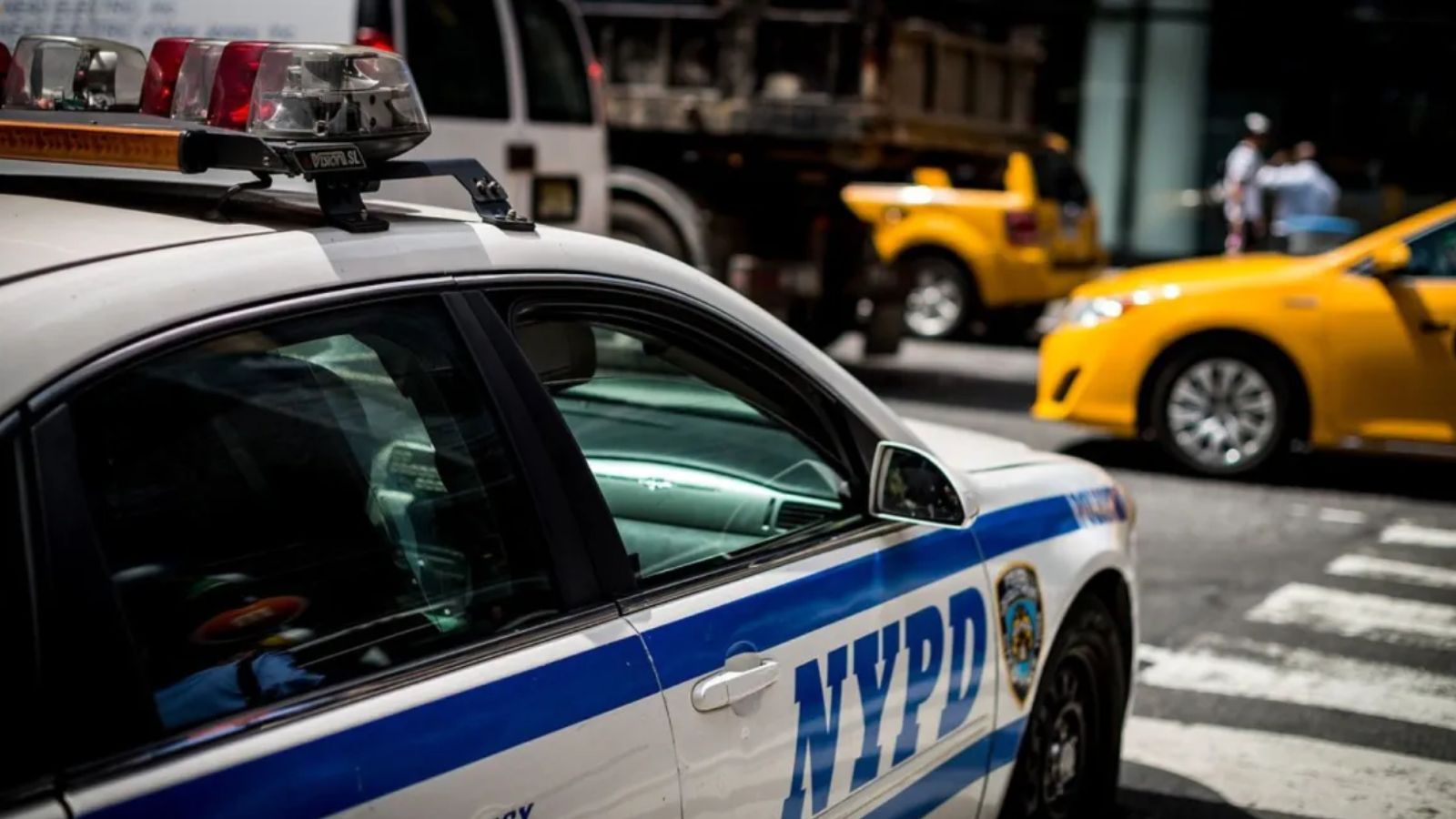
Law enforcement personnel stationed nearby responded within seconds, drawing sidearms and forming perimeters around a blue sedan parked near the intersection. They recovered a single firearm and took a suspect under the age of 18 into custody. The efficiency of the arrest, however, does little to obscure the underlying issue. The weapon had already been smuggled into one of the most heavily policed zones on earth, and the psychological damage to the city’s public image was already done.
The Intersection of Two Global Spectacles
The timing of the gunfire could not have been more problematic for city administrators. Earlier that morning, the city hosted a massive ticker-tape parade celebrating the first New York Knicks basketball championship in over fifty years. The event flooded lower Manhattan with millions of ecstatic residents. As that crowd dispersed, many migrated uptown to Times Square, joining thousands of international visitors who had arrived for the opening week of the FIFA World Cup.
Times Square had organically transformed into an unofficial hub for soccer supporters from Argentina, Morocco, Brazil, and Europe. The square was a vibrant mixture of flags, jerseys, and chants, functioning as a high-profile advertisement for New York as a welcoming global metropolis. This concentration of international attention means that any security lapse is immediately broadcast worldwide.
Managing a city under the weight of two historic sporting events simultaneously strains municipal resources to their absolute limit. Sanitation, transit, and emergency services were already working extended shifts. When a shooting occurs under these conditions, the strain threatens to break the system. The NYPD had flooded the area with uniformed officers, yet the sheer volume of humanity created an environment where an individual carrying a concealed weapon could move undetected.
The Failure of Predictive Urban Policing
Over the last two decades, New York has invested hundreds of millions of dollars into high-tech surveillance infrastructure. Times Square is ringed with facial-recognition cameras, license-plate readers, and radiation detectors. It is monitored by drones and overseen by specialized counter-terrorism units equipped with automatic weapons. This architecture is designed to detect and deter organized mass-casualty attacks.
It remains remarkably ineffective against spontaneous, localized street violence.
The security apparatus looks for anomalies in behavior or specific tactical profiles. It cannot predict when an individual, driven by a personal dispute or teenage bravado, will pull a handgun from a waistband. This highlights a fundamental flaw in modern policing philosophy. Municipalities have traded traditional, relationship-based beat policing for technological panopticons. While data feeds provide excellent forensic evidence after a crime has occurred, they offer little preventative utility in the heat of the moment.
The presence of hundreds of officers did not deter the shooter on Thursday. This suggests that certain segments of the population operate completely outside the calculated deterrents of the state. When an individual cares nothing for the visible presence of law enforcement, the entire theory of visual deterrence collapses.
Youth Gun Violence and Pre Adult Offending
The arrest of a minor in connection with the Times Square shooting points toward a deeper systemic crisis that city leaders routinely attempt to downplay. Juvenile gun violence in urban centers has risen sharply over recent years. The flow of illegal firearms into the city through interstate corridors remains steady, despite aggressive legislative efforts to curb gun ownership within state lines.
Adolescents are increasingly acquiring firearms through informal networks and online marketplaces. Because their brains are still developing, minors are uniquely susceptible to impulsive behavior, making them far more likely to escalate a minor verbal altercation into a deadly confrontation. When these dynamics play out in a crowded tourist destination, the potential for collateral damage skyrockets.
Treating this purely as a policing failure misses the broader social mechanics at work. The city cannot simply arrest its way out of an illegal firearm pipeline that feeds vulnerable youths. Until federal and state authorities disrupt the economic incentives of gun trafficking, public squares will remain vulnerable to the volatile impulses of armed minors.
The Financial and Psychological Toll of Public Panic
The long-term consequences of the Times Square incident extend far beyond the immediate police report. Times Square is the economic engine of New York's tourism industry, generating billions of dollars in revenue for Broadway theaters, restaurants, hotels, and retail stores. The viability of this ecosystem depends entirely on the perception of safety.
When international news outlets carry footage of terrified families sprinting away from gunfire, that perception is wounded. Potential visitors face a choice, and many will choose destinations that do not require navigating active shooter panics. The economic fallout from a single public panic can manifest months later in reduced hotel bookings and lower ticket sales.
Furthermore, the psychological toll on the city's populace should not be underestimated. Living under a constant state of heightened alertness creates a collective trauma. When everyday spaces become sites of potential violence, citizens begin to withdraw from public life, eroding the social cohesion that makes a great city function.
Rethinking Mass Gathering Security
The current strategy of saturating public squares with heavily armed tactical units has reached its point of diminishing returns. New York must consider alternative models of crowd safety that prioritize flow, de-escalation, and physical infrastructure over mere armed presence.
One approach involves rethinking the architectural layout of spaces like Times Square during high-volume events. Creating clear lanes of movement, visible exit pathways, and designated areas for assembly can mitigate the severity of a stampede if panic occurs. Additionally, training public-facing workers in theaters and restaurants in crowd management techniques could provide a critical layer of civilian leadership during a crisis.
Ultimately, the city must accept that total control is a myth. No amount of technology or manpower can guarantee absolute safety in an open, democratic society. The goal must shift from trying to build an impenetrable fortress to building a resilient urban environment that can absorb shocks without descending into systemic chaos. Thursday afternoon was a stark warning that the current model is fraying under the pressure of the moment.