Ten people are dead in Guinea because the state tried to enforce a gold mining ban. If you read the standard wire reports, the story is painfully simple. Desperate, illegal miners clashed with security forces trying to protect the environment and regulate a chaotic sector.
That narrative is lazy, self-serving fiction.
I have spent years watching West African resource policy play out on the ground, and every single time a government rolls out a heavy-handed "artisanal mining ban," the press swallows the official press release whole. Journalists frame it as a tragic collision between ecological preservation and poverty. They completely miss the real mechanism driving the bloodshed.
In Guinea, a mining ban is rarely an environmental policy. It is an asset transfer disguised as law enforcement.
When Conakry—or Bamako, or Ouagadougou—suddenly discovers an urgent moral need to clear thousands of informal diggers off a patch of red dirt, follow the concession maps. Nine times out of ten, a military sweep against artisanal miners is simply state-subsidized land clearing for an incoming industrial license holder, or a violent renegotiation of who collects the informal tax at the pithead.
The Lie of the "Illegal" Miner
To understand why people are willing to die over a muddy pit in Upper Guinea, you first have to throw away the Western legal binary of "legal" versus "illegal."
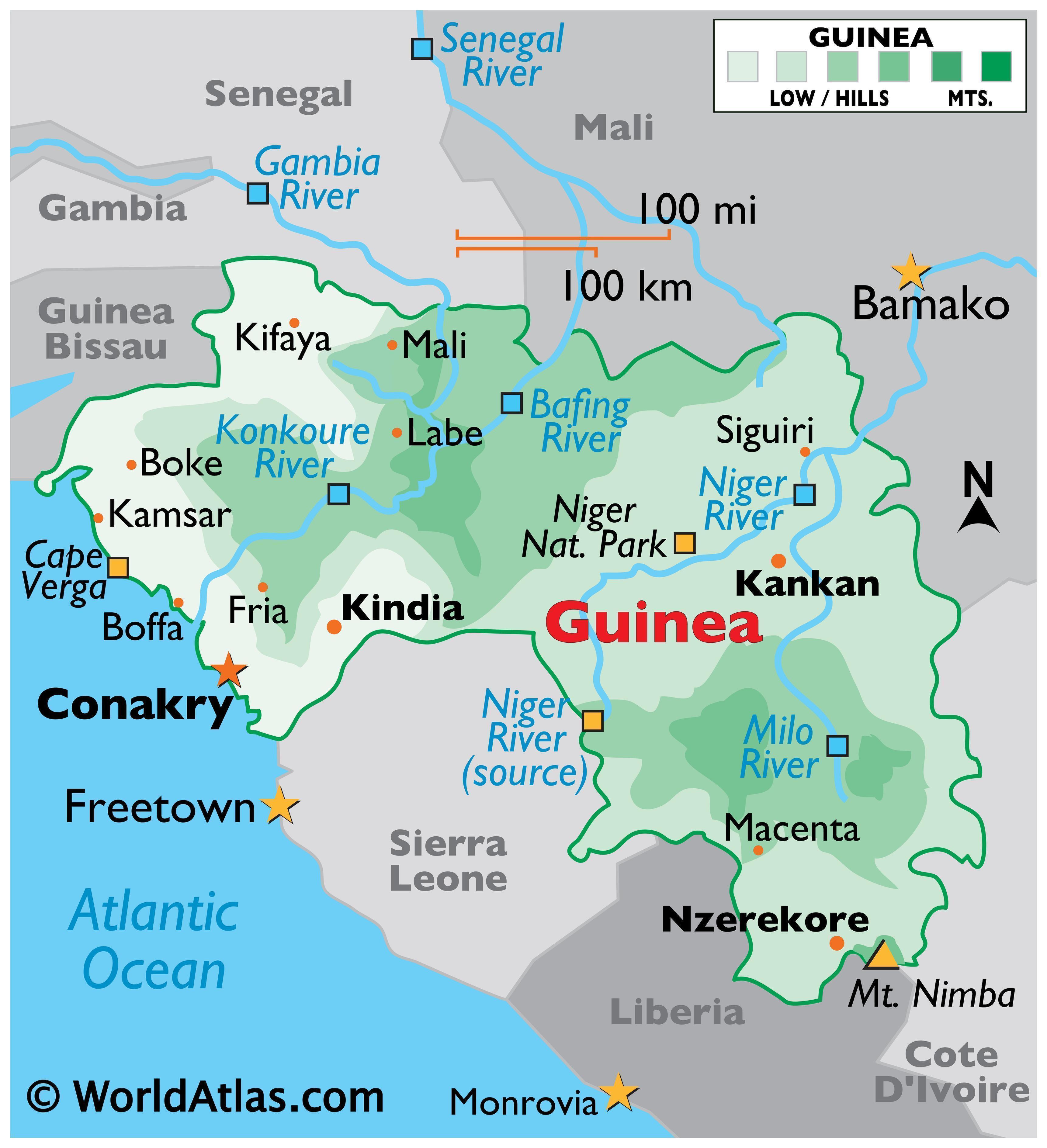
In the Siguiri and Mandiana prefectures—the historical heartland of the ancient Mali Empire's gold wealth—gold digging is not a crime wave. It is the foundational economy. Locally known as orpaillage, artisanal and small-scale gold mining (ASGM) is governed by centuries-old customary land tenure systems. Village councils, traditional land chiefs (maîtres de la terre), and local youth associations (tombolomas) regulate who digs, where the shafts go, and how the proceeds are split.
Then the central government in Conakry draws a polygon on a digital map in the Ministry of Mines, takes a signature bonus from a foreign or politically connected industrial operator, and declares the people whose ancestors have worked that soil for seven hundred years to be "trespassers."
The lazy consensus in international media treats the state's Mining Code as the baseline of legitimacy and the village's customary law as an aberration. On the ground, the exact opposite is true. To a miner in Siguiri, the soldier arriving with an assault rifle to enforce a seasonal or permanent ban is not upholding the law. He is an armed invader violating a social contract that predates the Republic of Guinea by half a millennium.
When you criminalize a population's primary survival mechanism overnight without offering a single viable economic alternative, violence is not an unintended side effect. It is the predictable outcome.
Why Mining Bans Always Backfire
Governments across the Sahel and West Africa love mining bans because they look decisive on television and satisfy international donors worried about mercury pollution and deforestation. In reality, blanket bans are the single most destructive policy tool in resource governance.
I have watched ministries burn millions of dollars on military task forces to clear artisanal sites, only to watch the exact same pits reopen forty-eight hours after the trucks pull out. Here is what actually happens when a state tries to shut down orpaillage by force:
- The rent-seeking spike: A ban does not stop gold extraction; it simply raises the price of protection. Local commanders, gendarmes, and administrative officials immediately realize that an illegal mine is far more profitable to tax than a legal one. Miners pay higher bribes to work at night, which drastically increases fatal shaft collapses.
- The flight to criminal syndicates: When legitimate local buyers can no longer operate openly, financing shifts to illicit cross-border networks. Gold smuggling through neighboring Mali, Côte d'Ivoire, and Senegal surges, depriving Guinea's central bank of the exact foreign exchange reserves it claims to be protecting.
- The destruction of trust: Once security forces shoot unarmed or lightly armed diggers, any future attempt at formalization—registering cooperatives, introducing mercury-free processing plants, or collecting modest local taxes—dies for a generation.
The Intergovernmental Forum on Mining, Minerals, Metals and Sustainable Development (IGF) and the World Bank's own extractives teams have documented this cycle repeatedly across sub-Saharan Africa. Coercion pushes artisanal miners deeper underground, both literally and financially.
The Question Everyone Is Asking Wrong
Whenever blood spills at a mine site in West Africa, commentators immediately ask: How can Guinea better enforce its mining laws to stop illegal extraction?
That is the wrong question entirely. Enforcement capacity is not the bottleneck. You could deploy half the Guinean military to Upper Guinea and you still would not stop millions of people from digging up metal that trades at record global highs.
The real question is: Why is the state treating its largest private-sector employer like an insurgency instead of a domestic industry?
Look at the numbers. Industrial gold mines—operated by giants like AngloGold Ashanti or Nordgold—generate massive headline tax revenues and export figures, yet they employ a tiny fraction of the local workforce because modern open-pit mining is capital-intensive, not labor-intensive. Artisanal mining, by contrast, directly and indirectly supports hundreds of thousands of Guineans. It funds school fees, buys corrugated iron roofs, pays for medical emergencies, and circulates cash directly into rural markets where commercial banks do not even have branches.
By framing orpaillage purely as a security threat or an ecological disaster, policymakers blind themselves to the fact that artisanal miners are already doing what every development agency claims to want: generating rural, broad-based, indigenous capital without a cent of foreign aid.
What Actually Works (And Why Politicians Hate It)
If Conakry actually wanted to stop the bloodshed, curb environmental damage, and capture gold revenues, the blueprint is neither mysterious nor theoretical. It just requires politicians to give up centralized control over mining permits—which is precisely why they resist it.
- Carve out permanent, exclusive ASGM zones. Stop handing out overlapping exploration permits to junior mining companies over active artisanal hubs. Legally ring-fence high-yield alluvial zones strictly for Guinean citizens and cooperatives. When miners own legal title to the ground, they invest in safer timber shoring and cleaner processing because they are not terrified of being evicted tomorrow morning.
- Replace military sweeps with mobile buying centers. Miners sell to smugglers because smugglers show up at the pit with cash and ask no questions. When state-backed or licensed private aggregators set up transparent buying desks near the sites—offering near-spot international prices in local currency without punitive paperwork—smuggling drops overnight.
- Empower the tombolomas instead of fighting them. Traditional mining police already maintain order, resolve boundary disputes, and enforce safety rules at the local level. Integrating these customary authorities into the formal regulatory framework costs a fraction of a military deployment and carries immediate local legitimacy.
- Decentralize the tax take. If 100% of mining royalties vanish into a ministry account in Conakry, local communities have zero incentive to cooperate with state inspectors. Keep a guaranteed, visible percentage of gold duties inside the producing prefecture to fund roads, clinics, and water wells.
To be clear, this approach is messy. Formalizing artisanal mining will not instantly eliminate mercury use, nor will it produce the neat, predictable quarterly tax spreadsheets that International Monetary Fund missions love to see. Empowering local cooperatives also means central government officials lose the lucrative discretion to hand out exploration licenses to political allies.
That tradeoff is the real reason ten people are lying in morgues today.
Until Guinea's leadership decides that the lives and livelihoods of its own rural citizens outweigh the convenience of clearing land for industrial concessions, every "mining ban" will end the exact same way—with soldiers in the dirt, bodies on the ground, and the gold flowing out of the country anyway.