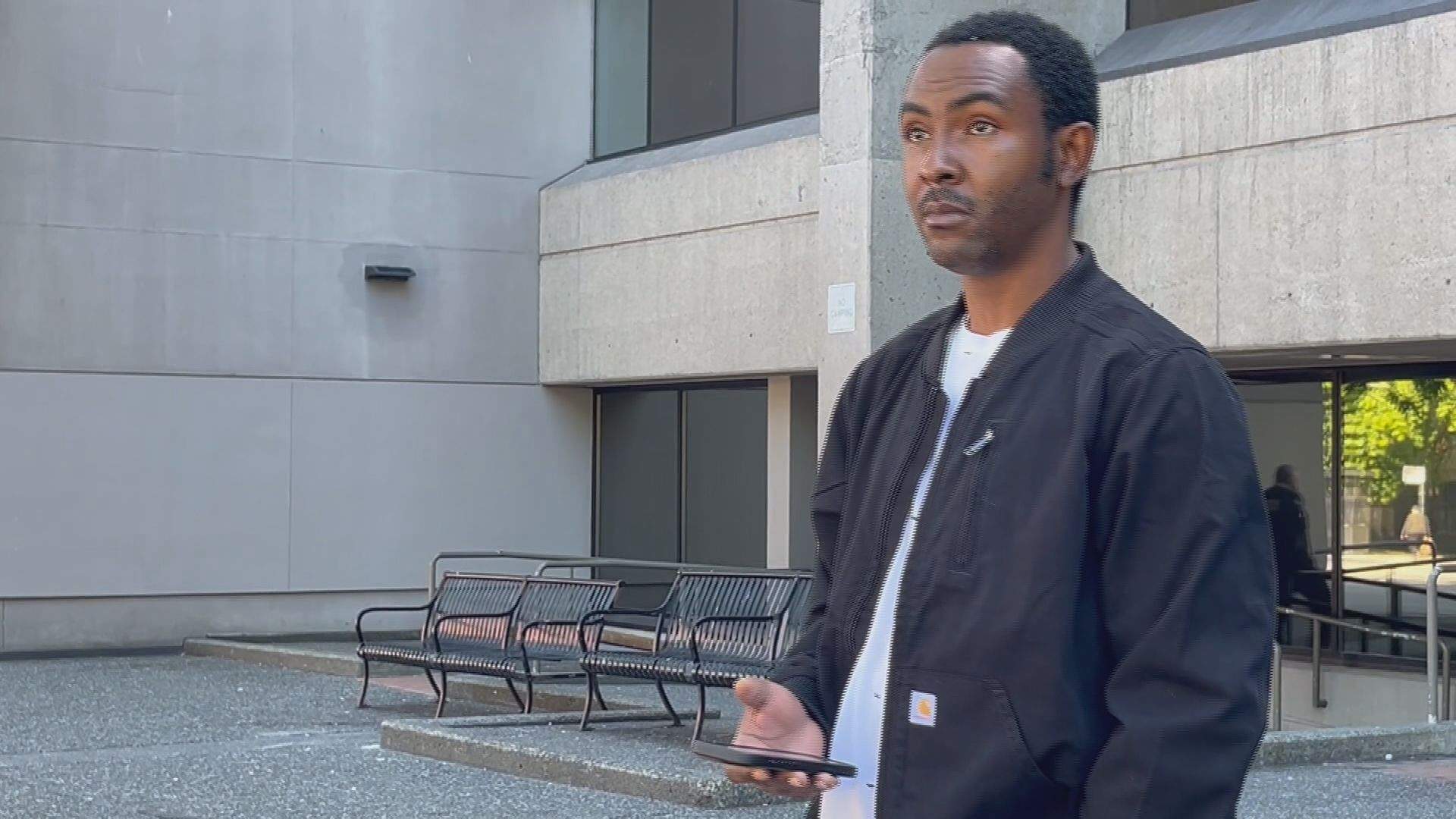
Someone walks along a public seawall on a quiet afternoon, minding their own business, and gets attacked out of nowhere by a complete stranger. You expect prison bars. You expect years behind concrete walls. Instead, the court hands down a conditional sentence—essentially house arrest—and the internet loses its collective mind.
Look at the public reaction whenever a headline breaks about a man receiving a conditional sentence in a seawall tourist stranger attack. Comment sections erupt with rage. People assume the justice system has completely given up on public safety, or that violent offenders are getting a free pass to walk the streets.
Honestly, that reaction makes total sense on a gut level. A random attack on a tourist at a landmark like the Vancouver Seawall strikes at a basic human need—feeling safe in public spaces. Yet the outrage usually stems from a massive misunderstanding of how conditional sentence orders actually work under Canadian criminal law, why judges impose them even in disturbing cases, and what happens when an offender screws up.
Why a Conditional Sentence Isn't a Slap on the Wrist
Let's clear up the biggest myth first. A conditional sentence order (CSO) isn't probation, and it sure isn't an acquittal. Under Section 742.1 of the Criminal Code of Canada, a conditional sentence is legally classified as a term of imprisonment. The difference isn't whether the person is serving jail time—it's where they serve it.
Instead of sitting in a provincial correctional facility, the offender serves their jail sentence inside the community under strict, court-mandated conditions. Think of it as jail at home, backed by the immediate threat of real bars if they step out of line.
When a judge hands down a conditional sentence in a stranger assault case, the offender typically faces several binding restrictions:
- Strict house arrest or curfews that require them to stay inside their residence 24/7 during the first phase of the sentence, leaving only for verified work, medical emergencies, or court-ordered therapy.
- Electronic monitoring, often via an ankle bracelet, so probation officers know the exact second they leave their front door without permission.
- Mandatory abstinence from alcohol and non-prescription drugs, paired with random testing.
- No-contact orders and geographic bans keeping them far away from the victim and the specific location of the attack, such as a waterfront walkway or downtown district.
- Compulsory psychiatric or addiction treatment aimed at fixing the underlying trigger that caused the random violence in the first place.
If the offender breaches even a minor rule—say they show up twenty minutes past curfew or get caught with a beer—they don't get a fresh trial. They get hauled back before the sentencing judge, and the court can collapse the conditional order and send them straight to a physical jail cell to serve the remainder of their sentence behind bars.
What Drives Judges to Choose House Arrest in Seawall Stranger Attacks
You might wonder how a judge looks at an unprovoked assault on an innocent tourist and decides community custody makes sense. Judges don't make these calls on a whim. They operate inside rigid statutory boundaries set by Parliament and interpreted by the Supreme Court of Canada.
To qualify for a conditional sentence in Canada, several legal boxes must be checked:
- The offence cannot carry a mandatory minimum prison sentence.
- The appropriate prison term must be less than two years (meaning a provincial jail term, not a federal penitentiary sentence).
- Serving the sentence in the community must not endanger the safety of the public.
- The sentence must align with the fundamental principles of sentencing—specifically denunciation and deterrence.
In high-profile stranger attacks along tourist corridors like Vancouver's Stanley Park Seawall or False Creek, prosecution and defence lawyers battle fiercely over that third point: public safety. When a judge still opts for a conditional sentence, there's almost always a specific, documented reason buried in the court transcripts that short news blurbs leave out.
Acute Mental Health Crises and First-Time Offenders
Many unprovoked stranger assaults involve offenders experiencing an acute, untreated psychotic episode, severe bipolar mania, or a sudden medication failure. When an individual has zero prior criminal record, a documented psychiatric diagnosis, and a spotless compliance record while on bail awaiting trial, judges weigh two competing realities.
Sending a mentally ill first-time offender into an overcrowded provincial remand centre often strips them of specialized psychiatric care and exposes them to hardened criminals. Six months later, they walk out of jail untreated, destabilized, and vastly more dangerous to the public than the day they went in. Keeping them under strict house arrest with mandatory clinical supervision forces them to stay medicated and monitored for up to two years.
Gladue Principles and Systemic Factors
When an offender is Indigenous, Canadian courts are legally required under Section 718.2(e) of the Criminal Code and the Supreme Court's landmark R. v. Gladue ruling to consider systemic background factors, generational trauma, and restorative alternatives to incarceration. A judge doesn't ignore the violence suffered by the tourist, nor do they give a free pass, but they must weigh whether community-based custody achieves better long-term rehabilitation than institutional confinement.
Early Guilty Pleas and Genuine Remorse
Trials traumatize victims all over again. When a tourist gets attacked on vacation, flying back across the country or across an ocean to testify in a courtroom months later adds financial and emotional insult to injury. Defence counsel often negotiate joint submissions—or argue heavily for conditional custody—when an accused enters an immediate guilty plea, spares the victim from testifying, and demonstrates verifiable remorse.
The Tourism Factor and Public Fear
Here's where legal logic collides head-on with public reality. A seawall isn't just a concrete path; it's the living room of a coastal city. Locals jog there at dawn. Families push strollers there on Sundays. Tourists spend thousands of dollars to walk those waterfront miles because the city markets itself as safe, scenic, and welcoming.
When a stranger attack happens in a space like that, the victim isn't just the individual who got shoved, punched, or knocked to the pavement. The victim is everyone's sense of predictability.
I've watched how these stories ripple through local communities and travel forums. One viral headline about a tourist getting blindsided on a waterfront path does more damage to a city's reputation than a dozen bar fights at 2:00 AM. People accept that bad things happen in dark alleys late at night. They refuse to accept getting attacked in broad daylight while taking photos of the harbour.
Because of that fear, conditional sentences feel deeply unsatisfying to the public. Denunciation—the legal idea that a sentence should express society's collective disgust at a crime—feels muted when the attacker sleeps in their own bed the night after sentencing. Even if that bed sits inside a monitored house arrest zone, the optics look terrible to a recovering tourist nursing bruises back home.
Why Bill C-5 Changed the Sentencing Landscape
If you feel like you're seeing more conditional sentences for violent offences lately than you did five or ten years ago, you aren't imagining things. The rules literally changed.
In November 2022, Parliament passed Bill C-5, which repealed several mandatory minimum penalties and expanded the availability of conditional sentence orders across Canada. Prior to Bill C-5, certain offences—even when prosecuted summarily or carrying sentences under two years—were automatically barred from conditional sentences.
By removing those restrictions, Parliament handed trial judges wider discretion to impose house arrest in cases that previously required physical incarceration. Supporters argued the reform was necessary to reduce over-incarceration of marginalized groups and address prison overcrowding. Critics, including many police associations and municipal leaders, warned it would weaken deterrence for street-level violence and repeat offenders.
The result? Judges now have the legal green light to use conditional sentences in borderline assault cases where they previously couldn't, provided they believe strict conditions can manage the offender's risk.
What Happens When a Conditional Sentence Fails
Critics love to claim conditional sentences have no teeth. In practice, breach proceedings in Canadian criminal courts tell a different story.
When a conditional sentence supervisor—essentially a specialized probation officer—suspects an offender has violated house arrest, they issue a breach report immediately. Unlike a standard bail breach, which requires Crown prosecutors to prove guilt beyond a reasonable doubt at a brand-new trial, a conditional sentence breach hearing operates on a balance of probabilities.
That's a massive legal distinction. The bar for sending the offender to jail is way lower.
At a breach hearing, the judge has four options:
- Take no action (rare, usually reserved for verified medical emergencies where the offender couldn't call ahead).
- Change the optional conditions to make them even more restrictive.
- Suspend the conditional sentence order for a set period, sending the offender to jail for a few weeks or months before resuming house arrest.
- Terminate the conditional sentence order completely and commit the offender to a correctional institution to serve the rest of the sentence behind bars.
If an offender gets an 18-month conditional sentence for a seawall assault and breaks curfew in month three, they don't just get a fine. They risk spending the remaining 15 months inside a provincial jail cell, with zero credit for good behaviour during the breach.
How to Read Court Reporting Without Getting Misled
Because we don't have the specific court docket for every single seawall incident in front of us here, it's worth knowing how to spot what's missing whenever you read a short crime brief about a conditional sentence. Local news outlets often run 300-word wire summaries right after a sentencing hearing. Those quick hits capture the shock of the crime and the final sentence, yet they routinely omit the legal context that drove the decision.
Next time you read about a stranger assault ending in a conditional sentence, look for four specific details in the reporting:
- The exact length of the CSO versus probation. A 12-month conditional sentence followed by two years of probation means three full years of state control, not a free walk out the courthouse doors.
- Whether the Crown asked for jail or agreed to a joint submission. If prosecutors themselves agreed to house arrest, there was almost certainly an evidentiary weakness in the case or an overwhelming mitigating factor like severe cognitive impairment.
- The presence of a Section 810 peace bond or weapons prohibition. Judges frequently tack on multi-year firearm bans and DNA databank orders alongside conditional sentences.
- Pre-sentence custody credit. Sometimes an offender has already spent four or six months sitting in pre-trial detention before the sentencing hearing even happens. Judges legally must factor that "dead time" into the final equation.
Practical Steps If You Witness or Experience a Public Assault
Understanding how the courts operate doesn't make public spaces feel safer on its own. Knowing how to react—and how to document an incident so prosecutors actually have the evidence needed to secure a strong conviction—gives you real agency when things go sideways.
If you ever witness or experience an unprovoked attack on a public path or seawall, take these immediate actions:
- Create distance before pulling out your phone. Put physical barriers—benches, railings, parked vehicles, or groups of people—between yourself and the aggressor before calling emergency services.
- Call 911 immediately and state exact landmarks. Seawalls and waterfront parks lack standard street addresses. Use bridge names, marina piers, public art installations, or numbered light poles so dispatchers can route patrol units directly to your pin.
- Record clothing, footwear, and direction of travel. People ditch jackets and hats within minutes of an assault. Focus on shoes, backpack colours, distinctive gait, and which street exit they took off the path.
- Ask bystanders to stay for five minutes. Random assaults happen fast, and witnesses often scatter once the aggressor leaves. Ask two nearby people to wait until officers arrive so police have independent corroboration beyond a single victim statement.
- Request a Victim Impact Statement form early. If you're a visitor injured in another city, connect with the local police victim services unit before flying home. Judges are legally required to read your Victim Impact Statement during sentencing, and a clear, detailed account of the financial, physical, and psychological fallout carries real weight in court.
Courts balance rehabilitation, mental health realities, and strict statutory limits every single day, often producing outcomes that look baffling from the outside. Knowing the difference between walking free and serving house arrest under threat of immediate incarceration won't erase the anger over a random attack—but it shows you the actual machinery running behind the headlines.