The Empty Currency of International Condolences
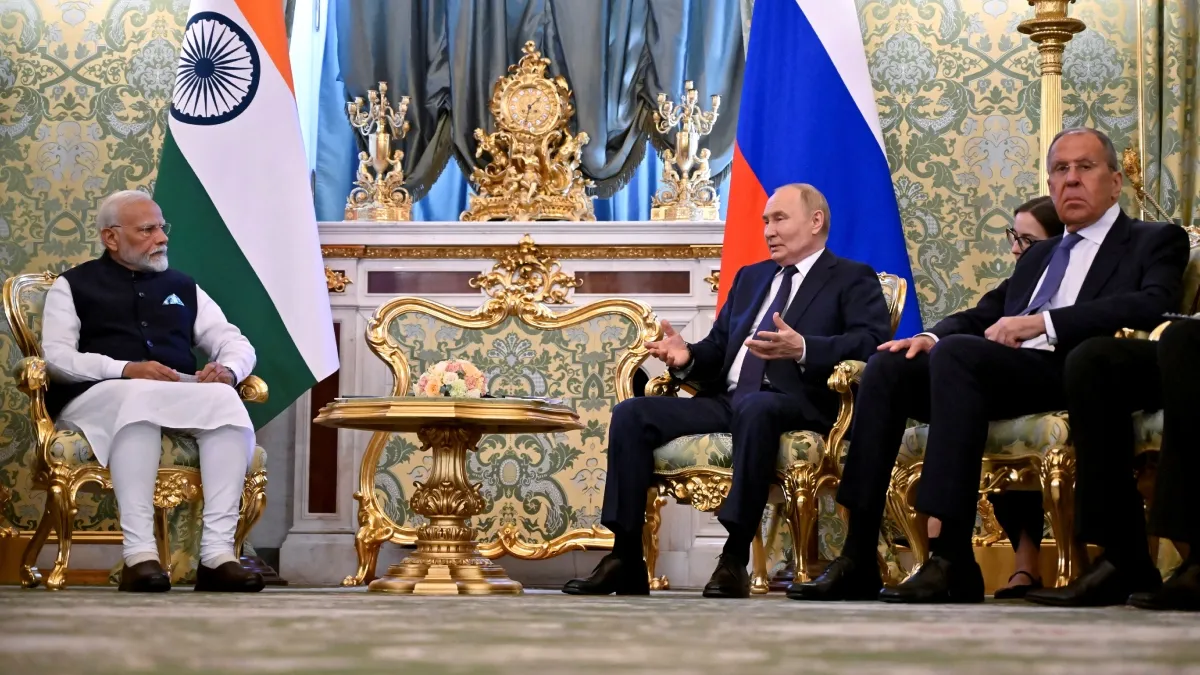
When a thunderstorm tears through Uttar Pradesh, leaving a trail of destruction and lost lives, the machinery of global diplomacy pivots with the speed of a pre-programmed script. Vladimir Putin sends his condolences. A spokesperson issues a statement. The press dutifully copies and pastes the wire report. This is the "lazy consensus" of modern tragedy reporting: we treat these diplomatic gestures as if they carry weight, meaning, or impact.
They don't.
Stop viewing these statements as acts of empathy. They are strategic signaling maneuvers disguised as human connection. When the Kremlin "wishes a speedy recovery" to the injured in a rural Indian province, it isn't an outpouring of grief; it’s a maintenance check on the multi-billion dollar defense and energy relationship between Moscow and New Delhi.
The standard news cycle wants you to believe this is a story about international solidarity. It’s actually a story about the commodification of sympathy.
The Geography of Selective Sorrow
Notice the math of misery. A thunderstorm in Uttar Pradesh kills dozens, and it warrants a formal cable from a superpower. Meanwhile, similar or greater loss of life occurs in central Africa or Southeast Asia every week with zero acknowledgement from the same offices.
Why the discrepancy? Because condolences are a finite resource used to lubricate specific geopolitical gears.
India is a massive buyer of Russian S-400 missile systems and crude oil. Therefore, the weather in Uttar Pradesh matters to the Kremlin. If there were no Su-30MKI fighter jet contracts on the table, the telegrams would stay unsent. This isn't cynical conjecture; it's the reality of the diplomatic toolkit.
We have been conditioned to accept these performative gestures as "news." In reality, they are the press release equivalent of a "Thinking of You" card sent by a debt collector. It’s a way to keep the line of communication open without actually saying anything of substance.
The Logistics of a Thunderstorm
To understand why a presidential condolence is a distraction, you have to look at the actual mechanics of the disaster. Thunderstorms in Northern India are not just "weather events." They are failures of infrastructure and forecasting communication.
The science of these storms, often referred to locally as "Andhi," involves massive convective energy.
$$CAPE = \int_{LFC}^{EL} g \left( \frac{T_{v,parcel} - T_{v,env}}{T_{v,env}} \right) dz$$
The Convective Available Potential Energy (CAPE) during the pre-monsoon and monsoon seasons in the Indo-Gangetic Plain is astronomical. When $CAPE$ values exceed $3000\text{ J/kg}$, the resulting downdrafts and lightning strikes are lethal.
The tragedy isn't that a storm happened. The tragedy is that the "condolence economy" focuses on the high-level PR rather than the ground-level failure to harden the power grid or provide adequate shelter for those living in kucha houses. While leaders exchange pleasantries, the structural vulnerability of the region remains unchanged.
The Myth of Global Solidarity
People often ask: "Isn't it better that they say something rather than nothing?"
No.
Silence would be more honest. By flooding the news cycle with performative grief, we create a false sense of global oversight. It suggests that the world’s "big players" are watching and care about the welfare of the Indian farmer. They aren't. They are watching the trade balance.
I’ve spent enough time in the rooms where these statements are drafted to tell you how it works. A mid-level staffer sees a headline, checks the "Strategic Partnership" spreadsheet, and pulls a template from a folder.
- Template A: For allies (Insert: "Deeply saddened," "Standing with you").
- Template B: For adversaries (Insert: "Monitoring the situation," "Our thoughts are with the people").
There is no soul in this machine.
Why the Media Keeps Falling for It
The media repeats these stories because they are easy. They require no investigative legwork, no understanding of meteorology, and no critique of urban planning. It’s a "safe" story.
But this safety is a disservice. Every column inch spent on Putin’s condolences is an inch stolen from the questions that actually matter:
- Why does the lightning death toll in India remain so high compared to other regions with similar storm profiles?
- Where is the accountability for the failure of early warning systems to reach the last mile?
- How much of the aid promised after previous "condolences" actually reached the affected families?
By focusing on the "wishes for a speedy recovery," the press helps the state bypass these uncomfortable inquiries. We are trading accountability for etiquette.
The Reality of the "Speedy Recovery"
The phrase "wishes for a speedy recovery" is perhaps the most egregious piece of linguistic fluff in the diplomatic dictionary.
A recovery from a catastrophic storm in a developing rural economy is never "speedy." It is a grueling, years-long process of rebuilding debt-laden farms, replacing livestock, and mourning family members who were the primary breadwinners.
When a foreign leader uses that phrase, they are signaling their total detachment from the reality of the situation. It’s a sterile, clinical wish that costs nothing and does nothing.
Stop Politicizing the Weather
The true contrarian take is this: We should ban the reporting of official condolences unless they are accompanied by a specific, legally binding pledge of resources or policy change.
If a leader isn't sending technical experts to help with grid resilience or opening up patent-free weather tracking tech, their words are noise. We are currently drowning in noise.
The next time you see a headline about a world leader expressing "deep sorrow" over a natural disaster in a strategic partner's territory, try a simple mental exercise. Replace the name of the leader with "The Marketing Department" and replace the word "condolences" with "brand awareness."
"The Marketing Department expresses brand awareness on loss of lives..."
Suddenly, the headline makes sense. Suddenly, the world looks a lot clearer.
The residents of Uttar Pradesh don't need telegrams from the Kremlin. They need lightning rods, stable housing, and a media that stops treating high-level PR stunts as if they were a form of humanitarian aid.
Burn the scripts. Demand the data. Ignore the "grief" of the powerful.