The Architecture of Managed Friction
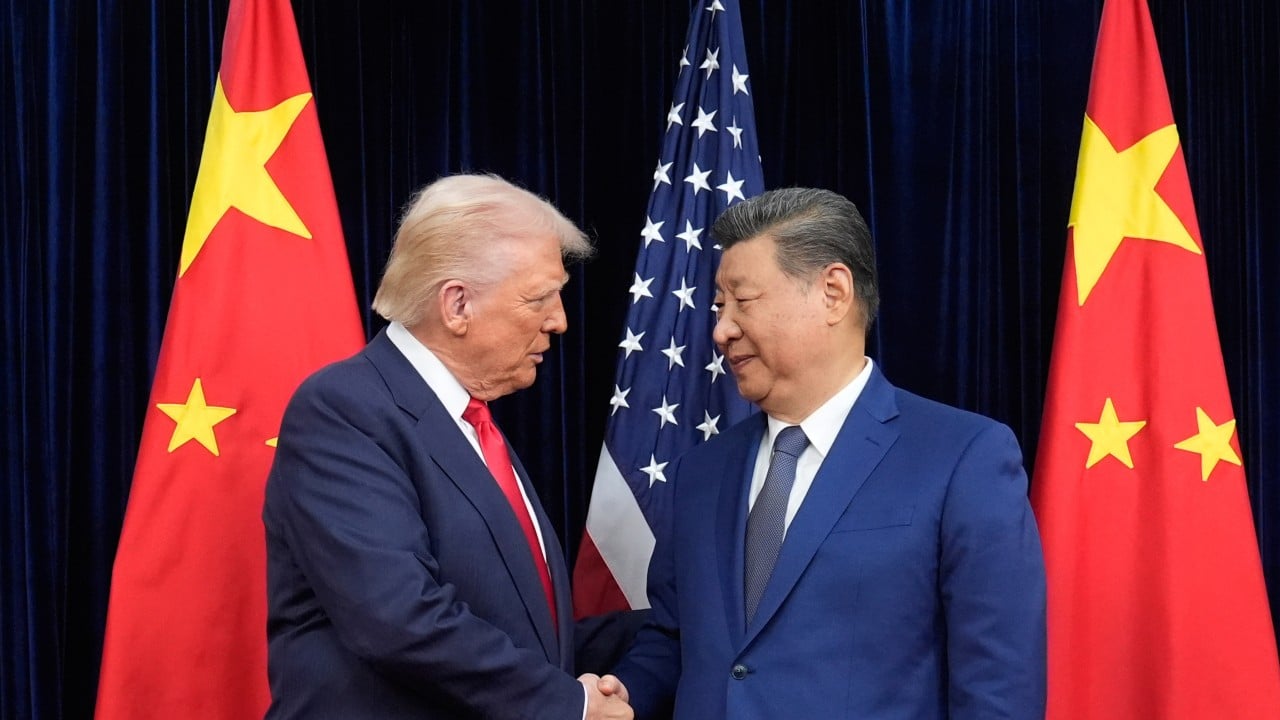
Superpower rivalry rarely resolves with a dramatic signing ceremony or a sudden outbreak of permanent harmony. Instead, the relationship between Washington and Beijing has settled into a grinding, permanent test of endurance. This dynamic avoids open conflict while sustaining enough economic pressure to keep both capitals perpetually on edge.
Trade deficits, semiconductor restrictions, and maritime patrols form an endless loop of tit-for-tat positioning. Neither side wants total decoupling because the financial shockwaves would shatter domestic stability in both countries. Yet neither side trusts the other enough to drop the tariffs, lift the tech bans, or cede strategic waterways.
Supply Chains in the Crosshairs
Corporate boards spent decades treating globalization as an unshakeable law of physics. Factories clustered where labor was cheapest, and components traveled across oceans dozens of times before final assembly. That assumption cracked the moment geopolitical friction turned shipping lanes and export controls into political weapons.
Companies now operate under the heavy burden of redundancy. Building backup factories in Vietnam or Mexico eats into profit margins, but relying solely on traditional manufacturing hubs invites catastrophic disruption. Executives call this risk mitigation, though it looks much more like an expensive retreat from efficiency.
The Semiconductor Battleground
Silicon powers everything from household appliances to guided missiles, making microchips the central currency of modern statecraft. Export controls designed to starve competitors of advanced processing nodes have redrawn the map of technological innovation.
Beijing pours billions into domestic research to bypass these bottlenecks, while Western capitals tighten the screws to maintain their edge. This technological race creates an expensive duplication of effort. Two separate digital ecosystems are quietly taking shape, ensuring that software and hardware built for one market may soon fail to function in another.
Maritime Posturing and Calculated Risk
Naval fleets shadow one another in the South China Sea with rigid adherence to protocols designed to prevent accidents. Every transit through the Taiwan Strait is scrutinized by analysts looking for subtle shifts in posture or willingness to escalate.
Communication channels remain open precisely because the cost of a miscalculation is too high to contemplate. Military hotlines stay active, and diplomats hold quiet meetings behind closed doors to reset boundaries whenever tensions spike. Diplomacy here does not mean friendship. It means setting clear tripwires to keep a diplomatic dispute from mutating into a shooting war.
Market stability depends entirely on this disciplined management of hostility. Investors have learned to price in the constant background radiation of geopolitical noise, treating threats of economic retaliation as routine weather patterns rather than existential shocks.
The Cost of Perpetual Standby
Living with managed tension comes with a hidden tax. Innovation slows when researchers must navigate strict security clearances and export blacklists. Capital that could fund green energy transitions or public infrastructure gets diverted into defense budgets and industrial subsidies.
Neither government can afford to show weakness at home, which guarantees that rhetorical hostility will remain high regardless of what happens behind closed doors. Leaders posture for domestic audiences while quietly striking deals to keep cargo moving across the Pacific.
The status quo satisfies no one, yet it persists because every alternative looks significantly worse. Peace remains out of reach, but total rupture is too dangerous to permit.