The air at a high school track meet smells of crushed cinders, stale sunscreen, and the distinct, sharp iron of adrenaline. It is supposed to be a place of uncomplicated kinetic joy. Start lines. Finish tapes. The collective roar of parents huddled under nylon canopy tents, watching their children chase fractions of a second.
Then, the world breaks.
In May 2023, the bleachers at a Texas track meet did not hum with celebration. They shook with panic. A sudden, violent altercation erupted amid the noise of spiked shoes hitting the turf, leaving a young life extinguished in a blur of motion and steel. It was a tragedy that defied the ordinary grammar of youth sports. You do not send your child to an afternoon of athletic competition to watch an ambulance tear across the infield.
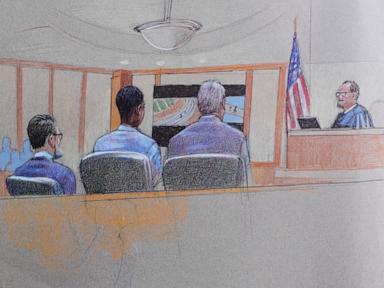
Months later, the legal machinery ground forward. A Texas teenager was convicted in that fatal stabbing, branded by a jury’s verdict, and handed the crushing weight of institutional accountability. But the legal docket is rarely satisfied with a single period at the end of a sentence. It prefers a comma. Sometimes, an entire paragraph of revisions.
Now, that same convicted teen is seeking a new trial. And a new judge.
To understand why requires stepping away from the cold statutes of criminal procedure and looking squarely at the human machinery of the courtroom. Trials are not simply mechanical applications of law; they are fragile ecosystems constructed of human perception, high-stakes pressure, and the persistent ghost of reasonable doubt.
Consider what happens next in the quiet chambers where post-conviction motions are weighed. Defense attorneys sift through the trial record like archaeologists searching for a fracture in the foundation. They look for missteps, overlooked evidence, or the subtle, corrosive influence of judicial bias. To ask for a new judge is to suggest that the original referee of the law dropped their whistle, that the scales were tipped before the first witness even took the stand. It is a heavy accusation. It is also a fundamental pillar of an adversarial system designed on the premise that humans make mistakes, and power unchecked is power abused.
The motion hangs in the balance, heavy with implications for everyone trapped in the wake of that afternoon on the track.
For the victim's family, every legal maneuver feels like a cruel reopening of a wound that has barely scabbed over. They live in the exhausting space between the finality of grief and the perpetual motion of the appellate courts. They remember the sun on the track. They remember the sirens. To watch the person responsible attempt to unravel the verdict is to experience the nightmare on an infinite loop.
For the defense, the argument rests on the absolute necessity of procedural purity. If the rules were broken, the score doesn't matter. That is the cold comfort of constitutional law. It does not care about public outrage. It cares about the transcript. Every objection sustained or overruled becomes a thread in a tapestry of appeal, pulled slowly to see if the whole garment unravels.
We want justice to be clean. We want it to operate like a digital stopwatch, precise and unquestionable. But justice is administered by mortals. It smells of old paper, fluorescent hum, and nervous sweat. It stumbles. It second-guesses itself.
The track meet is long over. The stadium lights have been turned off for years. The medals earned that day sit quietly in dusty bedroom drawers, their luster dimmed by what happened on the infield. Yet the race for finality continues, looping endlessly around a track where no one crosses the finish line first, and the only sound is the heavy, rhythmic beating of a system trying desperately to get it right.