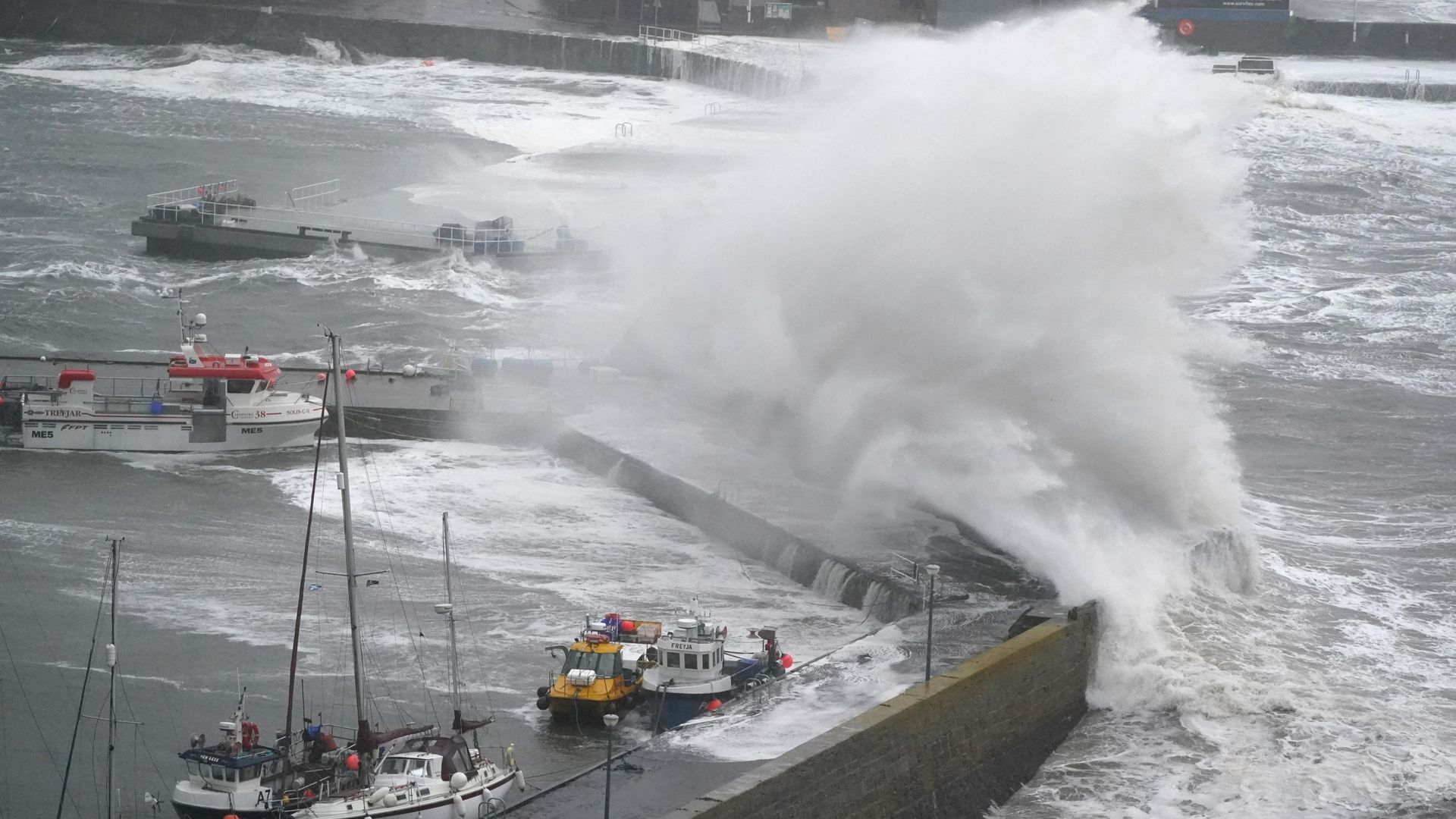
A wooden hull blown apart in open water doesn't just sink a business. It erases decades of family sweat in a matter of seconds.
Along Ecuador's Pacific coast, artisanal crews who wake before dawn to haul tuna, marlin, and dorado are finding themselves caught in the crossfire of aggressive counter-narcotics and anti-cartel operations. What Washington frames as a high-stakes crackdown on maritime trafficking looks very different from a dock in Manta or Jaramijó. When a strike hits the wrong boat—or when a crew vanishes without a trace—families lose their primary source of income overnight.
Honestly, this is what happens when military speed gets treated as a substitute for careful intelligence at sea. You can't treat every vessel carrying fuel drums or working far offshore as a cartel asset without ruining innocent lives.
Why Ecuadorian fishermen get caught in maritime strikes
To understand why fishing boats end up in the line of fire, you have to look at how modern drug trafficking operates in the eastern Pacific. Cartels and criminal networks regularly use small vessels, skiffs, and makeshift refueling setups to move cocaine north or supply faster boats. From an aerial drone or a surveillance plane miles above the swell, a legitimate longline fishing boat and a smuggling support vessel can look frustratingly similar.
Both carry extra fuel for long trips. Both run engines for hours in international waters. Both operate in areas where patrols are thin and smuggling routes overlap with rich fishing grounds.
That overlap creates a lethal margin for error. According to reporting by The Guardian and the Council on Foreign Relations, Ecuadorian fishing crews have faced deadly and destructive strikes at sea in 2026 amid heightened U.S. military operations targeting alleged narco-traffickers. Ecuadorian national police have reported dozens of damaged fishing vessels, while human rights advocates and attorneys have pointed to cases like the Fiorella, which disappeared in January with eight crew members aboard, and attacks on vessels including La Negra Francisca Duarte and Don Maca in March.
Denials, cover stories, and legal pushback
Here's the maddening part for families and investigators alike: accountability is slippery. While U.S. officials have publicly defended aggressive strikes against perceived narco-traffickers in the Pacific and Caribbean, the administration has denied knowledge or responsibility for specific attacks on certain Ecuadorian fishing boats. Ecuador's defense ministry has also left plenty of gray space in its own statements, noting a lack of visibility over unreported foreign aircraft or vessels in international waters.
Meanwhile, sixteen Ecuadorian fishermen who survived the March 17 strike on La Negra Francisca Duarte filed a federal lawsuit in the United States in November 2026. Represented by attorney Daniel Kovalik and local counsel, the suit alleges that drones struck their boat, left two crew members with severe burns, and led to their detention and transfer through El Salvador before they were flown back to Manta. Legal experts and human rights groups, including the American Civil Liberties Union, have sharply questioned the legality of lethal force at sea without arrest warrants or clear proof of imminent armed threat.
Losing a boat means losing everything
If you haven't lived in a coastal fishing town, it's easy to underestimate what a single boat represents. It isn't just equipment you write off on taxes.
For many Ecuadorian families, a boat is a family heirloom passed down from a father or grandfather. It's collateral for small loans, a floating workshop, and the only way a household puts food on the table week after week. When that boat is destroyed, the loss hits on three levels at once:
- Immediate income collapse: Without a vessel, a captain and crew can't go to sea, meaning zero catch and zero wages.
- Unpaid debts: Crews often borrow money for ice, bait, fuel, and repairs before every trip; a sunk boat leaves families owing money with nothing to show for it.
- Physical and mental scars: Survivors aren't just dealing with burns, injuries, or chronic pain—they're dealing with terror, grief for missing crewmates, and deep distrust of authorities.
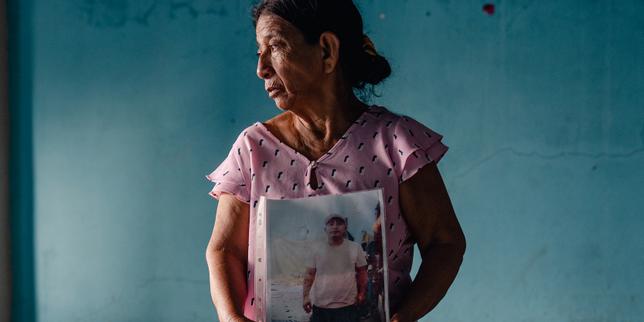
Relatives of missing fishermen from ports like Jaramijó have spoken openly about waiting months for basic answers about where their loved ones are or what happened to them. As María Mero told The Guardian while holding a photo of her missing husband and brother from the Fiorella, poor fishing families don't have luxury lifestyles that look anything like drug trafficking—they just want answers and their people back.
Common misconceptions about offshore fishing
People sitting far from the coast often assume artisanal fishermen stay right next to the beach. Not true. Pelagic species like tuna, mahi-mahi, and marlin push crews dozens or even hundreds of miles offshore, where fuel capacity and longlines are normal parts of the job.
Another myth is that governments automatically compensate innocent victims when a mistake happens. In reality, when responsibility is disputed or strikes occur in murky jurisdictional waters, families can spend years chasing paperwork while surviving on charity or informal work.
What families, advocates, and policymakers can do next
When you're staring down a crisis like this, outrage alone won't fix a shattered hull or bring a missing crew member home. Practical action requires pressing the right pressure points and documenting every detail early.
If you're a family member, community leader, or advocate dealing with the aftermath of a maritime strike or disappearance, start with these concrete steps:
- Lock down records immediately: Gather boat registration papers, crew manifests, GPS or radio logs, photos of the vessel, and medical records for any injuries or burns.
- File formal reports in multiple channels: Submit written statements to Ecuadorian maritime or police authorities, local human rights organizations, and legal aid groups so there's an official paper trail outside informal media interviews.
- Preserve witness accounts while memories are fresh: Write down exact dates, coordinates if known, descriptions of aircraft or vessels, and names of anyone who spoke with the crew before contact was lost.
- Connect with maritime and human rights counsel: Lawsuits and international complaints depend heavily on jurisdiction, evidentiary rules, and documented economic harm to each crew member.
For policymakers and naval commanders, the fix is simpler to state than to enforce, though no less urgent: verify targets before opening fire, stop treating every offshore boat as a cartel combatant, and build a transparent mechanism to account for the dead, the missing, and the livelihoods blown apart along the way.