Whenever a fishing boat disappears off Scotland and leaves one crew member dead and two still missing, the public instinctively reaches for the weather report. Swells build fast in the North Atlantic and the North Sea. Gales spin up with little warning. Yet blaming the sea alone lets the real culprits off the hook far too easily. After decades of covering maritime disasters and commercial fisheries, I have learned that rough water rarely sinks a vessel on its own. Weather pulls the trigger, but aging hulls, razor-thin operating margins, and crew fatigue load the chamber.
To understand why tragedies like this keep recurring along the Scottish coast, you have to look past the tragic headline and examine the brutal mechanics of small-scale commercial fishing. A boat goes down in minutes when stability is compromised, gear snags on the seabed, or a single crew member gets washed overboard in freezing water. Once that happens in remote Scottish waters, survival shifts from a matter of skill to a race against cold-water shock, shifting tides, and search-and-rescue response times. You might also find this similar article interesting: North Korea Did Not Build a Missile Museum for Domestic Consumption.
The Sea Does Not Forgive Small Mistakes
Spend enough time on harbors from Peterhead to Oban and you hear the same quiet truth repeated over lukewarm tea. The sea has no malice. It simply enforces physics without mercy.
A small trawler or creel boat carries very little margin for error. Unlike a deep-sea cargo ship with ballast tanks and redundant bulkheads, a smaller fishing vessel sits low, works heavy gear over the side, and deals with constant shifts in weight. When a crew hauls nets or pots in a cross-swell, the center of gravity changes by the second. A wave hitting on the beam at the wrong angle can roll a boat past its point of recovery before the skipper even finishes spinning the wheel. As extensively documented in latest coverage by TIME, the results are worth noting.
Hypothetical example to make the physics plain. Suppose a 12-meter vessel operates with water sloshing freely in an unbaffled bilge while hauling gear on its starboard quarter. A sudden three-meter swell strikes the port side just as the crew lifts a heavy catch. The combined heeling moment pushes the deck edge under, and water floods open scuppers or a poorly dogged hatch. Within thirty seconds, buoyancy drops below the threshold needed to right the hull.
Real-world casualties often follow a variation of that chain. One crew member might be swept clear as the stern goes down, another trapped below or pulled under by lines, and a third left clinging to debris or a liferaft in water cold enough to sap muscle control in minutes. Cold water does not just chill the skin. It triggers an involuntary gasp reflex that can flood the lungs on contact, followed quickly by cold incapacitation that makes swimming or climbing into a liferaft nearly impossible even for strong, experienced fishermen.
Economics Push Boats Further From Safety
Maritime safety investigators routinely examine mechanical failures and navigation tracks, yet the pressure that sends boats into risky conditions starts on the balance sheet. Fuel prices fluctuate wildly. Quotas tighten or shift. Processing costs and harbor fees keep climbing. For many independent skippers and small family operations, staying tied up during a borderline forecast is not a mild inconvenience. It can mean missing a market window or falling behind on loan payments.
That economic squeeze shapes decisions long before a boat clears the breakwater. Maintenance gets deferred when margins are tight. A bilge pump with a dodgy float switch gets patched instead of replaced. An older engine that smokes on cold starts gets coaxed through one more trip rather than overhauled. None of these choices look dramatic on a Tuesday morning in calm weather. Every single one becomes critical when a squall hits thirty miles offshore.
Crew numbers tell a similar story. Running a smaller crew lowers wage bills, yet it leaves fewer hands on deck when conditions deteriorate. A skipper working short-handed has to split attention between steering, monitoring radar and plotters, and watching crew on the working deck. Fatigue compounds the risk. Long hours hauling gear, sleeping in noisy cabins, and operating on fragmented rest dull judgment just when sharp reflexes matter most.
Consider the overlooked factor of solo or two-person working. On smaller vessels, a single mistake on deck—a foot catching a coil of rope, a sudden lurch of the hull, a line snapping under tension—can put someone in the water out of immediate sight or reach. Even when a crew has three people aboard, chaotic conditions in dark, spray-lashed waters can separate them in seconds. By the time a distress call goes out or an EPIRB beacon activates, the clock is already running hard against everyone in the water.
Regulation Meets Reality on the Water
Maritime authorities across the UK enforce strict safety rules on commercial fishing vessels. Code of practice standards cover liferafts, personal flotation devices, emergency beacons, stability books, and regular inspections. On paper, the framework is thorough. On the water, compliance and real-world usability are two different things.
A liferaft stowed in a cradle is only useful if it deploys cleanly when a boat goes down fast. A personal floatation device is only effective if the crew actually wears it while working heavy gear in choppy seas. For years, many fishermen resisted bulky lifejackets because they feared snagging on winches or lines, or simply felt they slowed them down during physical labor. Modern slimline auto-inflating gear has changed attitudes among many crews, yet habits die hard in an industry built on self-reliance and stoicism.
There is also a tension between uniform regulations and the variety of Scottish fishing operations. A creel boat working inshore grounds faces very different hazards from a trawler pushing further offshore, yet both operate in waters where fog can drop like a curtain and tidal races can turn mild chop into standing waves. Rules set in offices can sometimes feel detached from the practical realities of hauling gear at four in the morning in horizontal rain.
Critics of current oversight often argue that inspections catch paperwork and visible equipment while missing deeper operational risks. A boat can pass a safety check with valid certificates and still be pushed too hard in deteriorating weather by a crew under financial strain. Conversely, defenders of the regulatory regime rightly point out that safety standards have driven major improvements over the past few decades, especially when paired with better weather routing, digital charts, and automated distress beacons that pinpoint coordinates even if radio contact is lost.
Search and Rescue in Hostile Waters
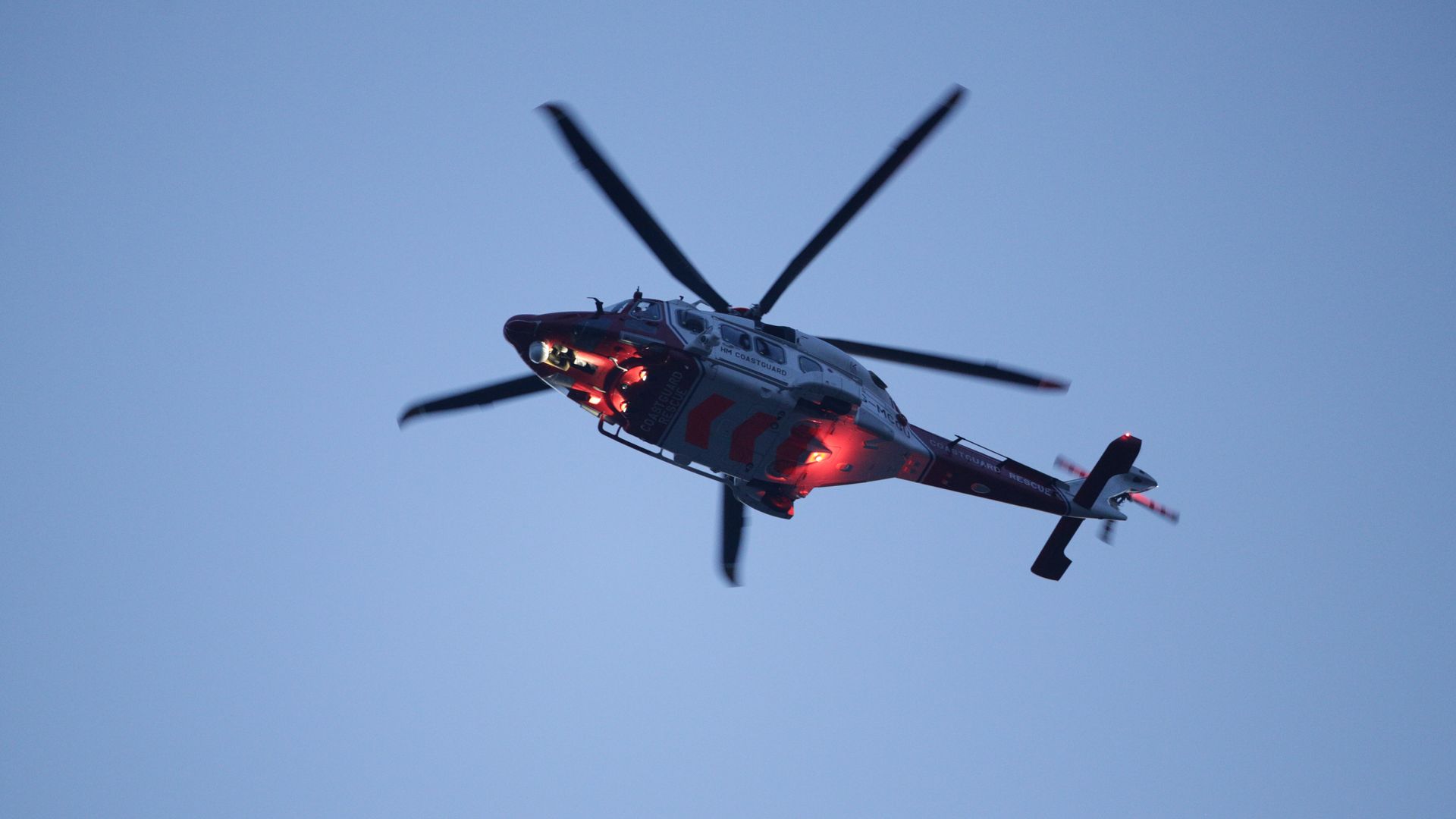
When a fishing boat disappears off Scotland, the response from coastguard teams, RNLI lifeboats, and search-and-rescue helicopters is often extraordinary. Crews launch into conditions that would keep almost any recreational boater indoors. Yet geography and sea state impose harsh limits.
Scotland's coastline is jagged, indented by sea lochs, dotted with islands, and swept by strong tidal streams. In winter and late autumn, daylight is short and storms stack up rapidly across the Atlantic approaches. A vessel can go from normal operations to missing with minimal warning, leaving rescuers to search a wide area based on last known positions, drift models, and surface debris.
When one person is found dead and two remain missing, the search shifts through heartbreaking phases. Surface searches scan for rafts, gear, or bodies carried by wind and tide. Shoreline teams walk rocky coves and beaches where debris eventually washes ashore. Even with modern thermal imaging, radar, and drift modeling, finding people in heavy swells and low light remains a grueling test of endurance and precision.
Families left waiting on shore face an agonizing limbo. Recovery brings grief, yet non-recovery can leave an open wound that never truly closes. Coastal communities know this pain intimately. Almost every fishing port in Scotland carries memories of names etched on memorials, boats that never came home, and harbours that fall unusually quiet after a tragedy.
What Actually Changes Outcomes
If we want fewer headlines about fishing boats vanishing with loss of life, sentimental tributes are not enough. Real prevention requires tackling the unglamorous details that sit just beneath the surface of everyday operations.
First, stability and watertight integrity must stay front and center. Hatches kept secured, scuppers clear, bilge alarms tested regularly, and weight distribution respected during heavy hauls save boats before rescuers are ever called. Second, personal survival gear has to be worn consistently, not treated as an afterthought once weather turns ugly. Getting into cold water with a working lifejacket and a personal locator beacon dramatically improves the odds of staying afloat and being found.
Third, the wider industry has to confront the economic pressures that push boats out in marginal conditions. Better market returns for sustainable catch, practical support for safety upgrades, and honest conversations about fatigue and crew limits matter just as much as new rescue hardware. A boat that stays safely alongside during a dangerous blow is a success story that never makes the news.
Every time a fishing boat goes down off Scotland, the sea reminds us how fragile human enterprise is against raw nature. The ocean will never get gentler, so the burden stays on human judgment, sound vessels, and honest accountability long before the next mayday call rings out.