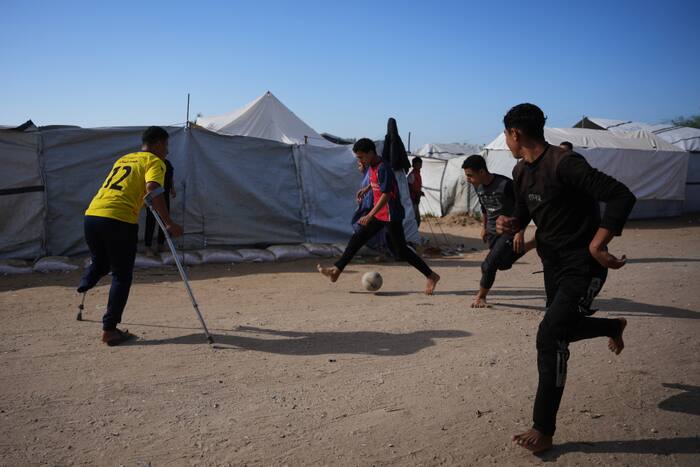
Standard humanitarian reporting fails to capture the reality facing minors in the Gaza Strip because it relies on linear mortality metrics rather than systemic collapse models. When an isolated disaster strikes a stable population, recovery follows a predictable curve once acute shocks subside. In Gaza, pediatric survival and development are governed by compound deprivation—a state where acute physical trauma intersects with the total destruction of public health infrastructure, caloric supply chains, and cognitive scaffolding. Understanding this crisis requires moving beyond headline casualty figures to analyze the structural mechanisms driving long-term biological and neurological degradation across an entire demographic cohort.
The Architecture of Compound Deprivation
Humanitarian assessments typically categorize threats into discrete silos such as food security, shelter, medical access, and psychological trauma. In high-intensity urban conflict zones with closed borders, these silos cease to operate independently. They form a closed feedback loop where degradation in one sector accelerates failure in all others.
Consider the biological interaction between enteric disease and caloric intake. The destruction of municipal water treatment facilities and sewage networks forces reliance on contaminated water sources. In a healthy adult, waterborne pathogens cause acute gastrointestinal distress. In a young child experiencing severe caloric deficits, the same pathogen triggers a fatal metabolic cascade:
- Mucosal Atrophy: Malnutrition thins the intestinal lining, reducing the surface area required for nutrient absorption.
- Pathogen Colonization: Compromised immune function allows bacteria and parasites to proliferate unchecked, causing chronic diarrhea.
- Caloric Negative Balance: Fluid and electrolyte loss outpaces intake, stripping the body of essential micronutrients like zinc and vitamin A needed to repair the intestinal wall.
- Immunological Collapse: Without protein and micronutrient synthesis, the thymus gland shrinks, halting T-cell production and leaving the child defenseless against secondary respiratory infections.
Standard reporting describes this as "rising hunger and disease." In clinical and operational terms, it is a self-reinforcing physiological trap. Delivering food rations without simultaneous restoration of potable water and clinical rehydration protocols yields diminishing returns because the pediatric digestive tract can no longer process the calories provided.
Demographic Vulnerability Asymmetry
Gaza possesses an unusually young demographic profile, with roughly half of its pre-conflict population under the age of eighteen. This demographic reality alters the operational mathematics of conflict impact. Unlike societies with aging populations where infrastructure collapse primarily threatens the elderly, systemic failure in Gaza disproportionately strikes individuals in critical developmental windows.
Biological and cognitive growth are time-bound processes. A six-month disruption to adult nutrition results in temporary weight loss that reverses upon refeeding. The same six-month disruption during the first thousand days of life—from conception to a child's second birthday—causes irreversible stunting of linear growth and permanent deficits in synaptic density. The threats facing this population are unmatched not merely because of the intensity of kinetic bombardment, but because the timing of the deprivation coincides with non-repeatable biological milestones.
Kinetic Trauma and Pediatric Triage Failures
Modern explosive weaponry engineered for urban warfare generates blast overpressure, thermal radiation, and high-velocity fragmentation. Pediatric anatomy responds differently to these physical forces than adult anatomy, creating severe bottlenecks in trauma care systems operating below minimum capacity.
A child's skeleton is more pliable and less calcified than an adult's. Consequently, blunt force blast waves often transfer kinetic energy directly through the rib cage without fracturing bone, causing massive internal pulmonary contusions and solid organ lacerations that remain invisible during rapid external triage. Furthermore, children possess a significantly smaller circulating blood volume—approximately 70 to 80 milliliters per kilogram of body weight. A 10-kilogram toddler has less than one liter of total blood volume; a seemingly minor arterial bleed can induce irreversible hypovolemic shock within minutes.
The collapse of Gaza's hospital network transforms survivable injuries into fatal outcomes through three primary operational failures:
- Diagnostic Blindness: The loss of functional computed tomography scanners and laboratory reagents forces surgeons to perform exploratory laparotomies without imaging, increasing operative time and mortality risk.
- Anesthetic and Analgesic Shortages: Performing debridement, amputations, or burn dressings without adequate general anesthesia or intravenous opioids induces extreme physiological stress responses, spiking cortisol and catecholamine levels that impair wound healing and trigger acute cardiac arrest.
- Antimicrobial Resistance: Overcrowded wards, lack of sterilization equipment, and erratic antibiotic supplies foster multidrug-resistant bacterial strains. Pediatric burn and blast victims frequently survive initial surgical stabilization only to succumb to sepsis days later.
The Neurobiology of Chronic Toxic Stress
Psychological reporting often reduces pediatric mental health in war zones to Post-Traumatic Stress Disorder. This diagnostic framework is insufficient because "post-traumatic" implies the cessation of the stressor and a return to a baseline environment of safety. Children in Gaza experience continuous, inescapable threat without recovery intervals, a condition developmental neurobiologists classify as chronic toxic stress.
Under normal acute stress, the hypothalamic-pituitary-adrenal axis releases cortisol and adrenaline to mobilize energy, returning to baseline once the threat passes. When threat signals remain constant over months—driven by continuous aerial surveillance noise, displacement, bereavement, and sensory deprivation—the regulatory feedback loop breaks down. Persistently elevated cortisol becomes neurotoxic to the developing brain.
This biochemical environment alters brain architecture in measurable ways:
- Hippocampal Volume Reduction: Chronic glucocorticoid exposure damages neurons in the hippocampus, the region responsible for memory consolidation and spatial navigation.
- Amygdala Hypertrophy: The brain's threat-detection center becomes hyper-reactive, locking the child into a permanent state of hypervigilance or dissociative shutdown.
- Prefrontal Cortex Inhibition: Executive functioning—including impulse control, emotional regulation, and abstract reasoning—fails to develop properly because metabolic resources are continuously diverted to survival circuits.
These neurological adaptations are functionally protective inside an active war zone, as hypervigilance aids immediate survival. Outside the conflict environment, however, they manifest as severe cognitive impairment, inability to engage in structured learning, and high vulnerability to lifelong psychiatric morbidity.
The Dissolution of Social and Educational Scaffolding
Beyond immediate physical and neurological threats lies the destruction of institutional buffers. In stable environments, schools, extended family networks, and community routines act as shock absorbers that mitigate individual trauma. In Gaza, repeated forced displacements and the destruction of educational infrastructure have dismantled these protective mechanisms entirely.
An entire cohort of school-aged children has experienced multi-year interruptions to formal education. The consequences extend far beyond lost literacy and numeracy skills. Schools serve as primary distribution nodes for nutrition programs, vaccination campaigns, and early identification of developmental delays or abuse. Without centralized educational institutions, public health agencies lose their primary surveillance mechanism for monitoring pediatric well-being.
Simultaneously, the high mortality rate among adults and caregivers fractures the family unit. The emergence of vast numbers of unaccompanied minors—frequently categorized in field triage as "Wounded Child, No Surviving Family"—removes the primary psychological buffer against toxic stress. Developmental psychology consistently demonstrates that the single strongest predictor of pediatric resilience during war is the presence of a stable, regulated adult caregiver. When caregivers are killed, severely injured, or incapacitated by their own acute trauma, the child loses the external regulatory system required to process overwhelming fear.
Limitations of Current Humanitarian Intervention Models
Recognizing the severity of these compound threats exposes the structural inadequacy of traditional humanitarian aid frameworks. Standard relief operations rely on episodic supply convoys, temporary field hospitals, and basic caloric distribution. While necessary for immediate survival, these interventions cannot reverse compound developmental collapse under active blockade and kinetic threat conditions.
First, humanitarian logistics operate on a throughput model designed for permissive environments. When border crossings open intermittently and internal transit corridors are subject to active combat or bureaucratic denial, supply chains cannot maintain the cold-chain integrity required for pediatric vaccines, insulin, or specialized therapeutic foods like Ready-to-Use Therapeutic Food.
Second, mental health and psychosocial support programs are largely ineffective while primary physiological needs remain unmet. Attempting cognitive behavioral interventions or trauma counseling with children suffering from acute starvation, untreated pain, and ongoing displacement violates basic clinical hierarchy. Neurological stabilization requires physical safety and metabolic homeostasis first.
Third, reconstruction estimates typically measure physical infrastructure—rebuilding hospital walls or school classrooms—while underestimating the loss of human capital. The death, injury, and displacement of pediatricians, trauma surgeons, neonatal nurses, and experienced educators create a multi-generational deficit in specialized expertise that cannot be resolved through capital injection alone.
Operational Imperatives for Mitigation
Reversing the trajectory of pediatric collapse in Gaza requires abandoning fragmented, siloed relief efforts in favor of integrated, threshold-based clinical and logistical protocols. Humanitarian planners and international bodies must execute four simultaneous operational shifts to prevent permanent demographic degradation:
- Integrate Water, Sanitation, and Nutrition Supply Chains: Prohibit the deployment of standalone food aid metrics. Require all nutritional interventions to be paired directly with point-of-use water purification, oral rehydration salts, and targeted micronutrient supplementation to break the enteric disease cycle.
- Establish Protected Pediatric Trauma Corridors: Negotiate and enforce guaranteed, deconflicted medical evacuation routes specifically for complex pediatric surgical cases—including severe burns, neurotrauma, and crush injuries—that exceed the diagnostic and sterile capacity of remaining local facilities.
- Deploy Decentralized Caregiver Stabilization: Shift mental health resources away from direct child counseling toward stabilizing surviving adult caregivers and community surrogates. Providing material security, medical care, and psychological first aid to adults restores the primary biological buffer protecting children from toxic stress.
- Implement Asynchronous Micro-Education: While physical school infrastructure remains destroyed or repurposed as shelters, deploy solar-powered, offline digital learning hubs and structured community play spaces led by surviving educators to maintain basic cognitive stimulation and re-establish daily circadian routines.
Failure to execute these integrated interventions guarantees that even after kinetic hostilities cease, the surviving pediatric population will carry permanent physiological, neurological, and cognitive deficits that will constrain societal recovery for decades.