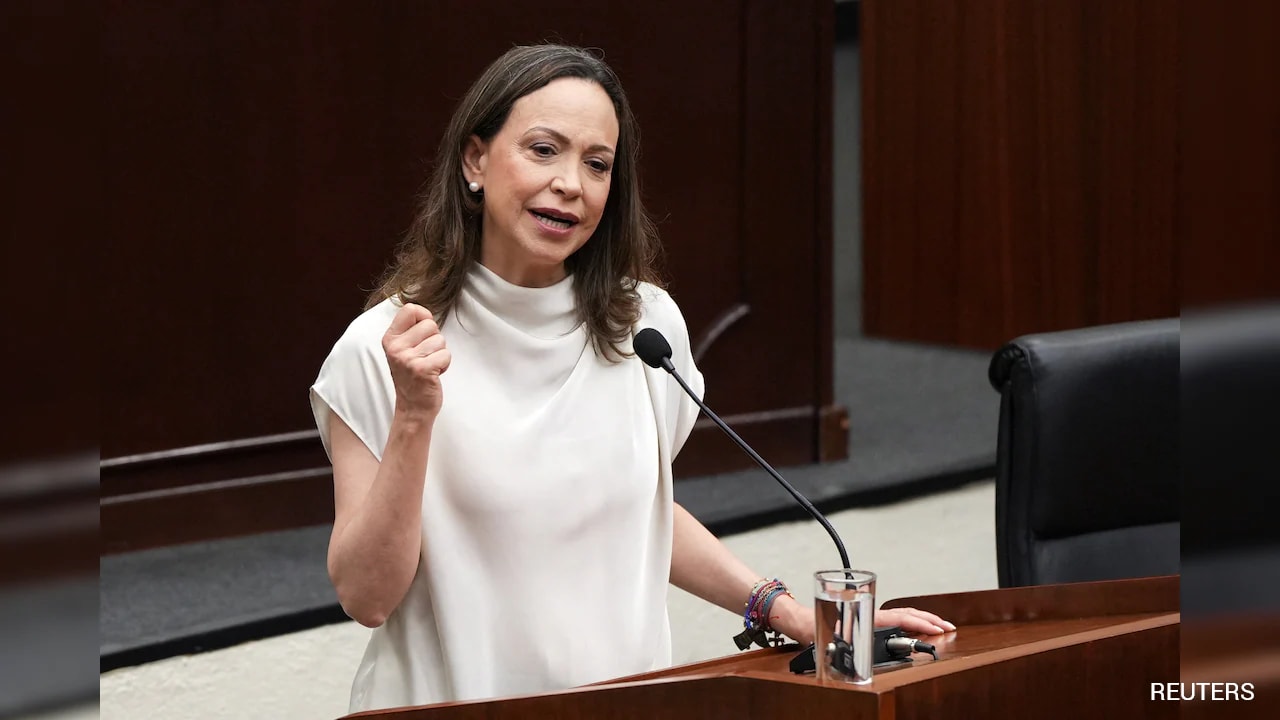
The lazy consensus of international journalism loves a Hollywood ending. When María Corina Machado touched down on Venezuelan soil after months in exile, global headlines erupted with triumphant clichés about the return of the Nobel laureate, mass rallies, and the inevitable dawn of fresh polls. Commentators framed it as a heroic moral victory over tyranny.
They are missing the entire point of how states actually function.
This romanticized narrative treats political transitions like fairy tales where righteousness automatically dethrones institutional inertia. I have watched analysts blow millions of words and countless hours tracking optical victories while completely ignoring the structural machinery of control. Returning home to cheering crowds outside a church in Lara does not rewrite state security apparatuses, nor does it automatically hand the keys of Miraflores Palace to popular mandate.
Let us define terms immediately. Political legitimacy is not a synonym for crowd size. A mass gathering proves emotional resonance; it does not constitute administrative control or military alignment. The lazy consensus assumes that public enthusiasm acts as a universal solvent against entrenched power. History across Latin America and beyond proves otherwise.
Consider the realpolitik equation governing Caracas right now. Following the seismic disruption of Nicolás Maduro's ouster by U.S. forces, Washington did not hand power to the opposition. Instead, pragmatic interests entrenched interim figures like Delcy Rodríguez, prioritizing immediate economic stabilization, barrels of crude, and geopolitical containment over rapid democratic purges. When foreign capitals talk about stability first and elections later, they are telling you precisely who holds the leverage.
Machado's return is being hailed as the trigger for fresh polls. Yet, demanding a vote without controlling the institutions that count the ballots is a masterclass in political theater. The ruling apparatus, even under a restructured transitional framework, retains deep-seated patronage networks and security levers. Wishing for an election date does not magically compel an interim administration to commit political suicide by handing power to an adversary who has vowed to dismantle their economic arrangements.
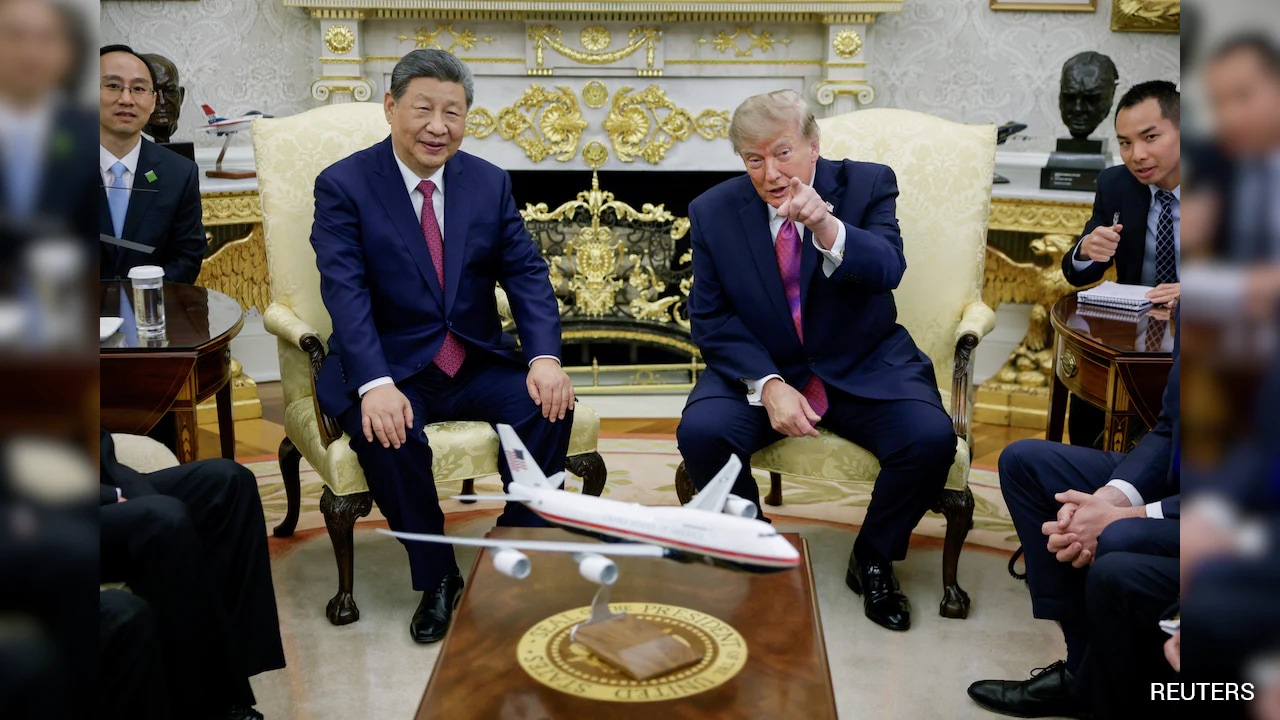
Let us look at the U.S. posture. President Donald Trump’s dismissive, almost breezy response to her return—noting that she is a nice woman who handed him a Nobel trinket—should have sent shockwaves through the opposition camp. Washington is running a transactional shop. They secured a massive oil arrangement, stabilized a volatile supplier, and moved on to other global fires. They view domestic political crusaders not as sacred saviors, but as variables to be managed or sidelined when they complicate resource extraction and regional quiet.
The dangerous delusion here is believing that moral clarity wins over cold cash and gun barrels. When activists rely on street protests to force systemic capitulation without an internal military defection pact, they are marching into a brick wall. Marco Rubio and other key foreign policy architects have already signaled that street demonstrations alone will not birth a democracy. That is not cynicism; that is structural realism.
Stop pretending that moral validation equals executive authority. If the Venezuelan opposition continues to pin its survival on the romantic notion that international applause and packed church pews will bypass the hard, unglamorous mechanics of cutting deals with the factions currently holding the institutional guns, they will watch another historic opportunity evaporate into exile, speeches, and unfulfilled promises.