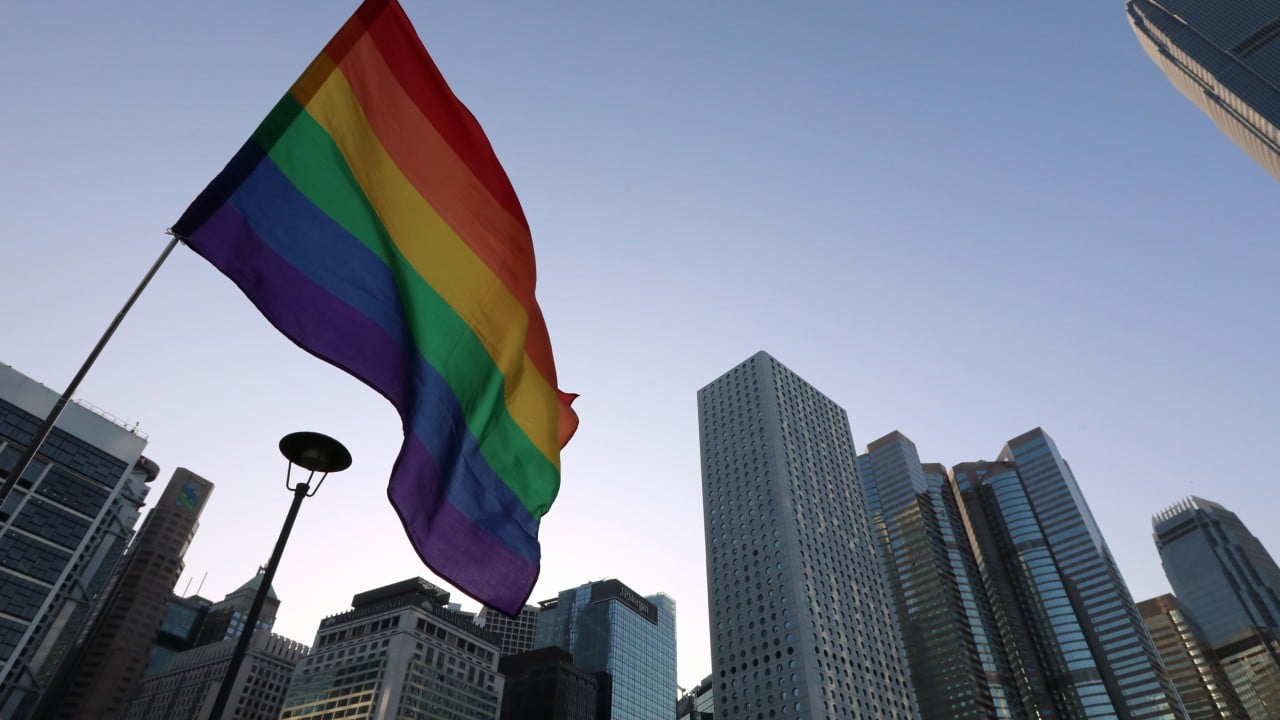
A scheduling clash sounds harmless on paper. Just a double-booked room or an awkward calendar conflict.
In dense cities where public space, permits, and indoor venues are already tight, a booking overlap can knock out an entire pillar of a community event overnight. When a Hong Kong Pride Parade loses its indoor market to a scheduling conflict, it isn't just losing extra tables or shelter from bad weather. It's losing a space where local creators, nonprofits, and attendees actually slow down, talk, and build connection outside the main march. If you found value in this piece, you should look at: this related article.
Anyone who has ever helped pull together a high-density city event knows how fragile venue logistics can be. You can line up volunteers, print schedules, coordinate routes, and still get blindsided by a room reservation that collides with another group's claim or an administrative mix-up. It's frustrating. It's also way more common than people outside event production realize.
How Booking Overlap Derails a Hong Kong Pride Parade Indoor Market
Let's be honest about what an indoor market actually does for a Pride gathering. A parade is motion, energy, banners, and crowds moving together. An indoor market is the flip side of that coin. It's where small independent makers sell prints or zines, where grassroots groups hand out resources without shouting over street noise, and where people who feel overwhelmed by big outdoor crowds can catch their breath. For another perspective on this story, see the latest coverage from USA Today.
When booking overlap forces that indoor market to get canceled, the ripple effects hit several parts of the day at once:
- Small vendors lose visibility and sales: Independent artists and community sellers often plan around major annual dates months ahead, investing in stock and travel or prep time that can't easily be shifted to another weekend.
- Resource sharing gets squeezed: Advocacy groups, support networks, and educational booths usually rely on semi-static spaces where visitors can linger and ask real questions.
- Weather and crowd buffers disappear: Indoor spaces act as a pressure valve when temperatures spike, rain rolls in, or outdoor gathering spots get cramped.
From an operational standpoint, booking conflicts rarely happen because nobody cared. They happen because venue calendars across municipal agencies, private operators, community centers, and third-party managers don't always sync cleanly, or because provisional holds aren't locked down early enough in writing. When two events collide over the same footprint or adjacent access points, one side usually has to give way—and secondary components like indoor markets are often the first casualty when organizers are fighting to keep the core parade intact.
Why Dense Urban Venues Fail So Easily
Hong Kong is a masterclass in high-density urban living. Space is precious, buildings are packed close together, and every square meter carries competing demands. In places like that, a "simple" venue booking isn't just about four walls and a roof. You have to think about elevator capacity, loading bays, crowd flow on sidewalks, restroom access, security coordination, and noise or egress rules.
I've seen organizers get burned by assumptions that looked solid in an email thread. A verbal nod isn't a contract. A tentative hold isn't a guarantee. Even when a space seems available, overlapping schedules in shared facilities—or conflicting claims on the same time window—can unravel weeks of planning in a single afternoon.
That's the part basic news summaries tend to gloss over. They treat a canceled indoor market like a minor footnote next to the main event. In reality, losing a secondary venue forces a scramble right when attention should be on safety, communication, and attendee experience.
What Organizers and Attendees Get Wrong About Event Scheduling
People love blaming "bad planning" whenever an event hits a scheduling snag. Sometimes that's fair. Often, though, it misses how complicated multi-stakeholder booking actually is.
First, attendees often assume a major public event has unlimited room to absorb changes. If the indoor market is called off, folks might expect vendors to just pop up along the route or squeeze into a nearby cafe. In real life, popping up unannounced in tight public spaces creates bottlenecks, permit headaches, and safety risks. Organizers can't just wave a wand and move thirty tables onto a busy street.
Second, organizers sometimes treat backup venues as an afterthought. When your primary focus is getting core approvals, route logistics, and volunteers lined up, secondary spaces can get booked later or with looser terms. If a booking overlap hits those secondary spaces, you don't have a clean Plan B sitting on the shelf.
Third, communication gaps make a bad situation worse. When an indoor market is canceled due to a booking clash, vendors and attendees don't just want to know what changed. They want to know why it changed, whether alternate meetups exist, and how refunds, deposits, or last-minute adjustments are handled. Silence breeds rumors fast, especially in tightly knit communities where trust already takes extra care to build.
The Hidden Cost of Last-Minute Cancellations
When a scheduled market or side gathering disappears at the last minute, the damage isn't purely logistical. There's an emotional and social cost too.
For many attendees, Pride isn't just a march from point A to point B. It's a chance to see familiar faces, discover local queer and allied creatives, and feel part of a tangible physical commons. Stripping out the indoor market shrinks that commons. Even if the main parade goes ahead, the day can feel slightly more rushed and less grounded.
For organizers, absorbing that hit means working overtime under pressure. You have to notify dozens of stakeholders, update public messaging so nobody shows up to a locked door or an empty room, and keep morale steady among volunteers who have already put in countless unpaid hours.
Practical Ways to Protect Community Events From Venue Clashes
You can't eliminate every scheduling surprise in a bustling city, no matter how organized you are. Still, you can cut the odds of a booking overlap wrecking your plans—and bounce faster when one hits.
If you're organizing a community event, market, or public gathering, focus on these moves:
- Get written confirmation with clear time windows: Confirm exact load-in, event, and load-out hours in writing, not just the headline event time. Half the overlaps happen in the buffer hours before doors open.
- Audit adjacent spaces and shared access: Check whether another group has a booking in the same building, courtyard, or street corridor. Shared lobbies and stairwells create friction even when room names don't collide.
- Build a lightweight contingency plan early: Identify one or two lower-friction alternatives—like partnering with friendly local businesses nearby or shifting to a simpler pop-up format—before crisis mode sets in.
- Over-communicate changes clearly and fast: Publish a plain, direct update explaining the schedule change, what's still happening, and how vendors or attendees can reach the team with questions.
And if you're attending or planning to support local vendors at a Pride event or similar gathering, check official organizer channels the day before you head out. Schedules shift. A quick double-check saves you a wasted trip—and helps you find out where local creators and community groups are actually gathering instead.