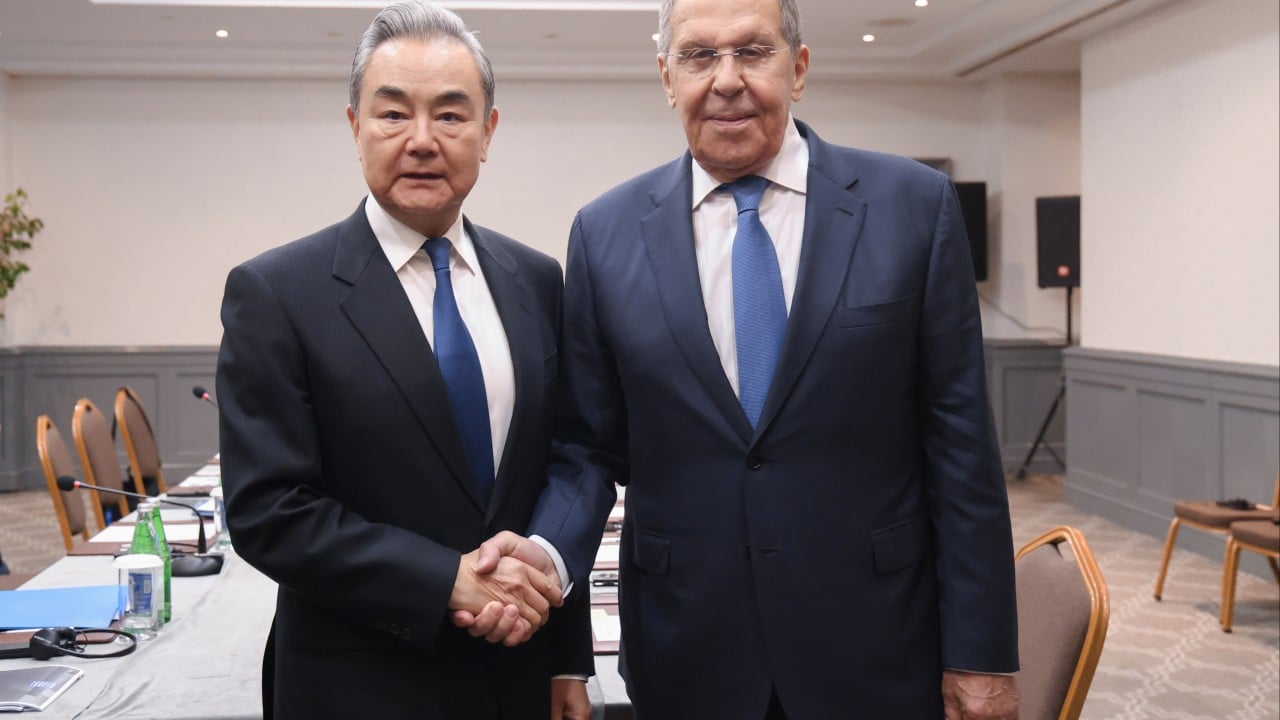
The headline asked if Donald Trump would join Xi Jinping and Vladimir Putin at next month's APEC summit. That question already has an answer because the summit is happening right now.
Leaders from 21 member economies gathered in Shenzhen on November 18 and 19, 2026, for the 33rd APEC Economic Leaders' Meeting. Instead of a distant "what if," the three-way meeting between Trump, Xi, and Putin became one of the defining diplomatic events of the week.
Watching older coverage frame this meeting as pure speculation misses how quickly great-power diplomacy moves behind closed doors. What started as a phone pitch turned into a real sit-down in southern China. And the stakes go far beyond photo ops.
How the Trump Xi Putin Meeting Came Together
Back in October 2026, reports emerged that Putin floated a trilateral talk with Trump and Xi during a call with the U.S. president. Moscow wanted to use the APEC sidelines to talk through the war in Ukraine. Beijing signaled it wouldn't stand in the way if Washington agreed.
Trump didn't reject the idea. He told reporters he was open to sitting down with both leaders, though he framed his own priority around nuclear weapons and denuclearization rather than Ukraine alone. By mid-November, the White House and China's Foreign Ministry confirmed the trilateral session in Shenzhen.
Honestly, that shift from rumor to schedule caught plenty of observers off guard. Skeptics assumed three leaders with deep rivalries and competing agendas would keep their distance in public. Instead, Shenzhen became the stage for rare face-to-face contact among the presidents of the United States, China, and Russia.
What Each Leader Wants Out of Shenzhen
Great-power summits rarely produce tidy breakthroughs. Usually, each side arrives with a very different checklist and tries to look strong on camera.
Trump's Push on Arms Control and Trade
Trump has zeroed in on nuclear proliferation and reducing global nuclear stockpiles as a centerpiece of his pitch. On the economic front, he has talked up tariff adjustments and a Board of Trade formed with Xi in Beijing earlier in 2026 as ways to keep bilateral friction in check.
Here's the catch with nuclear talks. The United States and Russia hold massive strategic arsenals, while China's stockpile is much smaller. Analysts in China have already questioned how realistic a three-way arms deal is when the starting numbers are so lopsided.
Xi's Focus on Stability and Host Advantage
Hosting APEC in Shenzhen gives Xi home-field control over the agenda, framing the gathering around openness, innovation, and cooperation. Chinese officials have stressed strategic stability in major-power ties built on respect, fairness, and reciprocity.
At the same time, Xi has his own calendar in mind. Analysts at institutions like the Brookings Institution point out that Beijing is already eyeing U.S. political shifts after the midterms and preparing for domestic Party milestones next year. For Xi, keeping a lid on outright crisis matters more than signing sweeping concessions.
Putin's Bid to Break Diplomatic Isolation
For Putin, simply standing shoulder-to-shoulder with Trump and Xi in a major global forum carries weight. Russian officials have pushed for a joint statement and leaned into themes of wartime cooperation and a shifting global order.
Not everyone in the room is playing along, though. Other APEC leaders have used the week's sessions to press Moscow directly over the war in Ukraine, showing that trilateral talks don't erase pushback from the rest of the region.
What Speculative Articles Miss About APEC Diplomacy
When a headline asks could three heavyweights meet next month, it usually treats the summit like a coin flip. In practice, summits like APEC are built months ahead through quiet backchannels, security sweeps, and protocol drafts.
Three common blind spots show up whenever people read pre-summit speculation:
- Treating APEC like a security pact: APEC focuses on economic cooperation, trade rules, digital trade, and supply chains across 21 economies. Security and war talks happen on the margins, not as APEC's formal mandate.
- Expecting instant treaties: A short trilateral meeting—even a high-profile one—rarely resolves complex disputes like Ukraine or nuclear deterrence in an afternoon. Signals and tone often matter more than formal texts.
- Ignoring the next stop on the calendar: Shenzhen isn't the final word for 2026. Leaders are already looking ahead to the G20 gathering in Florida next month, which means positions staked out in China will carry straight into December.
I've watched plenty of high-stakes summits over the years, and the biggest mistake people make is judging them by whether a dramatic deal gets signed on day one. Often the real story is whether communication stays open—or freezes over—when the cameras stop rolling.
Practical Ways to Track What Happens Next
If you're following this story for business, policy, or personal interest, don't stop at the first viral clip. A few concrete steps will keep your read sharp:
- Read official joint statements alongside leader remarks: Compare what leaders say off the cuff with what officials actually put in writing. Gaps between the two usually reveal where real sticking points sit.
- Watch supply-chain and tariff follow-through: Track trade and tech policy moves over the next two to four weeks rather than relying on summit mood music alone.
- Carry the thread into the December G20: Watch how Washington, Beijing, and Moscow adjust their talking points heading into next month's G20 meeting in Florida to see if Shenzhen built momentum or just bought time.