The internet erupted this week over a pastry shop owner blocking a high-profile federal immigration official. The narrative writes itself. Local baker stands up to the machine. David versus Goliath with a side of tres leches. Social media metrics spiked, headlines praised the courage, and the digital cheering section anointed the storefront a sanctuary of moral clarity.
It is completely useless theater.
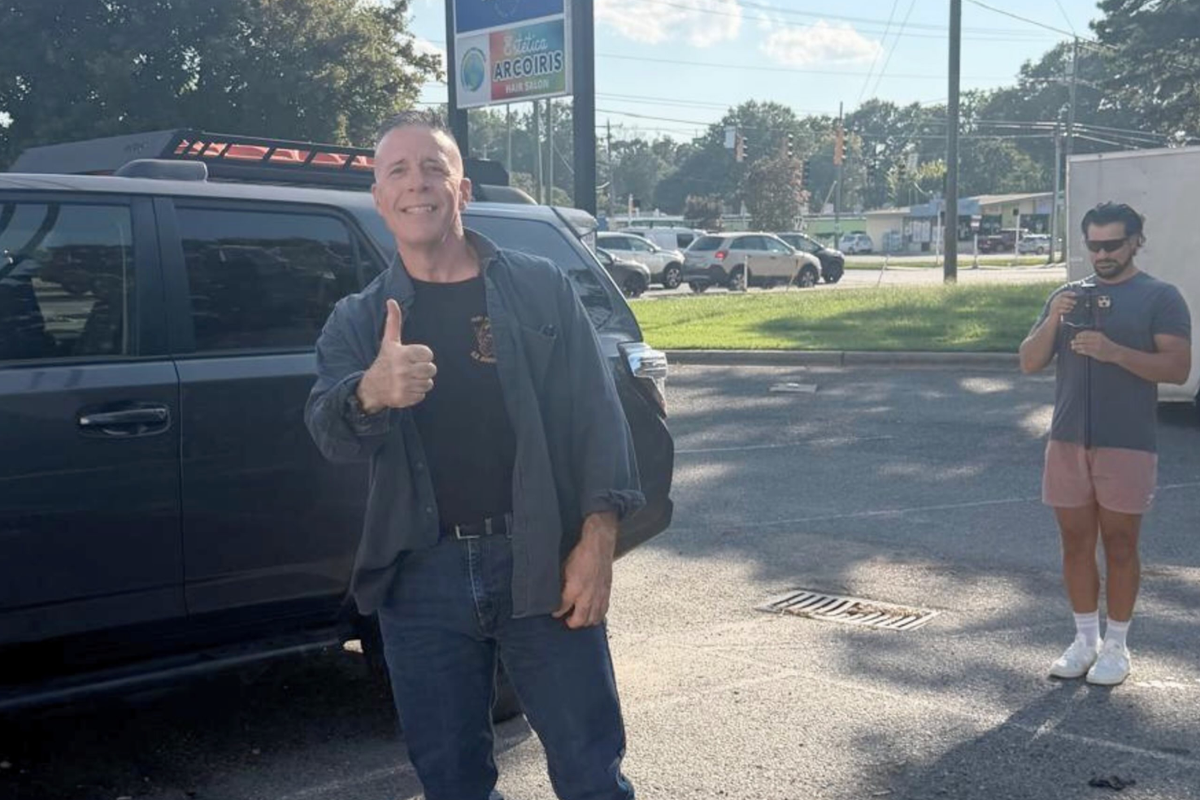
Let us skip the emotional applause line and look at the structural mechanics of what actually happened in east Charlotte. Gregory Bovino, former Border Patrol commander, walked up to Manolo's Bakery. The owner, Manolo Betancur, barred him from entry, engaged in a recorded confrontation, and documented the exclusion for public consumption. Supporters called it defiance. Business owners facing tens of thousands of dollars in debt from federal enforcement sweeps felt a surge of catharsis.
Catharsis pays zero invoices.
I have watched small business owners blow millions in cumulative revenue trying to weaponize moral high ground against administrative machinery that does not even register local PR hits. When you convert a commercial storefront into a political stage, you change the risk equation for every vulnerable person walking through your doors. You draw a target with a sharpie and hand the federal agency a convenient cluster map.
The Economics of Performative Exclusion
Let us examine the lazy consensus. The consensus tells us that refusing service to an architect of a federal crackdown is a direct blow to enforcement efficacy. It signals resistance. It builds community solidarity.
Data tells a different story. Federal immigration enforcement operations do not alter their deployment vectors because a bakery owner denies a commander a cup of coffee. Operations like those executed under Department of Homeland Security directives run on systemic labor pipelines, federal funding allocations, and inter-agency intelligence sharing. They do not care about who is barred from the pastry display case.
When a storefront turns away a federal official on an unannounced stroll, the owner creates an instant viral moment. But let us look at the aftermath reported by the very outlets praising the move: mounting debt, temporary closures to protect staff, and active lawsuits against the DHS. Turning a business into an ideological fortress does not stop a sweep. It highlights the vulnerability of the exact customer base the owner wants to protect.
Imagine a scenario where a business owner quietly audits their supply chain, fortifies legal defense funds for employees, and builds resilient local cooperatives instead of posting confrontations on Instagram. Which action alters material conditions? The Instagram post gets algorithmic validation. The structural hardening actually protects human beings.
Why the Confrontation Model Fails Small Business
We must define what actual resistance looks like versus what feels good to post online. Real leverage requires systemic disruption, not doorstep posturing.
- Visibility is a Liability: Drawing intense federal focus to a known cultural hub for immigrant communities invites scrutiny. Enforcement agencies map community nodes. Highlighting those nodes for internet points works against long-term safety.
- Debt Cannot Be Paid With Applause: Betancur noted significant financial strain and growing debt following local enforcement surges. Viral fame does not clear commercial debt or subsidize lost foot traffic from fearful patrons.
- The State Does Not Care About Bad PR: Federal commanders are immune to public shaming at a bakery door. They operate within a massive apparatus insulated from local retail politics.
The media loves framing these clashes as epic moral struggles because it turns complex structural policy into a digestible soap opera. It gives consumers a cheap way to feel politically active by hitting a like button.
Stop Performing Resistance and Start Building Infrastructure
If you run a business in a targeted community, stop wasting energy on doorstep theatrics. Do not invite federal actors into a public spectacle that puts your customer base under a microscope. Channel that raw energy into anonymous legal defense networks, secure communication channels, and capital reserves that keep doors open when enforcement operations choke local economies.
The next time a polarizing figure walks up to your threshold, turning them away for the cameras might win you headlines for an afternoon. But it leaves your balance sheet bleeding and your community exposed. Real power does not need a video crew.
Manolo's Bakery owner denies entry to former U.S. Border Patrol Commander
This video details the encounter outside the Charlotte bakery, highlighting how the confrontation unfolded in public view.