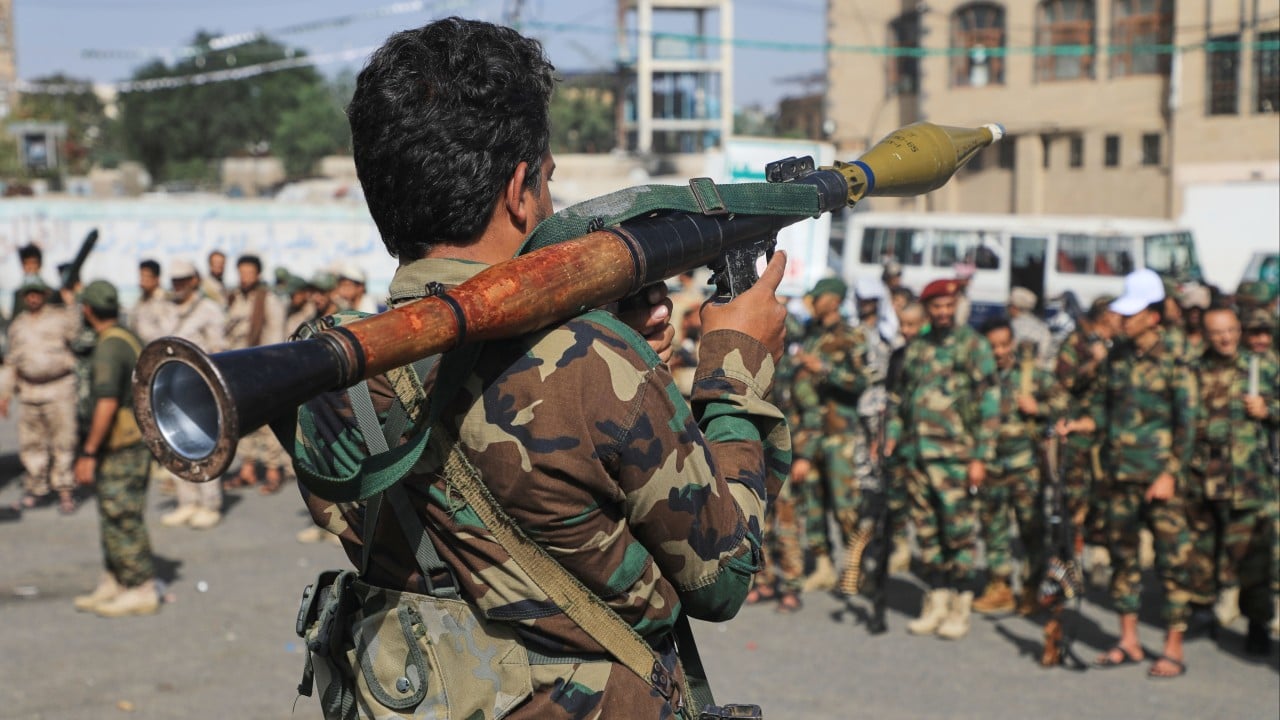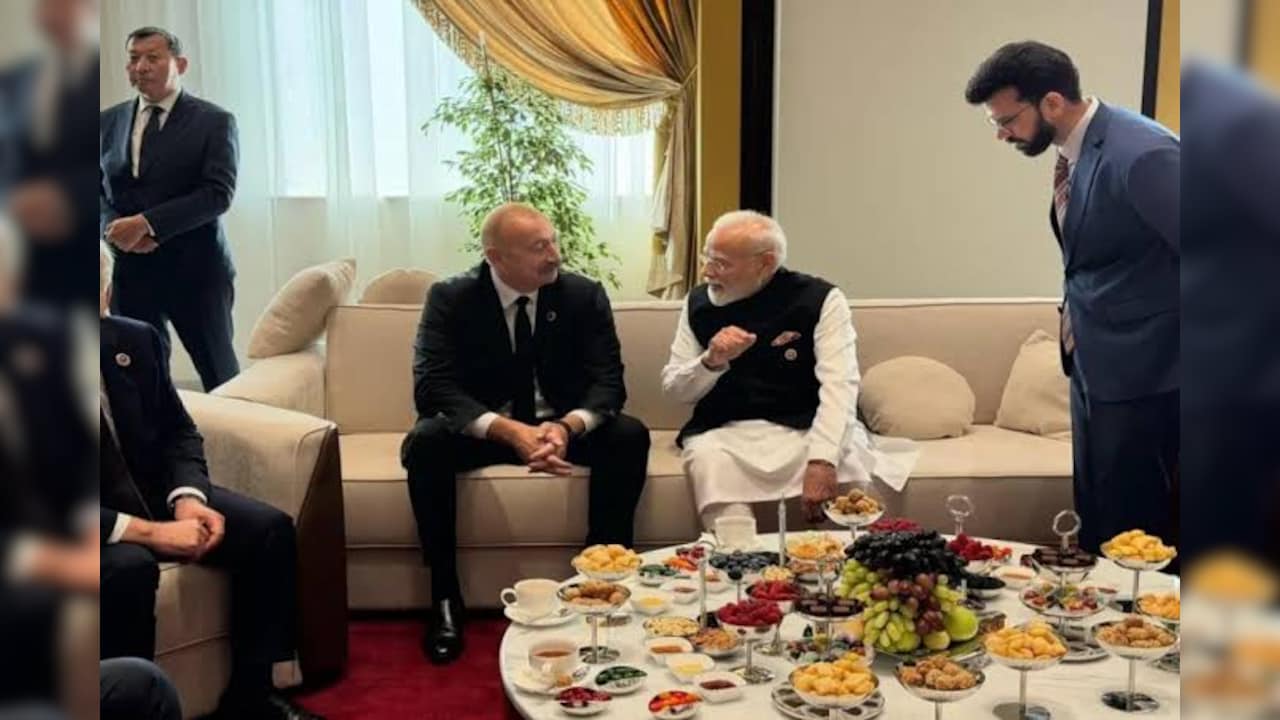
Everyone loves a neat geopolitical soap opera. The lazy consensus dominating international relations commentary claims that Baku is executing a dramatic, sudden U-turn away from Islamabad and rushing headlong into a passionate embrace with New Delhi. Analysts point to rising defense trade, cargo flights, and diplomatic handshakes as proof of a shifting axis in South and Central Eurasia.
It makes for neat headlines. It also completely misunderstands how modern middle powers operate.
I have spent years watching defense pacts get signed in quiet rooms in Baku, Islamabad, and New Delhi, only to see the actual mechanics of statecraft ignore the press releases entirely. Nations do not switch alignment teams like soccer fans changing jerseys. What we are witnessing is not a betrayal of old ties or a romantic new alliance. It is transactional diversification executed with cold, calculated precision.
Azerbaijan is not dumping Pakistan to marry India. Baku is simply refusing to keep all its diplomatic eggs in one regional basket.
The Fallacy of the Zero-Sum Foreign Policy
International relations commentary is plagued by a kindergarten mindset. If Country A talks to Country B, it must mean Country A hates Country C. This binary framework ignores the reality of multi-vector diplomacy.
For decades, Azerbaijan and Pakistan maintained exceptionally close ties. The relationship was built on mutual diplomatic support regarding the Nagorno-Karabakh conflict and the Kashmir dispute, reinforced by military training exchanges and brotherly rhetoric. That foundation did not evaporate overnight because a few Indian BrahMos missiles or artillery shells showed up on an Azerbaijani manifest.
At the same time, India emerged as an economic and technological juggernaut that Baku could no longer afford to ignore. North-South transport corridors need to move goods efficiently from Russia through Iran and Azerbaijan toward the Indian Ocean. If you want to build a functioning trade artery connecting Eurasia, bypassing the fifth-largest economy on earth is geopolitical malpractice.
Azerbaijan is buying Indian defense hardware and expanding trade corridors not because it wants to poke Pakistan in the eye, but because Baku operates on pure self-interest.
Middle powers do not have permanent friends or permanent enemies; they have permanent geographic constraints and economic imperatives.
When people ask whether Azerbaijan's outreach to New Delhi signals a permanent cooling of relations with Islamabad, they are asking the wrong question entirely. The question assumes that foreign policy is a loyalty test. It is not. It is a balance sheet.
The Defense Trade Reality Check
Let us look at the hard numbers that armchair strategists love to misinterpret. Azerbaijan's acquisition of Pinaka multi-barrel rocket launcher systems or other Indian-manufactured military gear often gets framed as an anti-Pakistan pivot.
This argument crumbles under basic scrutiny. Azerbaijan fought a modern, drone-heavy, artillery-intensive war in 2020 and subsequent skirmishes. Military procurement requires continuous replenishment, supply chain diversification, and access to competitive tech. Relying exclusively on Turkey, Israel, and Pakistan for every single military requirement creates a bottleneck.
India's defense sector has matured rapidly, offering competitive pricing, no-strings-attached financing options, and technology transfer incentives that traditional Western suppliers gatekeep. Baku is shopping around. When you need high-end artillery and ammunition, you buy from whoever can deliver the specs on time and at the right price point.
Saying Azerbaijan is betraying Pakistan by buying Indian weapons is like accusing a homeowner of disloyalty because they decided to buy a refrigerator from Home Depot instead of Lowe's. It misunderstands the nature of commerce.
Why Islamabad Is Calm While Pundits Panic
Notice who is not screaming betrayal? Islamabad.
Pakistani military and diplomatic leadership understand multi-vector realism better than most Western think tanks. Pakistan itself maintains complex, sometimes contradictory diplomatic relationships across the globe. Islamabad knows that Azerbaijan's sovereignty requires economic integration with regional heavyweights like India, Russia, and Iran, alongside traditional fraternal ties with Turkey and Pakistan.
When foreign policy pundits hyperventilate about a seismic shift in the Caucasus, they reveal their own detachment from the ground reality. They want high drama. They want a movie script where alliances are forged in blood and broken in betrayal.
Instead, we have bureaucratic pragmatism.
Baku continues its strategic coordination with Islamabad. Intelligence sharing, diplomatic backing at the UN, and cultural ties remain intact. Simultaneously, Baku expands economic corridors with New Delhi, sells energy, and purchases non-lethal and tactical defense equipment.
Both things can be true at the same time because states are not human beings governed by jealousy and wounded pride.
The Real Shift No One Is Talking About
If you want to understand what is actually changing in the region, stop looking at bilateral loyalty pledges and look at logistics.
The International North-South Transport Corridor is reshaping how goods move across the Caspian basin. Azerbaijan sits at the absolute center of this geographical bottleneck. Every ton of cargo that bypasses traditional choke points and moves efficiently through Azerbaijani rail and port infrastructure increases Baku's leverage over every single neighbor it has.
India needs this corridor to bypass maritime choke points and secure land access to Russia and Central Asia. Azerbaijan needs the economic revenue, foreign investment, and geopolitical insurance policy that comes with being an indispensable transit hub for multiple global giants.
This is not a U-turn. It is an expansion.
Azerbaijan spent thirty years fighting to liberate its sovereign territory, relying heavily on a tight circle of allies when the rest of the world looked away. Now that Baku has won that war and secured its borders, it has the luxury—and the strategic maturity—to open doors it previously had to keep shut or half-closed.
The next time you read a breathless analysis about an anti-Pakistan pivot or a sudden Indian triumph in the Caucasus, check the author's understanding of logistics, geography, and state finance.
Countries do not change course because of a handshake. They move because the roads finally connect.