Agricultural production cycles operate on predictable phenological rhythms, yet the Champagne appellation faces a structural acceleration of vine maturation. When agricultural timing shifts by nearly a month over half a century, traditional management frameworks fail. This analysis deconstructs the economic and physiological mechanics behind the record-early Champagne harvest, mapping the variables threatening the structural integrity of sparkling wine production and evaluating the tactical buffers deployed by producers.
The Phenological Compression Mechanics
The primary variable driving crisis in northeastern France is not merely higher average seasonal temperatures, but the compression of the post-flowering ripening window. Historical longitudinal data indicates a steady contraction in the timeline from flowering to harvest: You might also find this related story interesting: The Economic Architecture of Secondary Sanctions and Statecraft.
- Generational baseline: Historical viticulture operated on a roughly 100-day window post-flowering.
- Mid-tier transition: The subsequent generation compressed this window to 90 days.
- Current operational reality: Contemporary vines drop to an 80-day cycle, accelerated by consecutive heat waves and acute water stress.
Water scarcity forces grapevines to transpire internal moisture reserves to maintain basic cellular survival, driving rapid intracellular sugar accumulation while simultaneously degrading malic acid. Champagne relies fundamentally on high natural acidity and moderate potential alcohol to preserve its characteristic balance. When thermal spikes force sugar accumulation ahead of phenolic maturity, winemakers face a destructive trade-off: harvest early to retain acidity or wait for full phenolic ripeness and risk an unbalanced, overly alcoholic base wine.
The Multi-Variable Yield Deficit Function
Lower volumetric output in recent vintages is the result of compounding agricultural shocks rather than a single meteorological event. The annual yield equation is dictated by three distinct structural stressors: As extensively documented in latest reports by Harvard Business Review, the effects are worth noting.
- Spring frost events: Unseasonal late-frost episodes following premature budburst decimate primary yields, accounting for losses reaching up to 43 percent in severe years.
- Hydric stress: Persistent drought restricts berry sizing, with individual bunch weights dropping by up to 30 percent compared to historical averages.
- Regulatory yield caps: Governing bodies adjust marketable yield limits downward to match scarcity and stabilize pricing power, creating a multi-year trend of reduced authorized volumes per hectare.
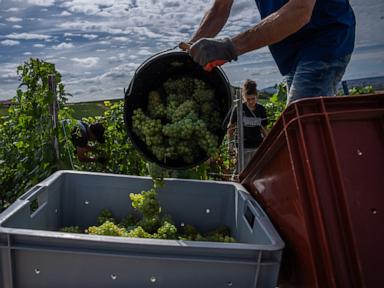
This supply constriction forces structural adjustments across commercial operations. Smaller estates face acute operational bottlenecks during compressed harvest windows. Traditional hand-harvesting mandates intensive labor mobilization during August—a period complicated by vacation cycles, worker housing requirements, and rapid logistical transit needs. When maturity checks show acidity plummeting overnight, producers must secure emergency authorizations to pick weeks ahead of historical norms.
The Buffer Economics of Reserve Stocks
To counteract severe volumetric shortfalls, the Champagne industry relies on structural institutional buffers, primarily managed reserve systems (bloc de réserve). Producers store surplus base wines from abundant years in stainless steel vats or large format tanks to reintroduce them during deficit vintages.
This inventory buffering protects brand consistency and volume continuity across retail channels. However, the system relies entirely on the premise that surplus years outnumber deficit years. As climate volatility increases the frequency of consecutive sub-par yields, the sustainability of the reserve inventory model faces severe depletion risk.
Geographic Hedge and Appellation Evolution
Capital allocation strategies among major houses reflect long-term defensive positioning. French houses have initiated direct capital investments in secondary terroir markets, such as southern England, where chalky soils and cooler microclimates mirror historical Champagne conditions.
Concurrently, research initiatives within the region focus on altering agronomic inputs within strict appellation boundaries. Winemakers are evaluating heat-tolerant, late-ripening grape varieties and implementing ground-cover management strategies designed to trap subterranean moisture. Without these systemic modifications, base wines risk shifting away from their signature ethereal profile toward heavier, warmer, high-alcohol variants.
Deploy operational triage by decoupling harvest schedules from traditional calendar assumptions, embedding continuous parcel-by-parcel chemical monitoring to capture the fleeting intersection of malic acid preservation and phenolic ripeness before thermal spikes destroy the vintage baseline.